Nigeria’s manufacturers are pressing for cheaper credit and a dedicated foreign-exchange window after the central bank cut its benchmark rate by 350 basis points, arguing the easing will only lift output if it is matched by lower lending costs and easier access to dollars for imported inputs.
Nigeria manufacturers seek cheaper credit and FX window
The Manufacturers Association of Nigeria said the move by the Central Bank of Nigeria should help firms finance inventories, raw materials, production cycles and expansion, but warned that the benefits will be limited if banks keep credit tight. It said the policy will also help pull down Treasury bill and OMO yields, easing the government’s debt-service burden.
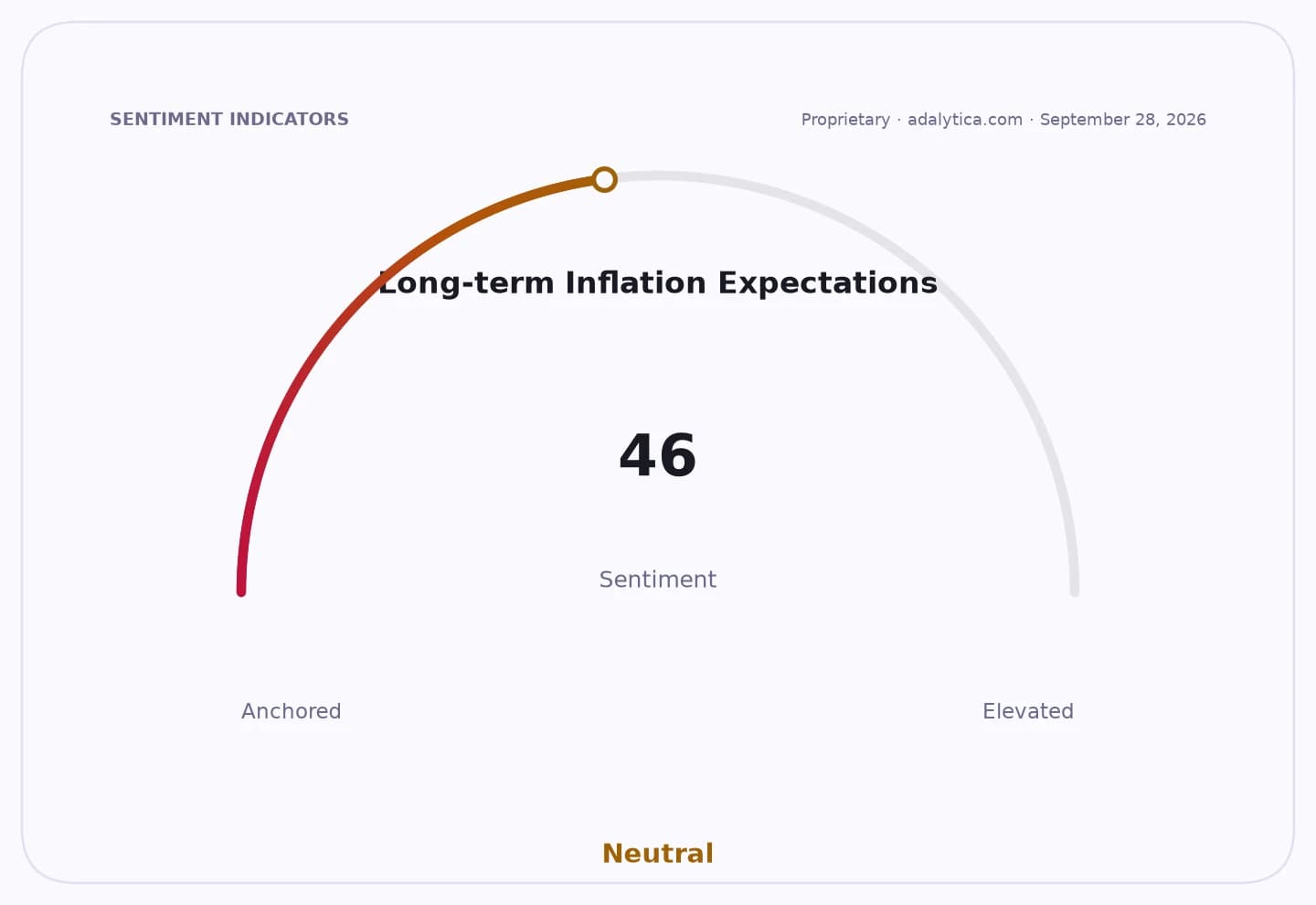
Sentiment IndicatorsⓘProprietary · adalytica.com · September 28, 2026
This is a snapshot — live sentiment, awareness and momentum for 130+ markets update continuously in the dashboard.Open AlphaPulse
MAN’s push matters because Nigerian industry remains heavily constrained by financing costs, foreign-exchange shortages and infrastructure bottlenecks that keep factory expenses high. A cut in the policy rate is intended to lower borrowing costs across the economy, but manufacturers say the transmission mechanism is weak unless deposit money banks actually reprice loans and the central bank relaxes other constraints on lending.
The association said retaining the cash reserve ratio at 45% will continue to tie up a large share of bank deposits, limiting credit to productive sectors even after the rate cut. It called for a progressive review of the reserve ratio, stronger coordination between monetary and fiscal authorities and closer work with banks so the policy easing feeds through to prime and maximum lending rates.
MAN also wants the government to use Nigeria’s higher external reserves to create a transparent FX window for manufacturers importing capital equipment and raw materials that are not available locally. For investors, that would reduce one of the biggest operational risks facing industrial companies: unpredictable access to foreign currency for production.
The group pressed for a revival of low-interest intervention schemes through the Bank of Industry and NIRSAL, including a faster rollout of the N1 trillion Manufacturing Stabilisation Fund at 9% interest, plus financing for small and medium-sized factories at 5%. It also urged action on electricity, logistics, roads and insecurity, saying cheaper money alone will not restore industrial competitiveness if structural costs stay elevated.
The key test now is whether the rate cut translates into actual loan repricing and more FX availability, or whether tight banking liquidity and operational bottlenecks keep manufacturers under pressure.
| Entity | Gains | Losses |
|---|---|---|
| Manufacturers | ▲Cheaper loans, easier FX access | ▼High funding costs |
| Banks | ▲Possible loan growth if lending expands | ▼Margin pressure from lower rates |
| Central bank | ▲Easier policy transmission if credit improves | ▼Pressure to cut reserve requirements |
| Government | ▲Lower debt-service costs | ▼Demand for FX and infrastructure spending |