The naira weakened across Nigeria’s foreign exchange markets on Friday, underscoring how fragile the currency remains even as external reserves continue to rise.
Nigeria naira weakens as reserves rise

At the official market, the Central Bank of Nigeria said the naira closed at 1,329.51 per dollar, down from 1,328.67 on Thursday. The currency also slipped in the parallel market to 1,390 per dollar from 1,385, widening the gap between the two rates and reinforcing investor concern that Nigeria’s FX market remains under pressure despite recent stabilization efforts.
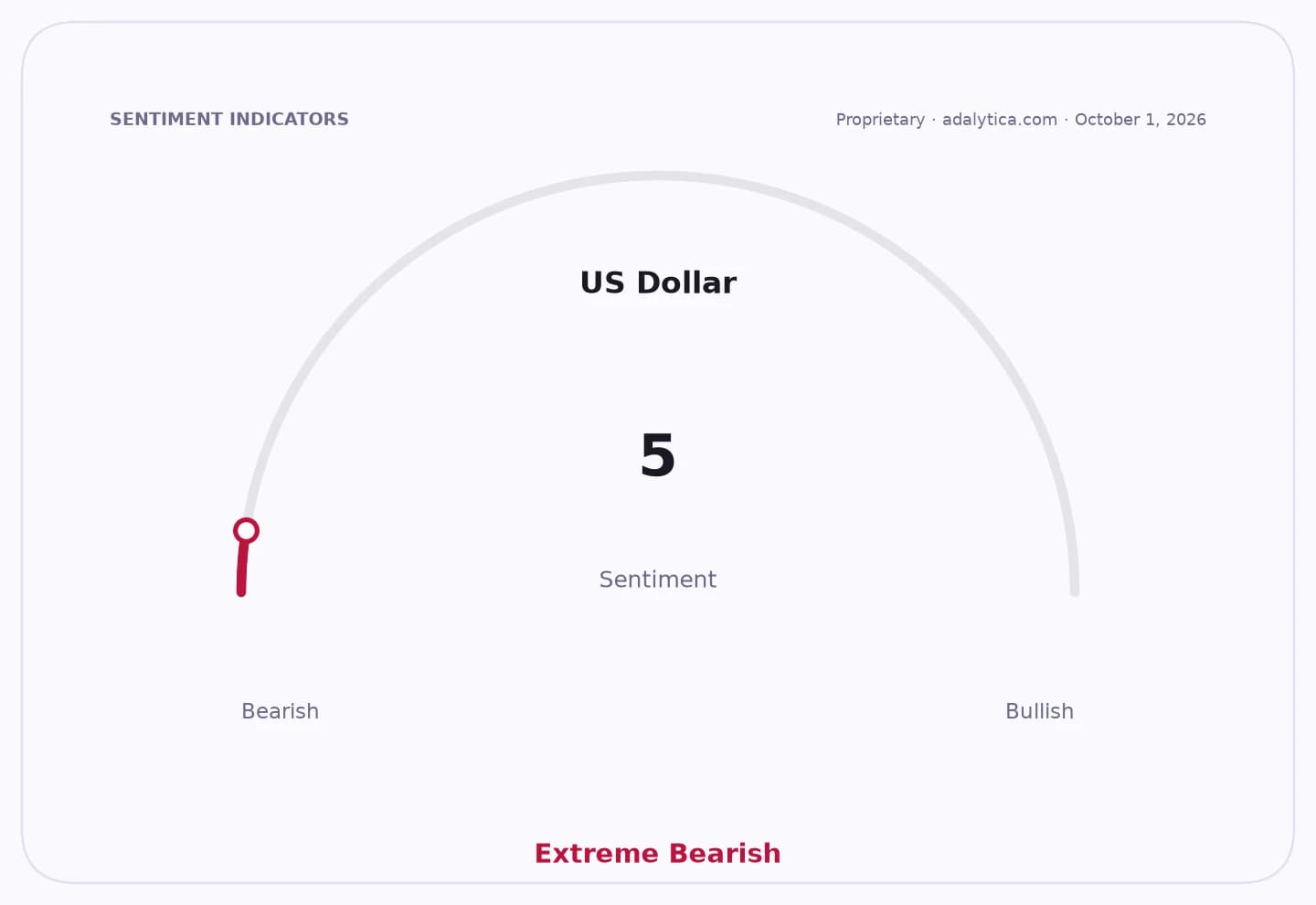
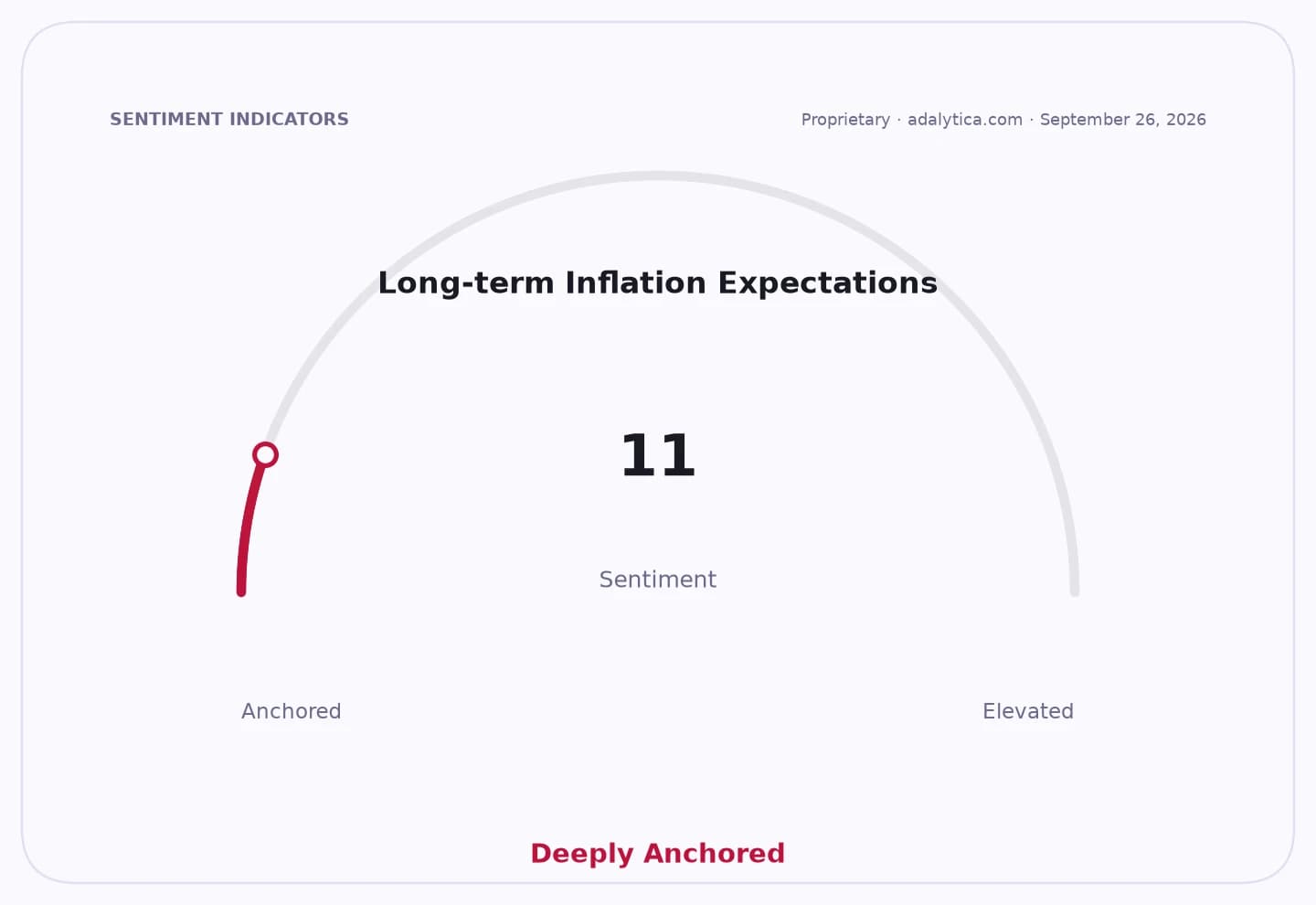
Sentiment IndicatorsⓘProprietary · adalytica.com · October 1, 2026
This is a snapshot — live sentiment, awareness and momentum for 130+ markets update continuously in the dashboard.Open AlphaPulse

The move matters because exchange-rate volatility feeds directly into inflation, import costs and corporate margins in an economy still heavily reliant on foreign inputs. A weaker naira raises the local-currency cost of fuel, food, machinery and raw materials, which can delay disinflation and keep borrowing costs elevated for longer. For businesses with dollar obligations, the latest move adds to balance-sheet risk; for consumers, it threatens purchasing power.
Still, the day’s depreciation masks a slightly firmer weekly picture at the official window, where the naira was stronger by 1.68 per dollar week on week, suggesting the currency is not in a one-way slide. Nigeria’s external reserves also continued to climb, reaching $54.86 billion on September 24, according to the apex bank, a sign that dollar supply conditions are improving at the margin.
That reserve build is the main bullish argument for the naira. Higher reserves give the central bank more room to smooth volatility, support market confidence and meet legitimate import demand. But the bearish case is that reserves alone do not guarantee a sustained currency recovery if dollar demand remains firm, speculative positioning persists or confidence in the FX framework remains uneven. The parallel market premium shows those pressures have not fully gone away.
Technical indicators on USD/NGN also point to a market that is still digesting a broad easing in the dollar’s recent strength but has not fully turned. The pair has drifted lower from earlier-year highs, yet remains above longer-term averages, suggesting the naira’s gains are still tentative rather than structural.
For investors, the key question is whether rising reserves translate into a narrower spread between official and street rates and a more predictable pricing environment for trade and capital flows. If that gap keeps shrinking, it would support a stronger macro narrative for Nigeria and improve visibility for importers, lenders and foreign portfolio investors. If it widens again, it would signal that underlying FX demand still outpaces supply.
The immediate outlook will depend on reserve accumulation, central bank intervention and the pace of dollar inflows. For now, Friday’s move says the naira is still vulnerable, even as policymakers can point to a healthier reserve buffer than earlier in the year.
| Entity | Gains | Losses |
|---|---|---|
| Importers | ▲Better access if reserves support FX supply | ▼Higher input costs from weaker naira |
| Exporters | ▲More naira per dollar revenue | ▼Less benefit if spread narrows |
| CBN | ▲Larger reserve buffer | ▼Pressure to defend the currency |
| Consumers | ▲None | ▼Higher prices for imported goods |