Nigeria’s central bank is still aiming to cut inflation to single digits by early 2027, but the path looks harder after renewed global energy shocks slowed disinflation and kept pressure on food prices, transport costs and the naira.
Nigeria CBN keeps 2027 single-digit inflation goal
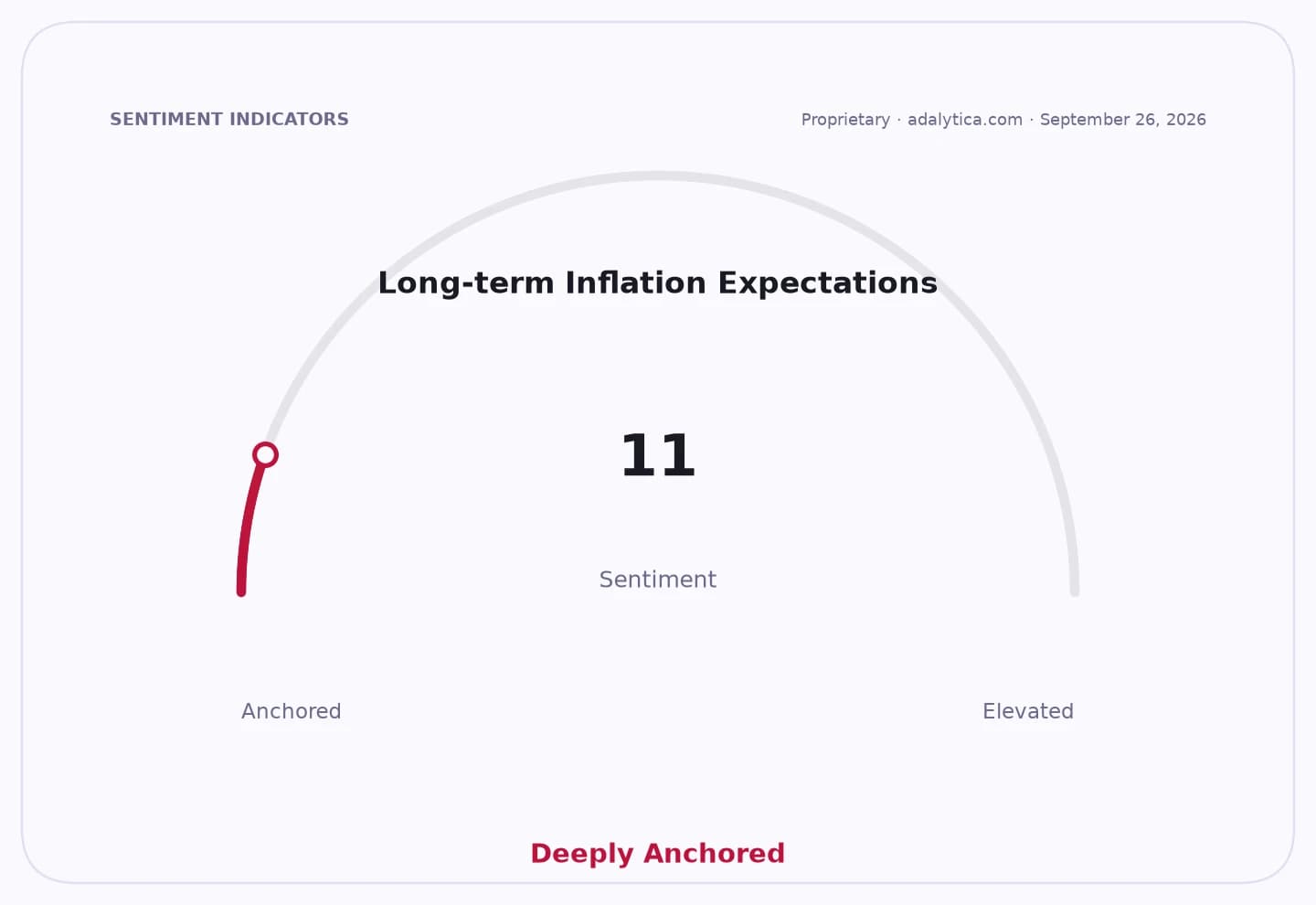
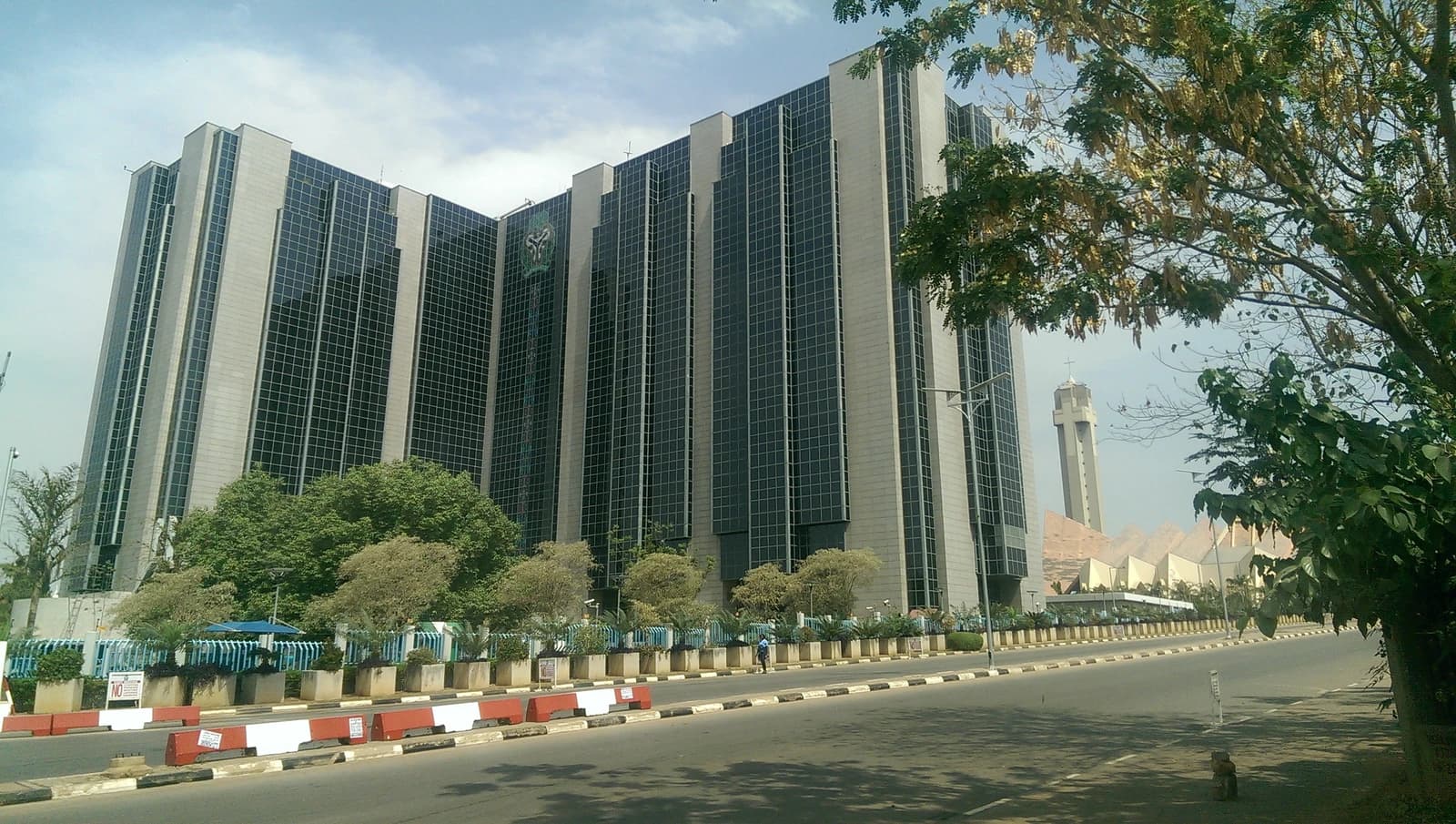
Central Bank of Nigeria Governor Olayemi Cardoso said the bank had expected the economy to be “firmly on track” for single-digit inflation after 11 straight months of slowing prices, but longer-than-expected geopolitical tensions have delayed that progress. The message matters because inflation remains the clearest constraint on Nigerian growth, household spending and investor confidence, even after a modest cooling in headline prices.
Sentiment IndicatorsⓘProprietary · adalytica.com · September 26, 2026
This is a snapshot — live sentiment, awareness and momentum for 130+ markets update continuously in the dashboard.Open AlphaPulse
Headline inflation edged down to 15.91% in June 2026 from 15.93% in May, a marginal move that masks a less encouraging picture beneath the surface. Food inflation rose to 17.52% from 16.96%, underscoring the persistence of supply bottlenecks in major producing areas and the impact of higher transport costs. For policymakers, that combination suggests that monetary tightening is still filtering through the economy, but not fast enough to offset imported cost pressures.
The CBN left its Monetary Policy Rate at 26.5%, alongside other policy settings, citing global uncertainty and renewed hostilities in the Middle East. That decision reinforces the bank’s bias toward keeping real financing conditions tight until inflation expectations ease more convincingly. The central bank also said exchange-rate stability, lagged effects from previous tightening and an approaching harvest season should help support further moderation in the medium term.
For investors, the key issue is whether Nigeria can sustain the recent improvement in the naira and preserve credibility on disinflation. A firmer currency can slow imported inflation, particularly in an economy still exposed to fuel and food shocks, while tighter policy supports the case for macro stabilization. But if oil-driven energy costs remain elevated, the burden shifts back onto domestic supply conditions and fiscal coordination, which are slower-moving and less controllable.
Cardoso’s emphasis on collaboration with fiscal authorities is also a reminder that monetary policy alone will not deliver the inflation target. Nigeria’s inflation dynamics remain heavily shaped by logistics, power, food supply chains and external energy prices, leaving the CBN trying to manage demand while the broader economy absorbs repeated cost shocks. That makes the 2027 goal plausible only if global prices calm, the naira stays steadier and food supply improves materially.
The near-term market implication is that policy will likely stay restrictive for longer, keeping pressure on borrowing costs but offering some support to the currency and local-currency assets if disinflation continues. The risk is that another jump in oil or shipping costs could stall the decline in inflation again, forcing the CBN to hold rates high well into 2027.
| Entity | Gains | Losses |
|---|---|---|
| CBN | ▲Policy credibility | ▼Faster growth |
| Nigerian consumers | ▲Slower inflation later | ▼Higher food costs now |
| Naira and local assets | ▲Support from tight policy | ▼Pressure if shocks persist |
| Borrowers and businesses | ▲None | ▼Higher financing costs |