The rupiah’s slide toward 18,000 per US dollar matters because it raises the cost of imports, complicates Bank Indonesia’s policy choices and threatens to keep foreign investors cautious about Indonesian assets.
Indonesia rupiah nears 18,000 per dollar
The currency weakened to 17,933 per dollar on Friday, down 0.09% from the previous close, after spending the week under pressure from a stronger US dollar and a widening preference for safe-haven assets. Economists pointed to the Federal Reserve’s latest 25-basis-point rate hike as a key trigger, narrowing the gap between the Fed funds rate and Bank Indonesia’s benchmark rate to about 175 basis points from roughly 200 basis points.
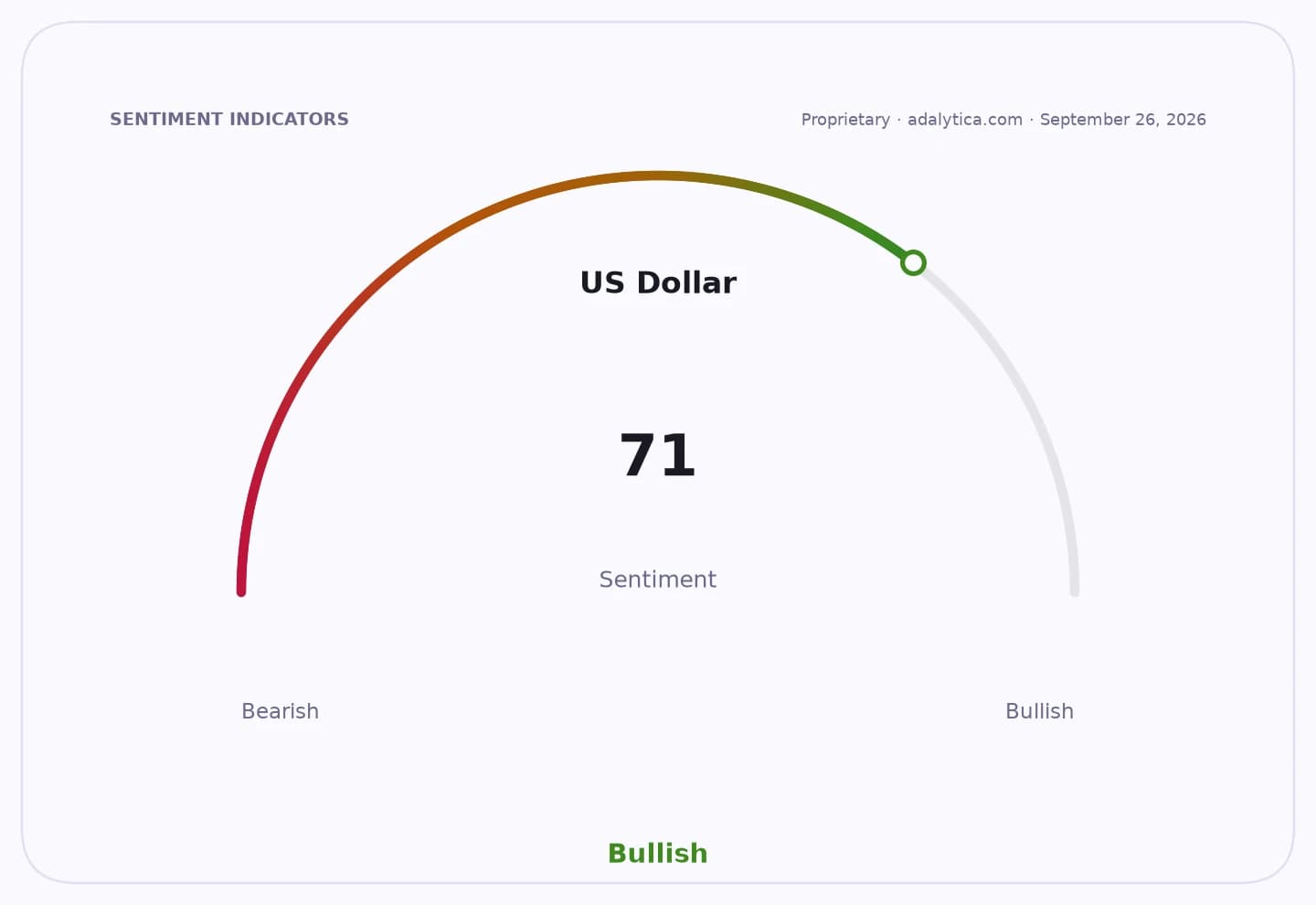
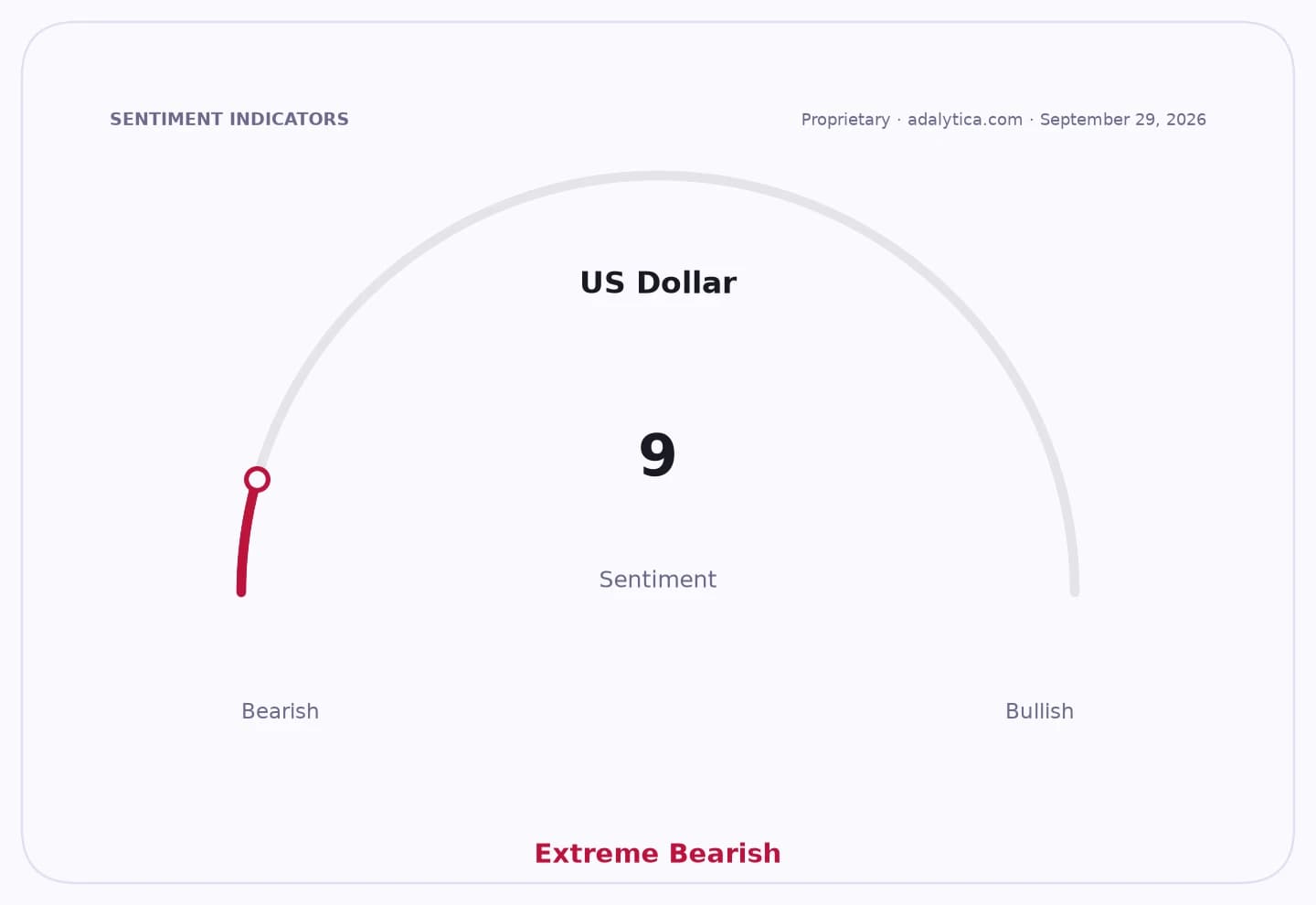
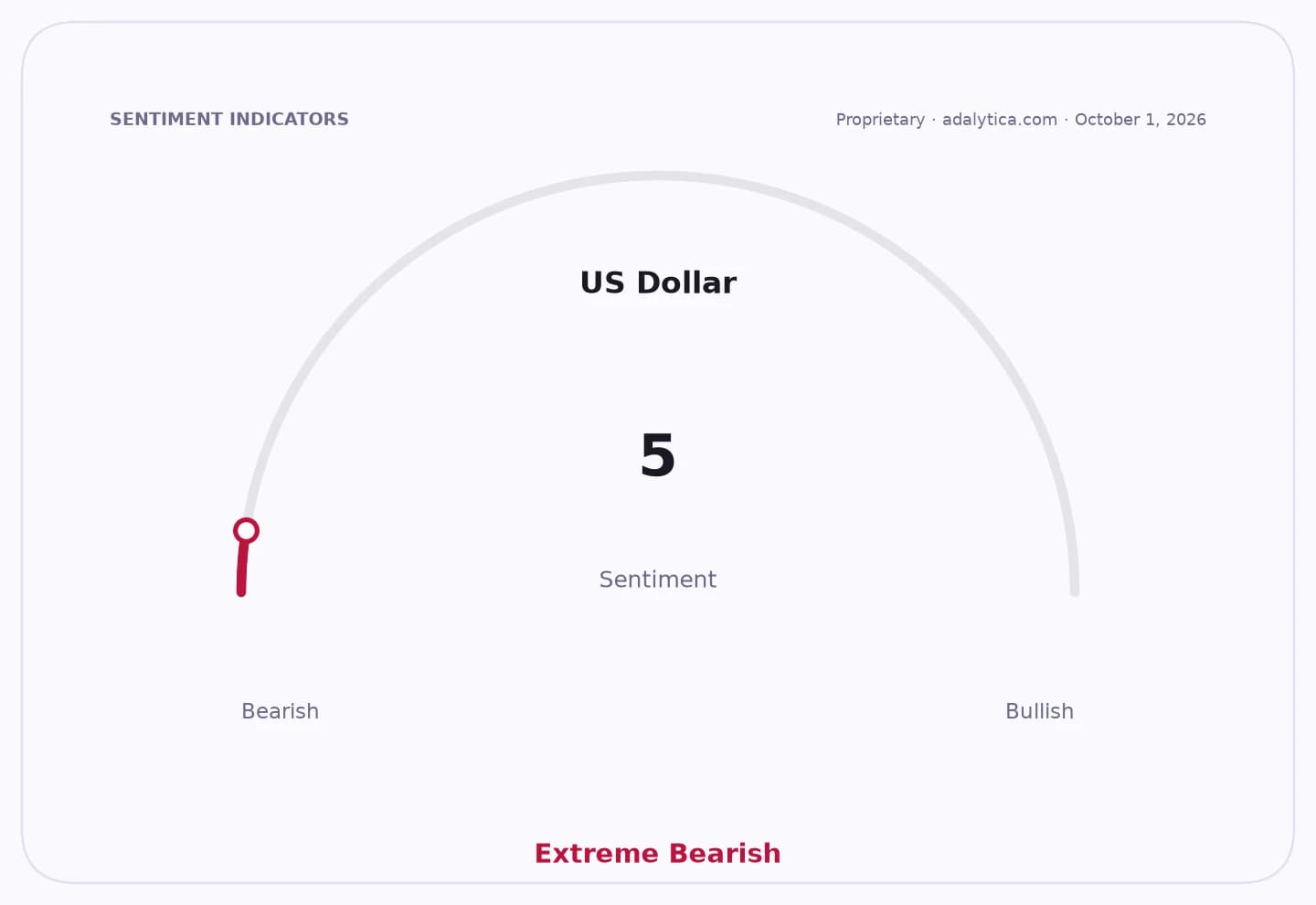
Sentiment IndicatorsⓘProprietary · adalytica.com · October 1, 2026
This is a snapshot — live sentiment, awareness and momentum for 130+ markets update continuously in the dashboard.Open AlphaPulse
That spread matters. When US yields rise relative to Indonesian rates, the incentive for global money to stay in emerging markets falls. For Indonesia, that can mean more capital leaving local bonds and equities, more demand for dollars and more pressure on the rupiah. Add in a jump in oil prices and renewed geopolitical tensions in the Middle East, and the currency faces a tougher backdrop just as import costs are becoming more sensitive.
For investors, the near-18,000 level is more than a psychological line. A weaker rupiah can eat into margins for companies that rely on imported raw materials, energy or equipment, while benefiting exporters that earn dollars. It can also force Bank Indonesia to lean more hawkish than growth investors would like, especially if capital outflows accelerate or inflation expectations rise.
The pressure is showing up beyond the foreign exchange market. Indonesian-focused equities and ETFs have been weak, with the iShares MSCI Indonesia ETF, or EIDO, losing ground and trading well below its 50-day and 200-day moving averages. The stronger dollar has also been reflected in the Invesco DB US Dollar Index Bullish Fund, or UUP, which is sitting above both of those moving averages and near recent highs, while Adalytica’s FX volatility gauge shows “Extreme Fear” in the currency market.
That is the real story here: this is not just a one-day currency dip, but a reminder that Indonesia is being pulled by forces well beyond its borders. If US rates stay elevated, oil remains firm and geopolitical tensions linger, the rupiah could keep testing Bank Indonesia’s tolerance for weakness. Long-term investors do not need to panic, but they should pay attention to who earns in dollars, who borrows in dollars and who depends on imported inputs. In a volatile currency market, that difference can define returns.
| Entity | Gains | Losses |
|---|---|---|
| Indonesian exporters | ▲Dollar revenues | ▼Rupiah-based costs |
| Importers and consumers | ▲— | ▼Higher import bills |
| Bank Indonesia | ▲Policy urgency | ▼Easier rate cuts |
| US dollar assets | ▲Safe-haven demand | ▼Emerging-market flows |