The rupiah strengthened to IDR 17,642 per dollar at Friday’s close as softer guidance from the Federal Reserve helped ease pressure on emerging-market currencies ahead of key U.S. labor data.
Rupiah Rises as Fed Tone Eases Dollar Pressure

The Indonesian currency rose 37 points on the day, while Bank Indonesia’s JISDOR reference rate improved to IDR 17,636 from IDR 17,689 in the prior session. The move came after Fed Governor Christopher Waller struck a more dovish tone, saying recent data show signs of disinflation and opening the door to holding rates if August inflation confirms the slowdown.
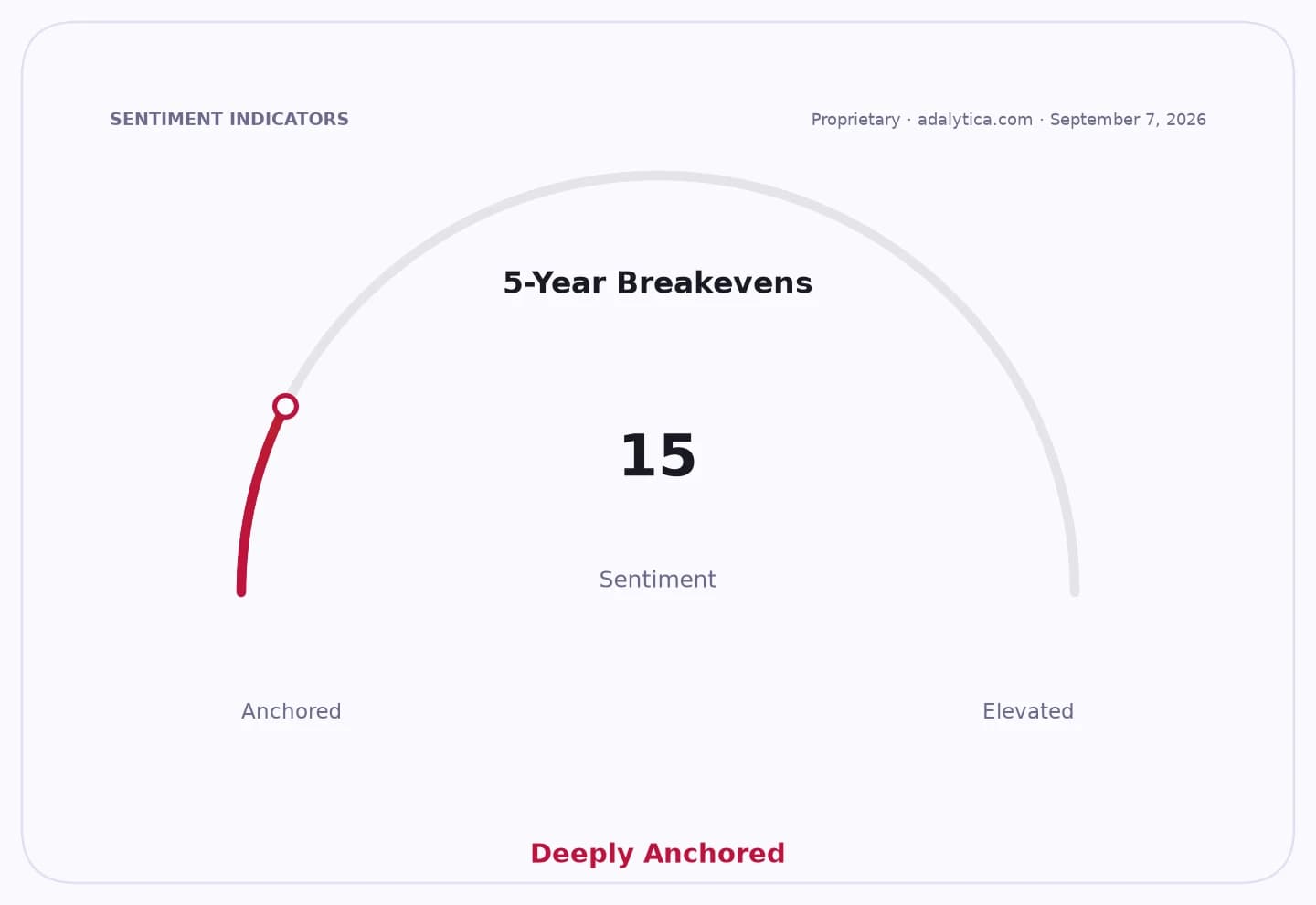
Sentiment IndicatorsⓘProprietary · adalytica.com · September 4, 2026
This is a snapshot — live sentiment, awareness and momentum for 130+ markets update continuously in the dashboard.Open AlphaPulse
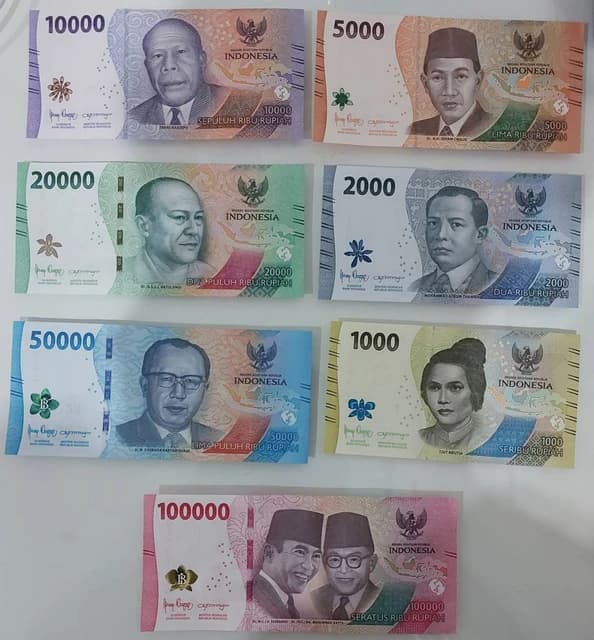
For Indonesia, the immediate economic significance is a modest reprieve for imported inflation, dollar funding costs and market sentiment after recent volatility in the rupiah. A weaker dollar backdrop typically gives the central bank more room to manage domestic conditions without leaning as hard on reserves or tighter liquidity.
Investors are watching the next U.S. payrolls report because it could quickly reverse the move. Strong jobs data would probably keep the Fed cautious and lift the dollar again, while a softer reading would reinforce bets on easier policy and support risk assets across Asia.
Hawkish vs Dovish Sentiment vs USDIDR=Xadalytica.com
Explore this data interactively — full history, time series and cross-market comparisons.Open AlphaPulse
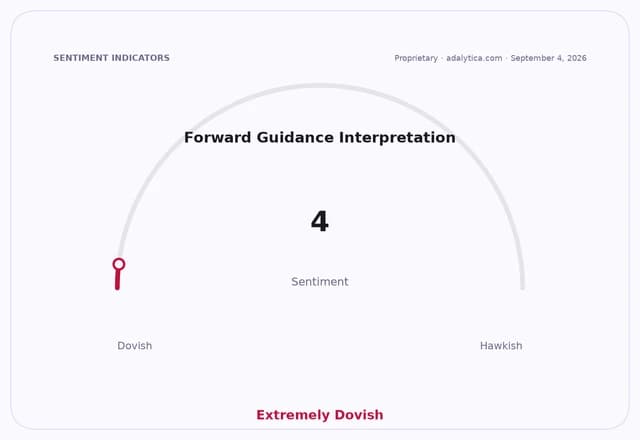
The dollar index proxy UUP rose to 28.08 on Friday, while the MSCI Emerging Markets ETF EEM climbed to 68.70, underscoring a broader bid for risk assets as Fed easing expectations improved. Adalytica’s Hawkish vs Dovish Fed Policy Sentiment gauge showed a neutral reading of 56, while its Federal Reserve Forward Guidance Sentiment stayed at extreme fear, reflecting how sensitive markets remain to the policy path.
Technically, USD/IDR remains below its 50-day moving average of 17,898.17 and 200-day average of 17,293.70, with RSI readings near 34 suggesting the pair is still in a fragile but not oversold state. Traders now look to U.S. employment figures and inflation prints next week for the next catalyst, with the rupiah expected to stay volatile in the near term.
| Entity | Gains | Losses |
|---|---|---|
| Rupiah | ▲Easier dollar pressure | ▼Less support if U.S. data reheat |
| Indonesian importers | ▲Lower FX costs | ▼Higher costs if rupiah weakens again |
| Fed doves | ▲More market support | ▼Less room if jobs stay strong |
| Dollar bulls | ▲Better entry on strong payrolls | ▼Softer yields if data cools |