Asian currencies were knocked lower in their sharpest slide since May as higher oil prices and a selloff in global bonds tightened the vise on import-dependent economies and rate-sensitive markets across the region.
Asian Currencies Fall as Oil and Yields Rise
That matters because the combination is toxic for Asia’s current accounts and capital flows: dearer crude widens trade deficits, while higher U.S. Treasury yields keep the dollar supported and pull money away from risk assets in emerging markets. The latest move leaves policymakers with an ugly mix of imported inflation and weaker currencies just as growth in the region is still trying to stabilize.
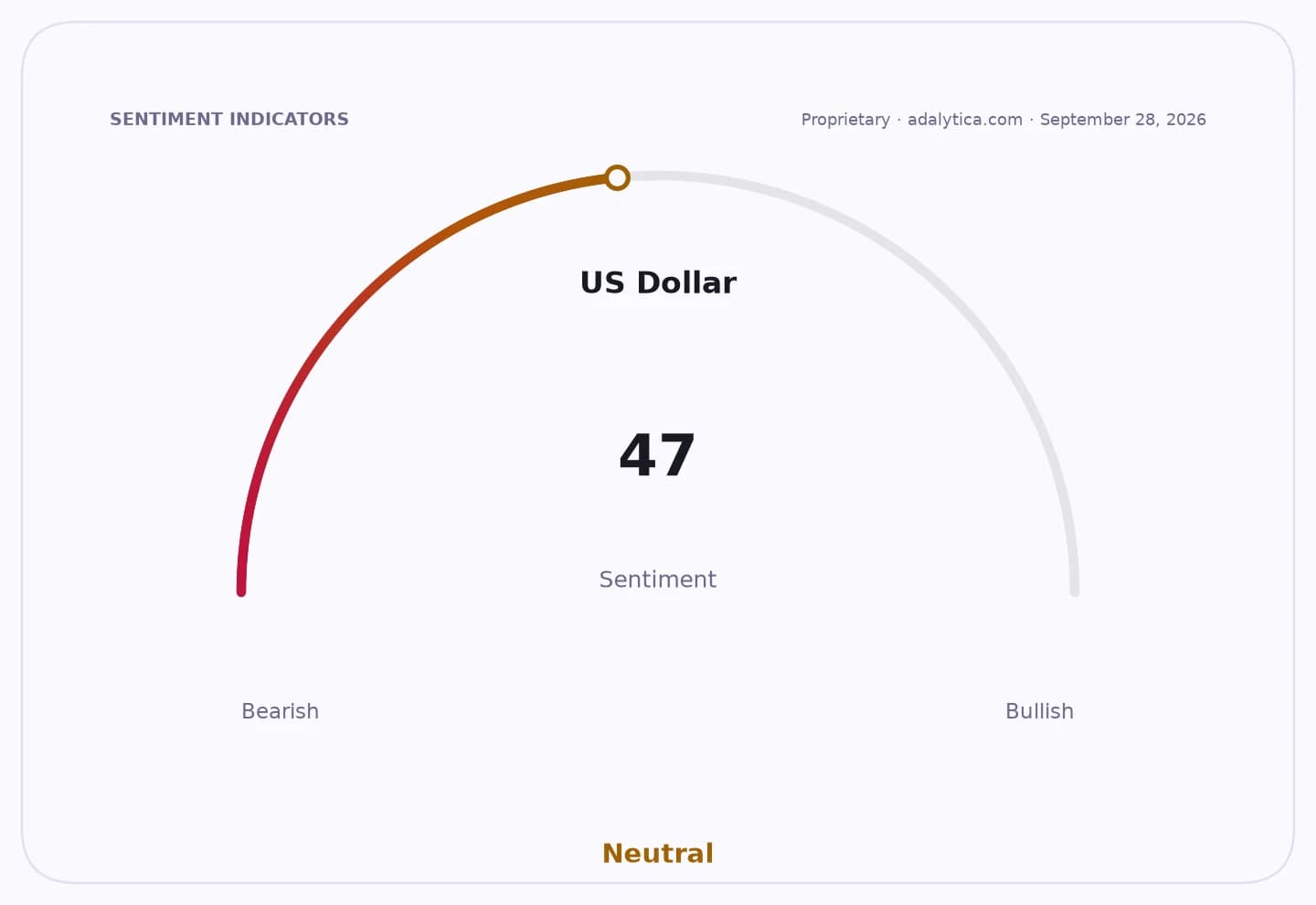
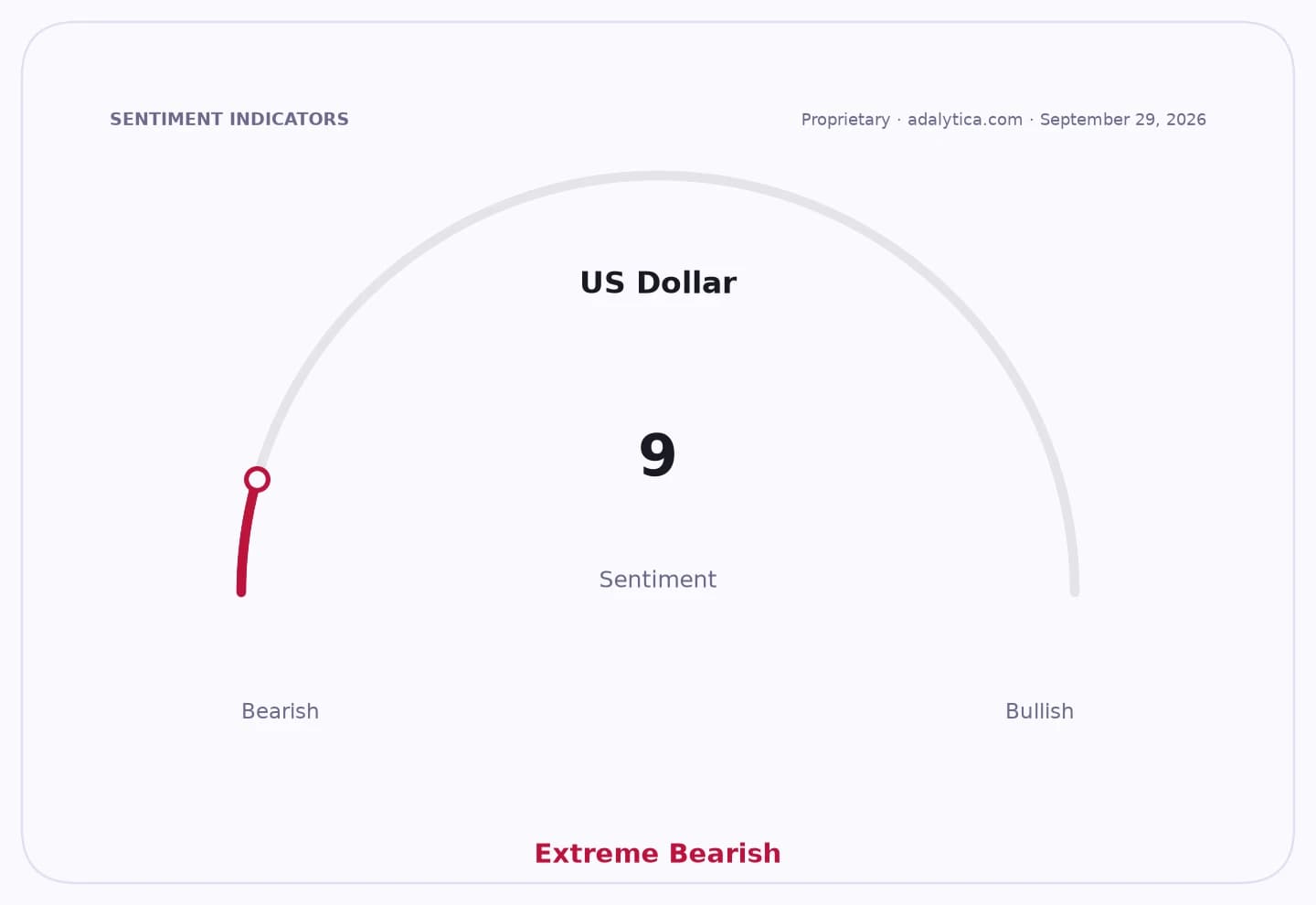
Sentiment IndicatorsⓘProprietary · adalytica.com · September 29, 2026
This is a snapshot — live sentiment, awareness and momentum for 130+ markets update continuously in the dashboard.Open AlphaPulse
The pressure was broad. The South Korean won, Indonesian rupiah, Japanese yen and Chinese yuan all came under strain, a sign that this was not a country-specific wobble but a macro reset driven by energy and rates. The yen’s weakness is especially important because Japan remains a major energy importer, so a higher oil price and a softer currency compound the squeeze on households and corporates alike.
The bond market is the other half of the story. U.S. 10-year yields around 5.2% and 2-year yields near 4.8% keep the carry advantage tilted toward the dollar, and that dynamic tends to punish Asian FX whenever risk appetite deteriorates. Traders are not just reacting to higher rates; they are repricing the cost of holding non-dollar assets in a world where funding is getting more expensive and inflation is not yet fully contained.
One exception was the Malaysian ringgit, which held up better and even opened stronger, underscoring that local market sentiment and relative external balance still matter. But the broader message is clear: Asia FX is increasingly trading as a leveraged play on oil, U.S. yields and global liquidity, not just on domestic growth data.
Investors should read this as a warning that the market may be underestimating second-order effects from the bond debacle. If crude stays firm and Treasury yields remain elevated, the next leg of pressure could spread from currency weakness into imported inflation, policy hesitation and softer earnings for companies with high foreign-exchange or energy exposure. The opportunity, in our view, lies in favoring markets and sectors that benefit from a stronger dollar and higher commodity prices, while staying defensive on the most import-dependent Asian economies until the rate and oil shocks ease.
| Entity | Gains | Losses |
|---|---|---|
| U.S. dollar | ▲Higher yield support | ▼None |
| Oil exporters | ▲Better terms of trade | ▼Importers face higher costs |
| Asian importers | ▲— | ▼Currency pressure, inflation |
| Malaysian ringgit | ▲Relative resilience | ▼Broader Asia FX weakness |