Higher U.S. Treasury yields are reinforcing the dollar’s strength and drawing capital away from emerging markets, with Bank Indonesia saying the move has made global investors more cautious about committing to developing-country assets.
U.S. Treasury Yields Pressure Rupiah and EM Assets

The 10-year Treasury yield climbed to 5.02% on Sept. 15, its highest since October 2023, and was still near 5% in subsequent trading, while the 2-year note traded around 4.85%. That level of U.S. risk-free return matters because it raises the hurdle for investors to own emerging-market debt and equities, especially when currency volatility can wipe out the carry advantage.
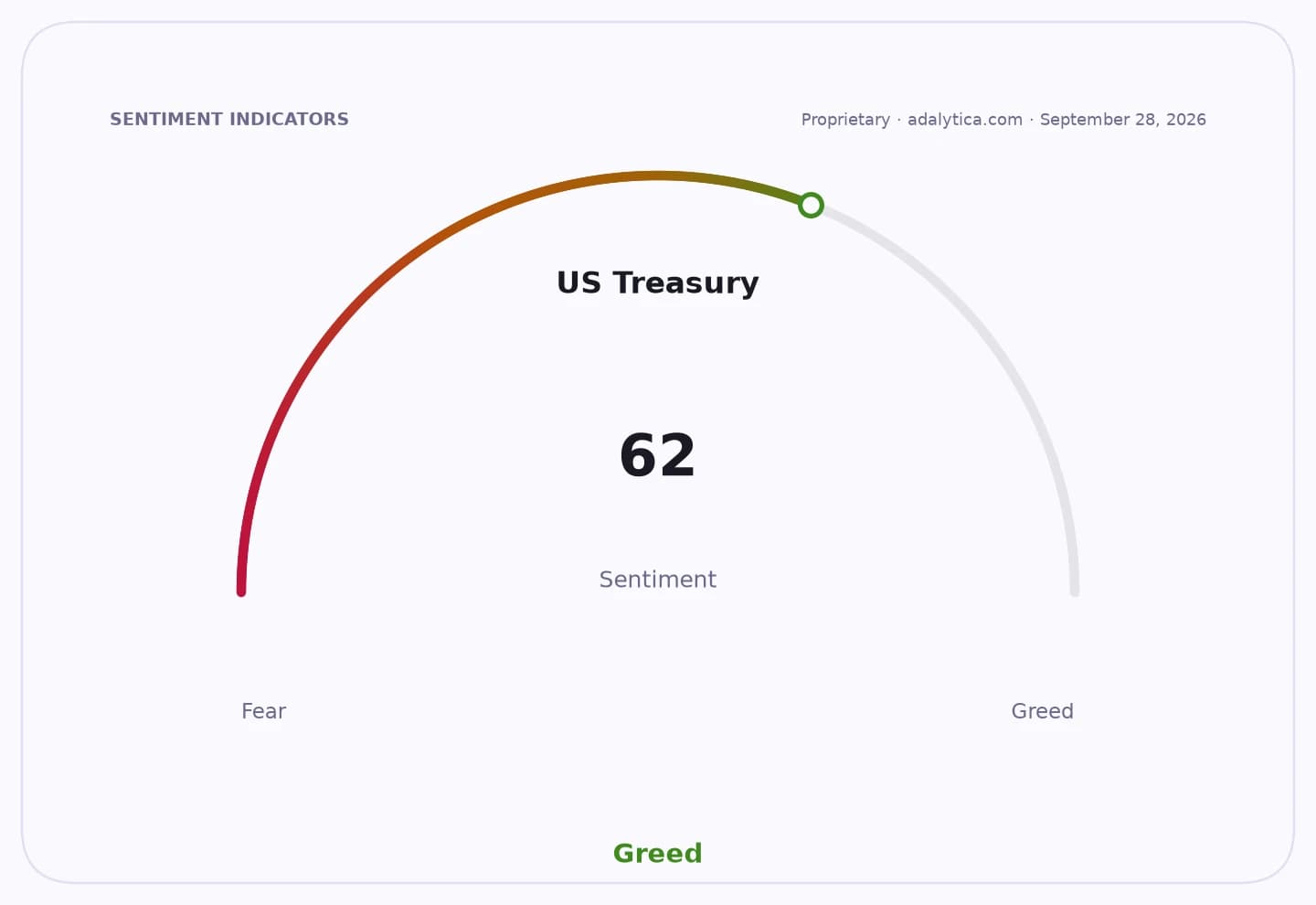
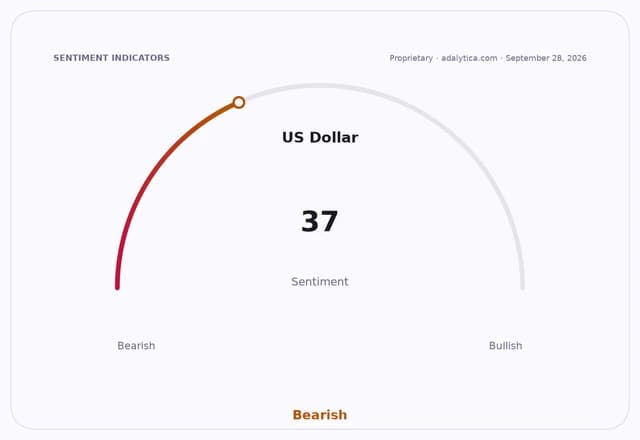
Sentiment IndicatorsⓘProprietary · adalytica.com · September 28, 2026
This is a snapshot — live sentiment, awareness and momentum for 130+ markets update continuously in the dashboard.Open AlphaPulse

For Indonesia, the message is immediate. Bank Indonesia said the rupiah weakened 0.78% from the end of August to Rp 17,855 per dollar on Sept. 22 after strengthening earlier in the month, as the dollar stayed firm amid global uncertainty. The central bank also said it would intensify efforts to stabilize the currency, including optimizing monetary instruments and expanding incentives to attract foreign portfolio inflows.
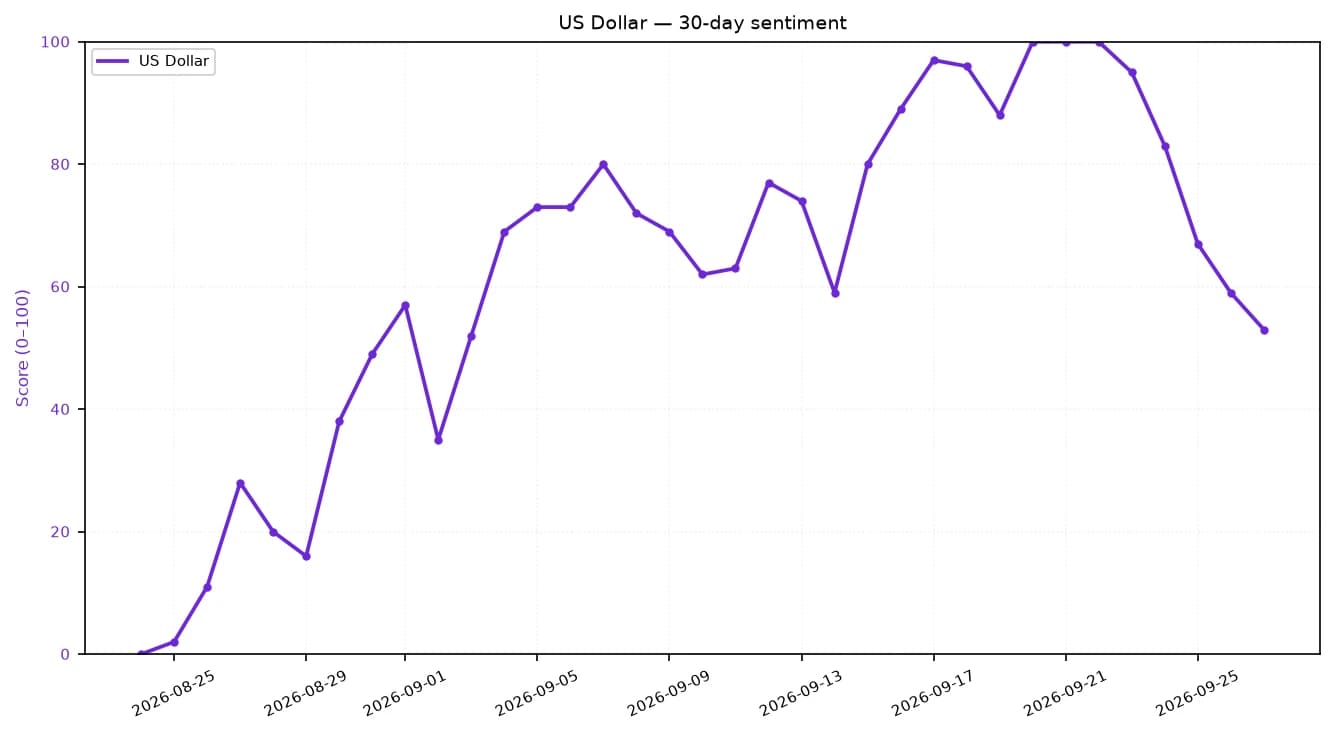
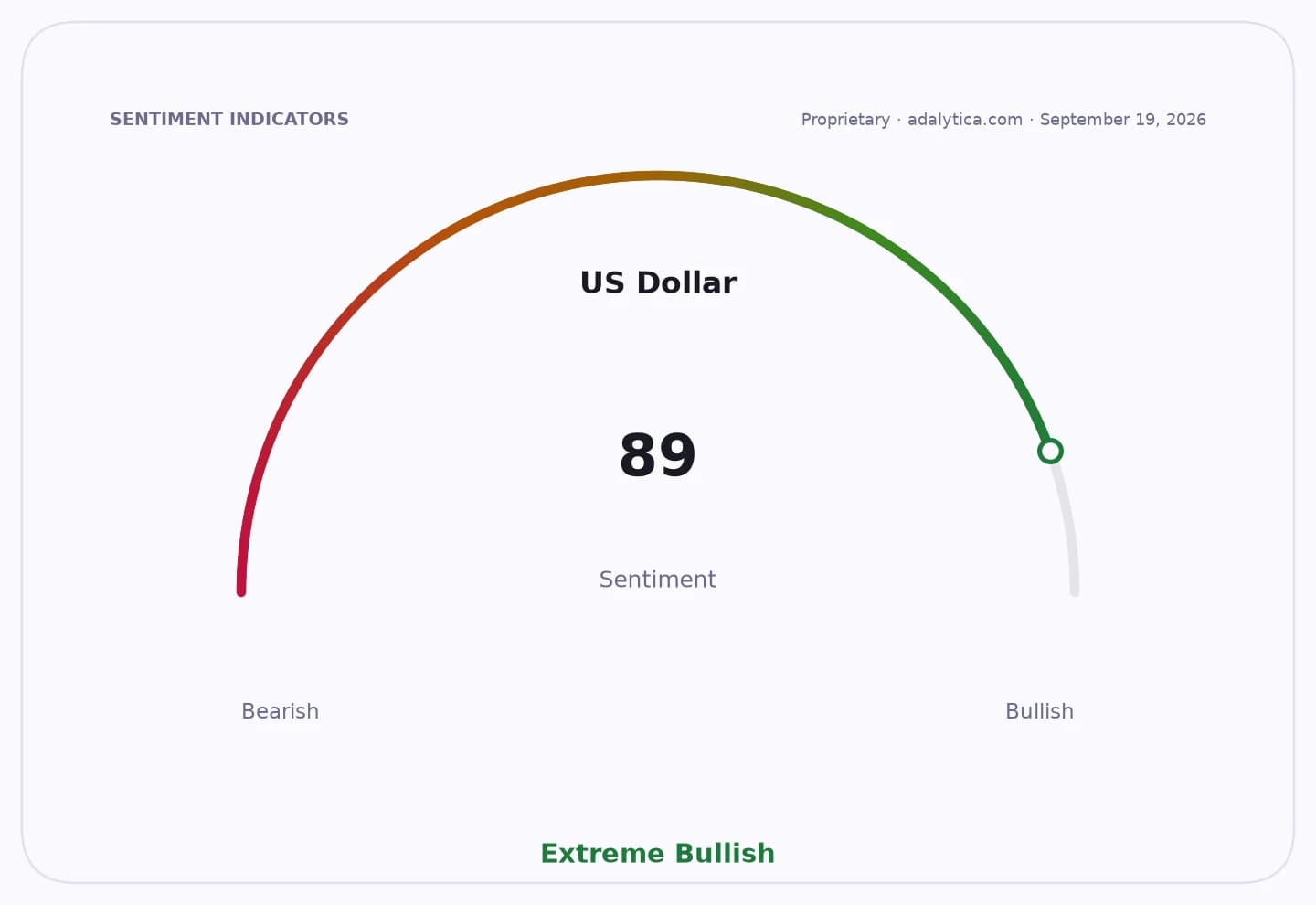
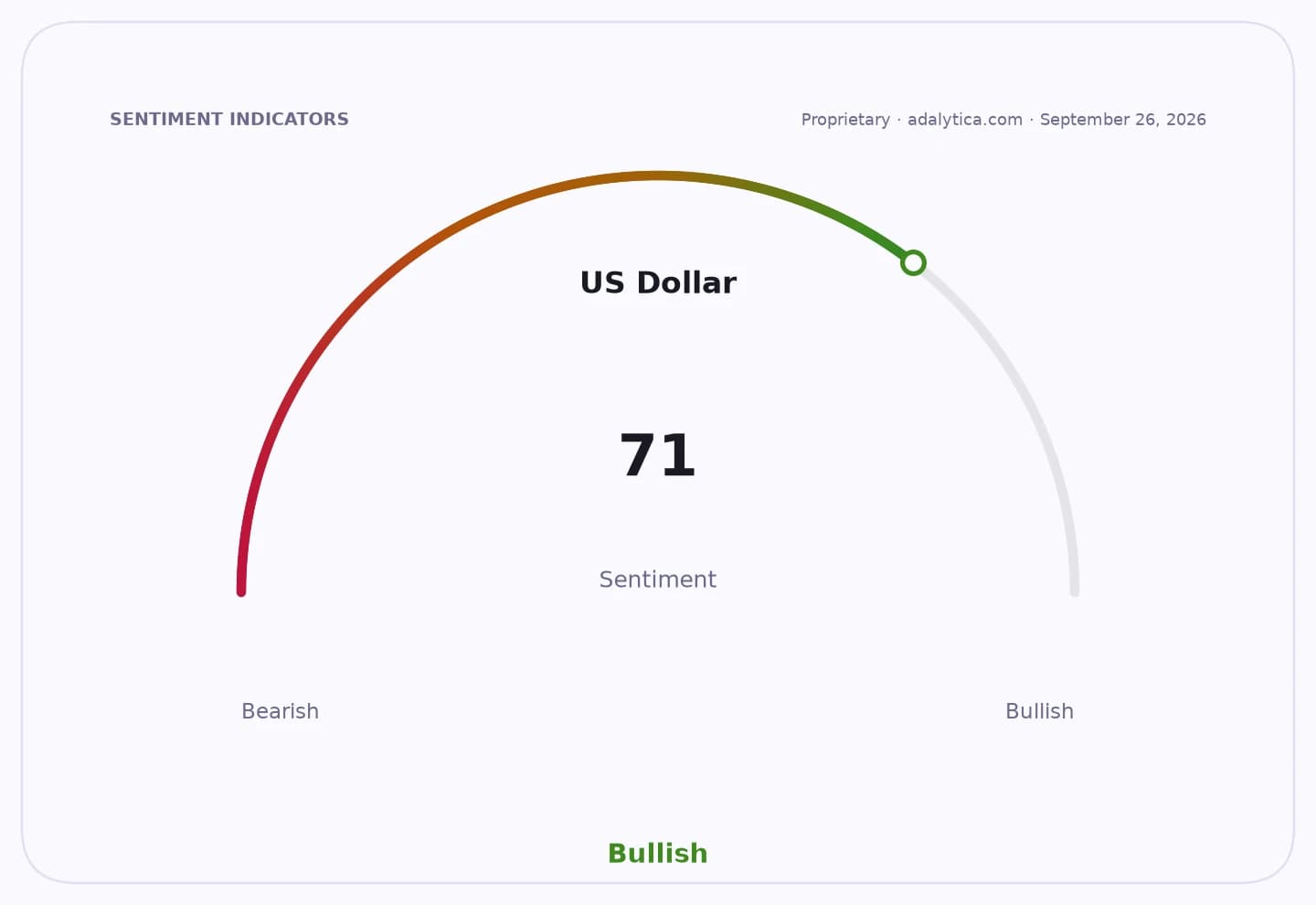
The yield backdrop is doing two jobs at once. It is supporting the dollar by making U.S. assets more attractive and, at the same time, pressuring foreign borrowers and portfolio managers who must decide whether local returns still justify the added exchange-rate risk. The dollar trade is showing up in market pricing: Adalytica’s U.S. dollar signals remain neutral, but awareness is still at an “extreme fear” reading, suggesting investors are alert to the currency’s outsized market role even if the broader trend has cooled.
DGS10 vs DGS2 — macro contextadalytica.com
Explore this data interactively — full history, time series and cross-market comparisons.Open AlphaPulse
The bond-market move is also feeding through to portfolio allocation. Treasury yields at these levels offer global investors a relatively safe return that can compete with many emerging-market instruments, particularly when U.S. fiscal deficits and expectations of another Fed rate hike keep upward pressure on yields. That dynamic is visible in the defensive tone across long-duration bonds: the iShares 20+ Year Treasury Bond ETF, TLT, fell to 78.65 on Sept. 28, with its 50-day average above the spot price and RSI in oversold territory, while the iShares 7-10 Year Treasury ETF, IEF, also slipped to 89.6.
Indonesia’s external buffers remain a partial offset. The country posted a July balance-of-payments surplus of $120 million after a $450 million deficit in June, and foreign-exchange reserves stood at $146.5 billion at end-August, enough to cover 5.4 months of imports. But the broader market implication is that even economies with adequate reserves can still face currency pressure when U.S. yields stay elevated and global capital turns more selective.
For investors, the key question is not whether the dollar can keep climbing forever, but whether Treasuries remain high enough for long enough to sustain the pull on capital flows. If yields hold near multiyear highs, emerging-market currencies, local bonds and dollar-funded carry trades are likely to remain under pressure. If they ease, the relief would probably show up first in currencies like the rupiah, where central banks are already leaning on rates, intervention and incentives to steady inflows.
| Entity | Gains | Losses |
|---|---|---|
| U.S. Treasuries | ▲Higher yield appeal | ▼Price sensitivity |
| U.S. dollar | ▲Safe-haven demand | ▼Emerging-market carry trades |
| Bank Indonesia | ▲Policy flexibility | ▼Rupiah stability burden |
| Emerging-market assets | ▲Selective inflows | ▼Capital outflows |