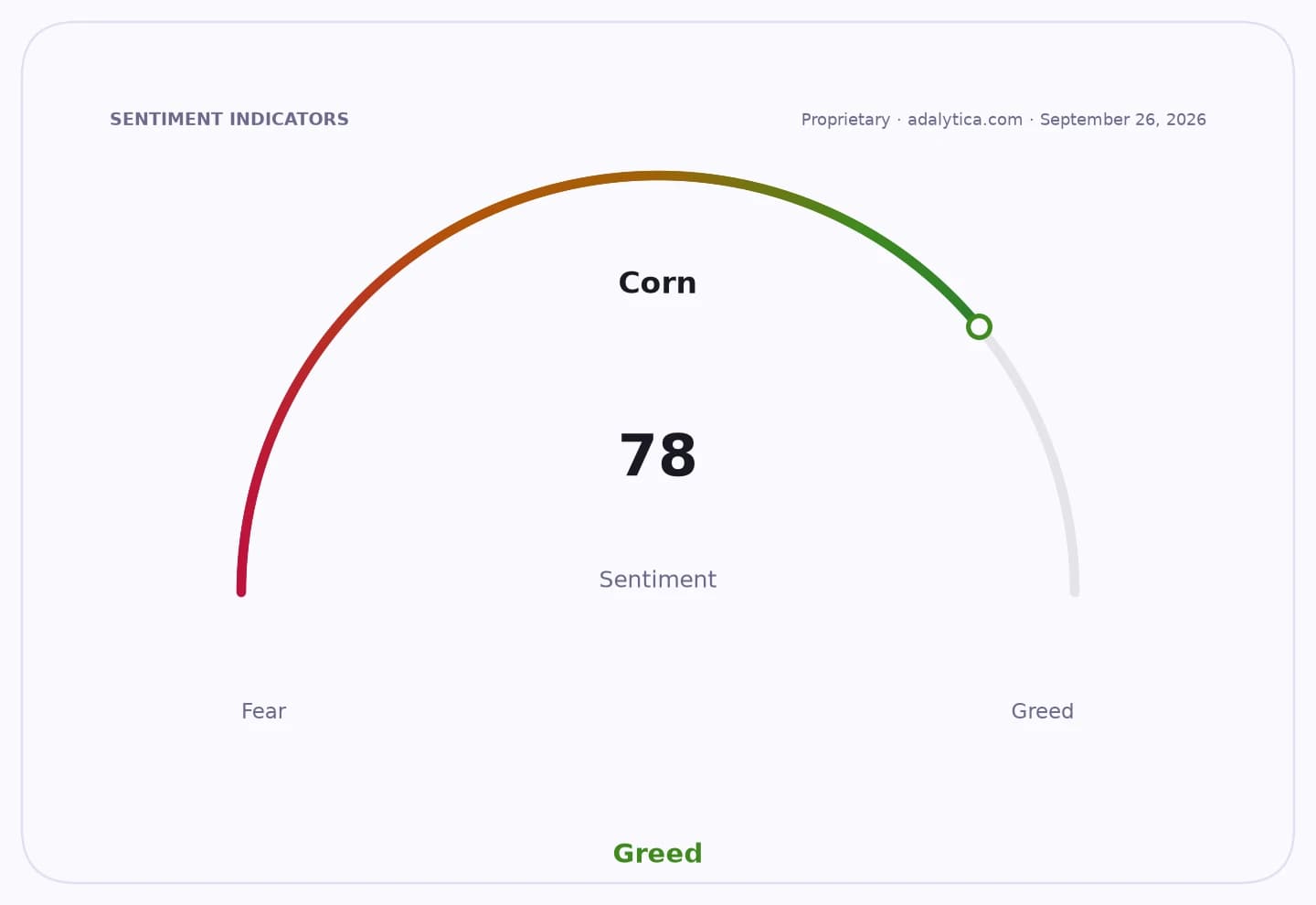
Argentina’s central bank returned to dollar buying at the start of October, purchasing $128 million in two sessions as it looks to rebuild international reserves after a slower September and ahead of a heavier inflow season from agriculture, energy and mining.
Argentina Central Bank Buys $128 Million in Dollars
The Banco Central de la República Argentina bought $35 million on Friday after taking in $93 million on Thursday, lifting international reserves to $48.653 billion. The renewed pace matters because reserve accumulation remains the key macro buffer in Argentina: it supports confidence in the peso, helps meet external obligations and gives policymakers more room to manage volatility in a fragile currency market.
The October start marks a sharp change from September, when the bank’s net purchases totaled just $473 million, the weakest monthly figure of 2026 and well below the more aggressive buying seen earlier in the year. In the first nine months of the year, the central bank had still accumulated $14.568 billion, above its full-year target of $10 billion, but the slowdown last month exposed how dependent reserve buildup remains on seasonal export inflows and market conditions.
Officials attributed the September deceleration to thinner agricultural dollar liquidation and broader exchange-market dynamics. That seasonal drag is now expected to ease. The government is counting on stronger foreign-currency supply from the wheat harvest and rising exports from energy and mining, with Vaca Muerta at the center of the policy story. For investors, that matters because a sustained rise in export dollars would reduce pressure on the exchange rate, improve reserve coverage and potentially lower the risk premium on Argentine assets.
The central bank said its purchases are intended to absorb excess dollar supply rather than set the peso’s value, underscoring the authorities’ effort to frame reserve accumulation as a market-driven process. That approach is important in a country where every intervention is watched for clues about the regime’s durability, policy credibility and the state of external financing. The BCRA’s ability to keep buying dollars without reigniting pressure on the exchange market will be a key test in the weeks ahead.
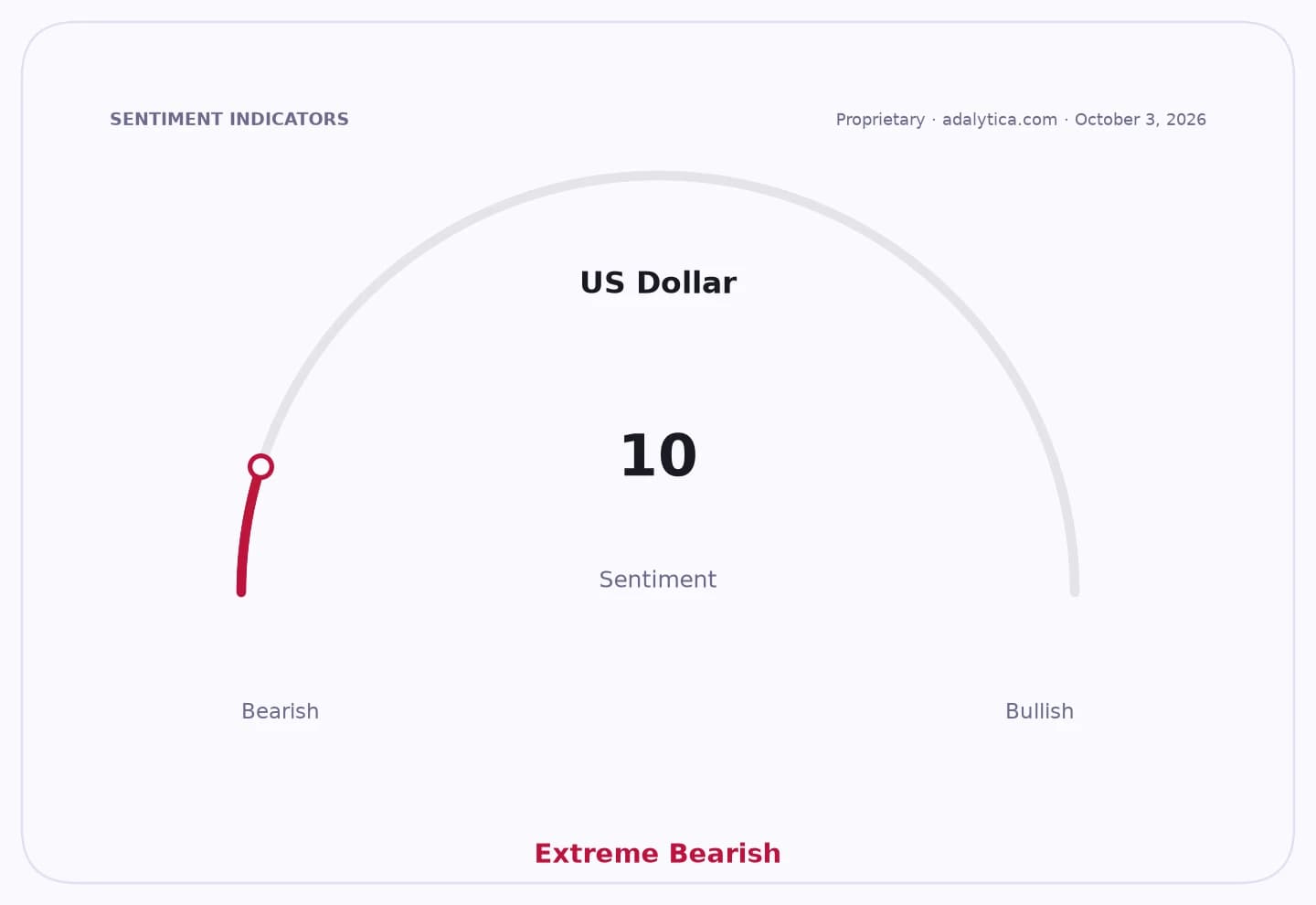
There is also a broader market overlay. Adalytica’s proprietary dollar sentiment gauge shows extreme fear around the US currency, with sentiment at 10 and awareness at 18, reflecting a much weaker tone over the past month. For Argentina, that backdrop can be supportive if it coincides with stronger local dollar inflows, but it does not remove the structural risk: if export receipts disappoint or domestic demand for hard currency rises, the central bank could again face a difficult trade-off between reserve accumulation and exchange-rate stability.
For investors, the immediate takeaway is that October has started with a more constructive reserve dynamic, but the durability of that trend will depend on whether seasonal and sector-specific inflows — especially from agriculture, energy and mining — arrive in the volumes the government is counting on.
| Entity | Gains | Losses |
|---|---|---|
| Argentina Central Bank | ▲Bigger reserves buffer | ▼Less room if inflows slow |
| Peso / local assets | ▲Lower devaluation pressure | ▼Higher volatility if buying stalls |
| Exporters in agriculture, energy, mining | ▲Stronger FX conversion demand | ▼More scrutiny on dollar flows |
| Dollar bulls / reserve skeptics | ▲Fewer near-term stress signs | ▼Slower case for Argentina risk premium |