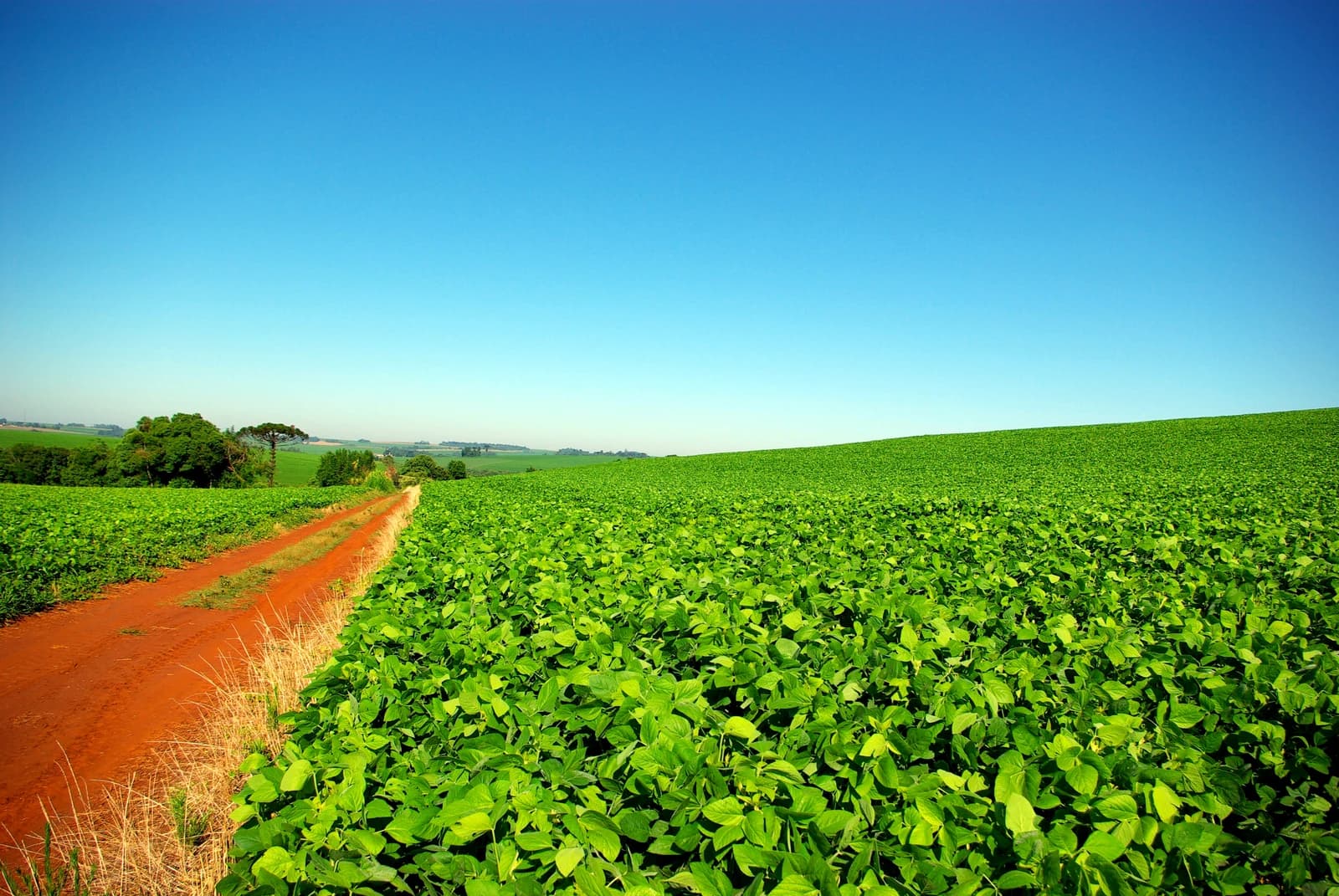
Argentina’s soybean and corn production is expected to rise, the Buenos Aires Cereals Exchange said, reinforcing the country’s role as a swing supplier for global grains markets just as traders are trying to assess South American crop conditions and Chinese demand.
Argentina Soybean, Corn Output Seen Rising
The revision matters because Argentina is one of the world’s biggest exporters of soymeal, soyoil and corn, and even a modest improvement in output can shift trade flows, pressure nearby futures and alter import costs for livestock and food producers. For investors, the key issue is not only the size of the harvest but the downstream effect on export availability, crushing margins and the pricing power of rival producers in the US and Brazil.
Soy-linked markets already reflect a broadly constructive tone. The SOYB fund has climbed to $27.72, above its 50-day moving average of $26.51 and 200-day average of $24.51, while corn-tracking CORN closed at $19.73, also above both its 50-day and 200-day averages. The technical backdrop suggests investors have been willing to pay up for grain exposure, even as near-term momentum has cooled from earlier peaks.
That makes the Argentine outlook especially relevant. A larger crop would add supply to a market that has been sensitive to weather, policy and export expectations all year. Argentina’s harvest prospects matter beyond the farm gate because the country exports not just raw corn and beans but processed soy products, making it a central node in global feed and cooking-oil supply chains. Any increase in output can ease tightness in world balances, but it can also weigh on producer prices and challenge margins for grain handlers and crushers if export taxes, local currency moves or freight costs do not offset the volume gain.
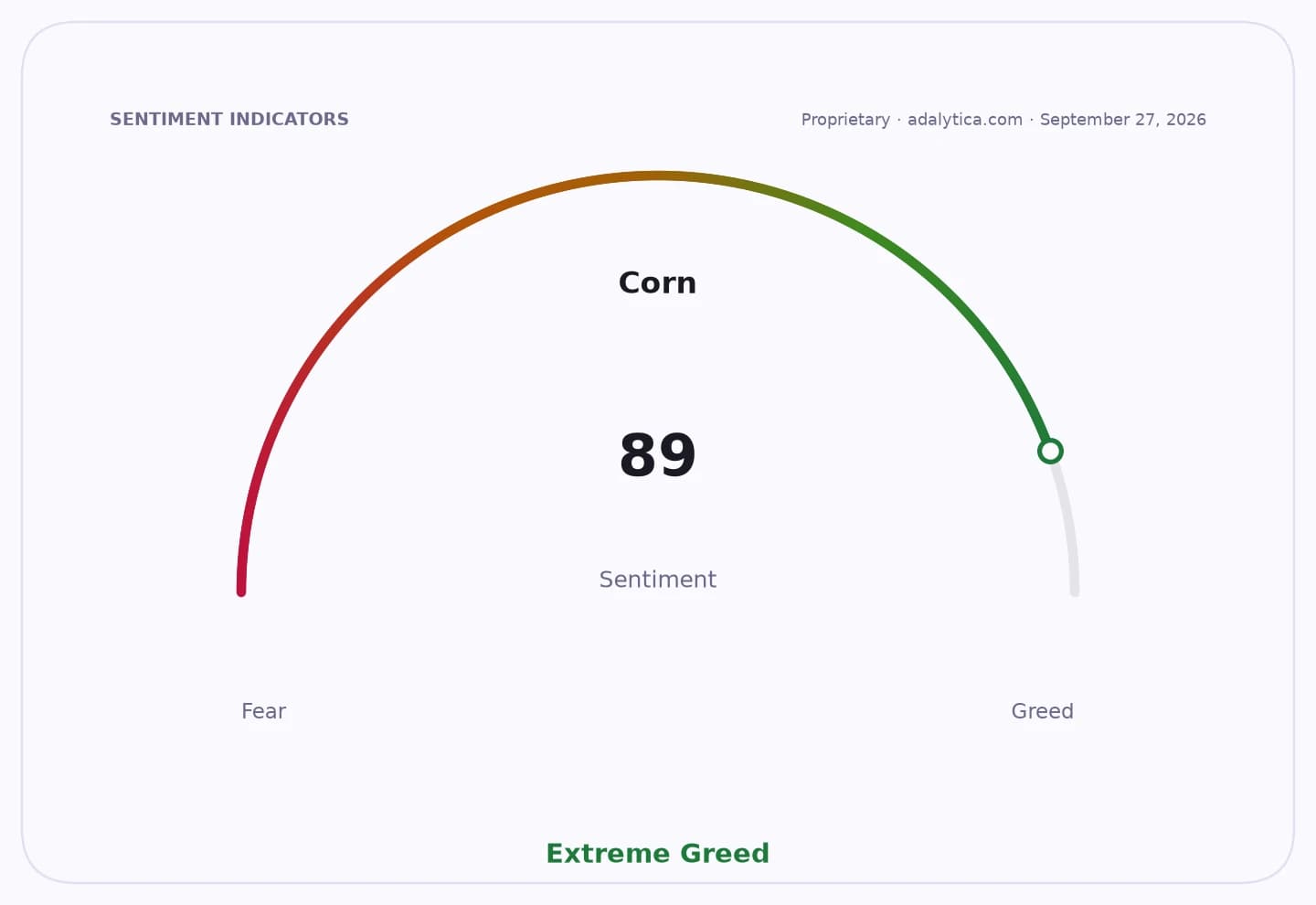
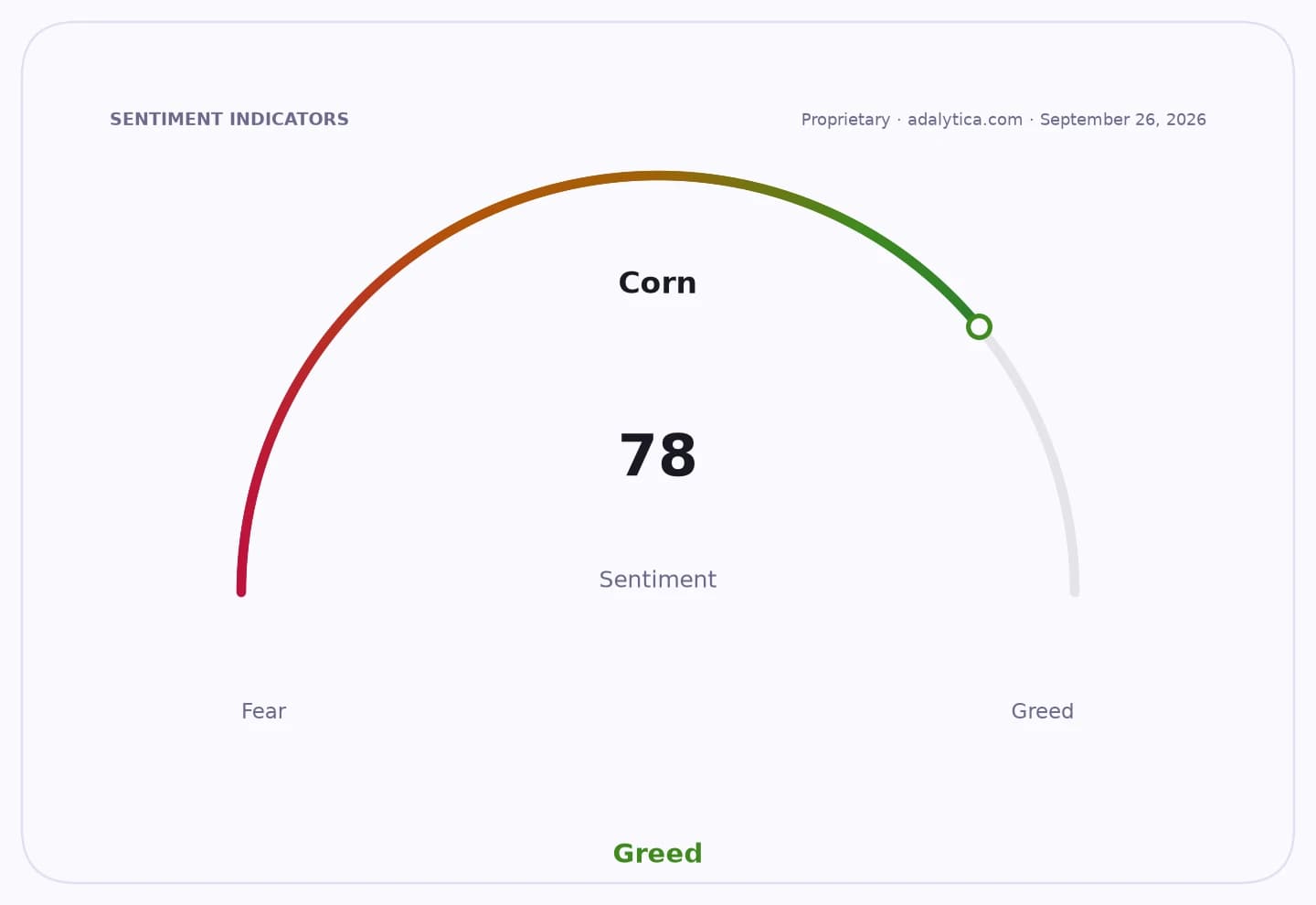
The market backdrop is mixed. CORN has been supported by a sharp rise in Adalytica’s Corn Fear & Greed Index to 78, or “Greed,” though awareness remains at an “Extreme Fear” reading of 8, a sign that positioning may be crowded even if conviction is not yet broad. Wheat, another benchmark for global grain sentiment, has also held above key moving averages. By contrast, a steep drop in Adalytica’s China economic-growth sentiment to 4 underscores the risk that any rally in agricultural commodities could be checked if Chinese demand disappoints.
For Argentina, the near-term bull case is straightforward: improved yields and larger harvested volumes could boost export revenue, support farm incomes and help the government’s hard-currency inflows at a time when every dollar matters. The bear case is that a bigger crop may arrive into a market already adjusting to ample supplies elsewhere, capping price upside and limiting the benefit to growers if local policy and logistics absorb much of the gain.
For investors, the most important implication is that Argentine supply could lean against grain prices if the production upgrade is confirmed in coming official estimates. The next catalyst will be whether private forecasts and export booking data validate the Cereals Exchange view, and whether weather through the final stages of harvest preserves the expected increase.
| Entity | Gains | Losses |
|---|---|---|
| Argentine farmers | ▲Higher output volumes | ▼Lower price power |
| Global grain buyers | ▲Easier supply access | ▼— |
| US and Brazilian exporters | ▲— | ▼Rival supply pressure |
| Grain and soymeal consumers | ▲Lower input costs | ▼— |