Brazil is signaling that one of its biggest agricultural vulnerabilities could become an opportunity for Argentina, with senior officials saying the country is ready to absorb more of its neighbor’s output of fertilisers, gas and potash.
Brazil ready to buy more Argentina fertilisers
That matters because Brazil’s farm sector depends on imports for 92% of the 50 million tonnes of NPK fertilisers it uses each year, leaving the region’s biggest agricultural economy exposed to freight costs, geopolitics and price spikes. For investors, the comments point to a potential demand anchor for Argentine energy and industrial projects, while underscoring how supply insecurity in fertilisers can ripple through crop output, food prices and trade balances across South America.
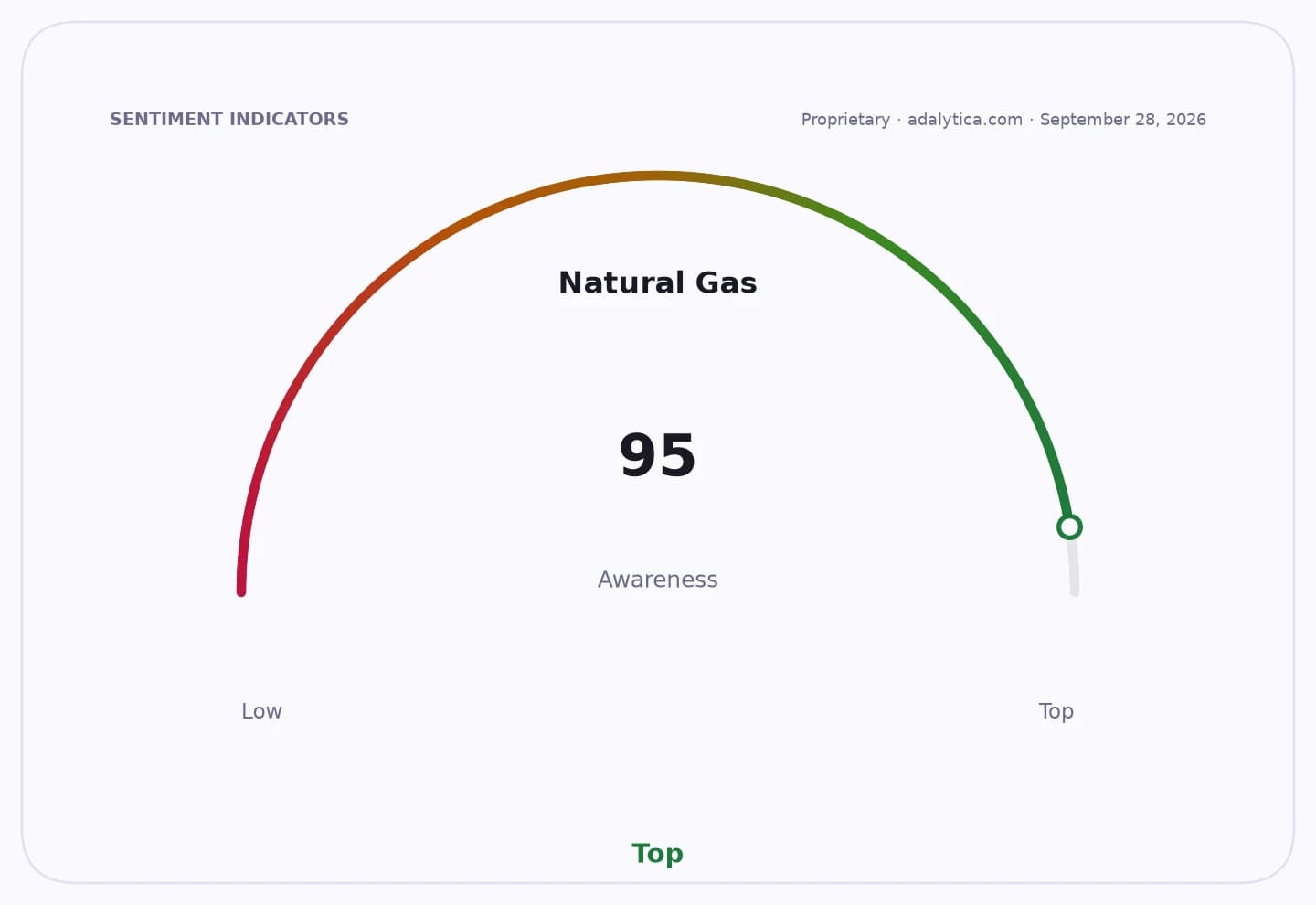
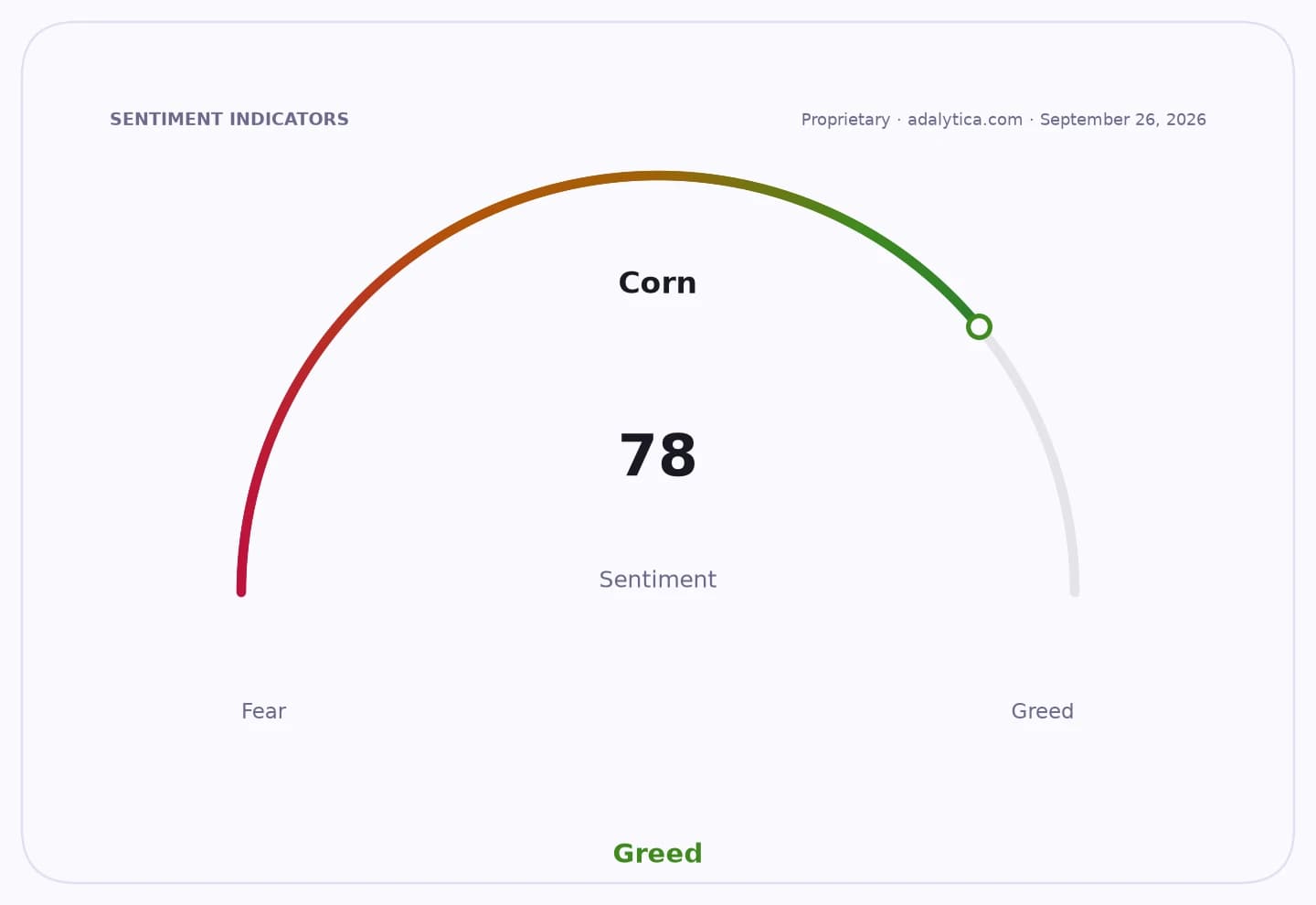
Sentiment IndicatorsⓘProprietary · adalytica.com · September 27, 2026
This is a snapshot — live sentiment, awareness and momentum for 130+ markets update continuously in the dashboard.Open AlphaPulse
Cleber Oliveira Soares, the Brazilian Agriculture Ministry’s executive secretary, said Brazil was “ready to buy” what Argentina produces, especially urea and potash, during an agricultural event in Buenos Aires. The pitch is not rhetorical. Brazil has already been forced to diversify away from traditional suppliers after urea prices jumped as much as 500% in six months amid Middle East tensions, and it still faces a phosphorus shortfall of about 5 million tonnes.
The scale of Brazil’s dependence explains why the remarks carry economic weight. More than 80% of its fertiliser imports come from the northern hemisphere, chiefly Canada, Russia, China, Belarus and the US, while the rest comes from Africa and the Middle East. Any disruption to those lanes quickly translates into higher costs for Brazilian farmers, who operate on tight margins in a globally competitive export sector.
Argentina’s appeal is geographic as much as geological. Brazilian officials highlighted Vaca Muerta’s gas reserves as a feedstock advantage for urea production and pointed to Argentine potash resources in the Colorado River basin. On the Brazilian side, the government also used the meeting to show it is prepared to back supply deals wherever they make sense, including a recent agreement with Morocco for 3.8 million tonnes of phosphorus for the next planting season.
For companies, the message is that cross-border fertiliser trade could become a more durable theme than a one-off diplomatic gesture. Pampa Energia’s planned $2.7 billion urea plant in Bahía Blanca, due to start output by the end of 2029, is one of the clearest beneficiaries if Brazil becomes the main export market as expected. Profertil, already producing about 1.3 million tonnes of urea a year in Bahía Blanca, also stands to benefit from any sustained shift in regional sourcing.
The trade angle extends beyond fertilisers. Brazilian officials also framed Argentina as a nearer and potentially cheaper source of gas, while noting Brazil currently buys some of that fuel from the Middle East and China. If those flows develop, they could improve Argentina’s hard-currency earnings and reduce Brazil’s exposure to long-haul supply chains, even if building the infrastructure to scale them will take years.
The bull case is straightforward: Brazil wants supply security, Argentina has proximity and feedstock, and both governments are publicly encouraging private-sector links. The bear case is execution. New fertiliser plants require large capital commitments, reliable policy and years of construction, while potash and phosphorus projects have a history of stalling in the region.
For now, the market takeaway is that Brazil is effectively offering Argentina a captive demand base in a strategically important input market. If the projects advance, the winners would be Brazilian farmers and Argentine exporters; if they do not, Brazil will keep paying a premium for imported fertilisers and the region will remain exposed to swings in global commodity logistics.
| Entity | Gains | Losses |
|---|---|---|
| Brazil farmers | ▲Lower supply risk | ▼Price shocks |
| Argentina producers | ▲Bigger export market | ▼Financing hurdles |
| Pampa Energia / Profertil | ▲Demand visibility | ▼Delay risk |
| Russian/Asian suppliers | ▲— | ▼Share loss in Brazil |