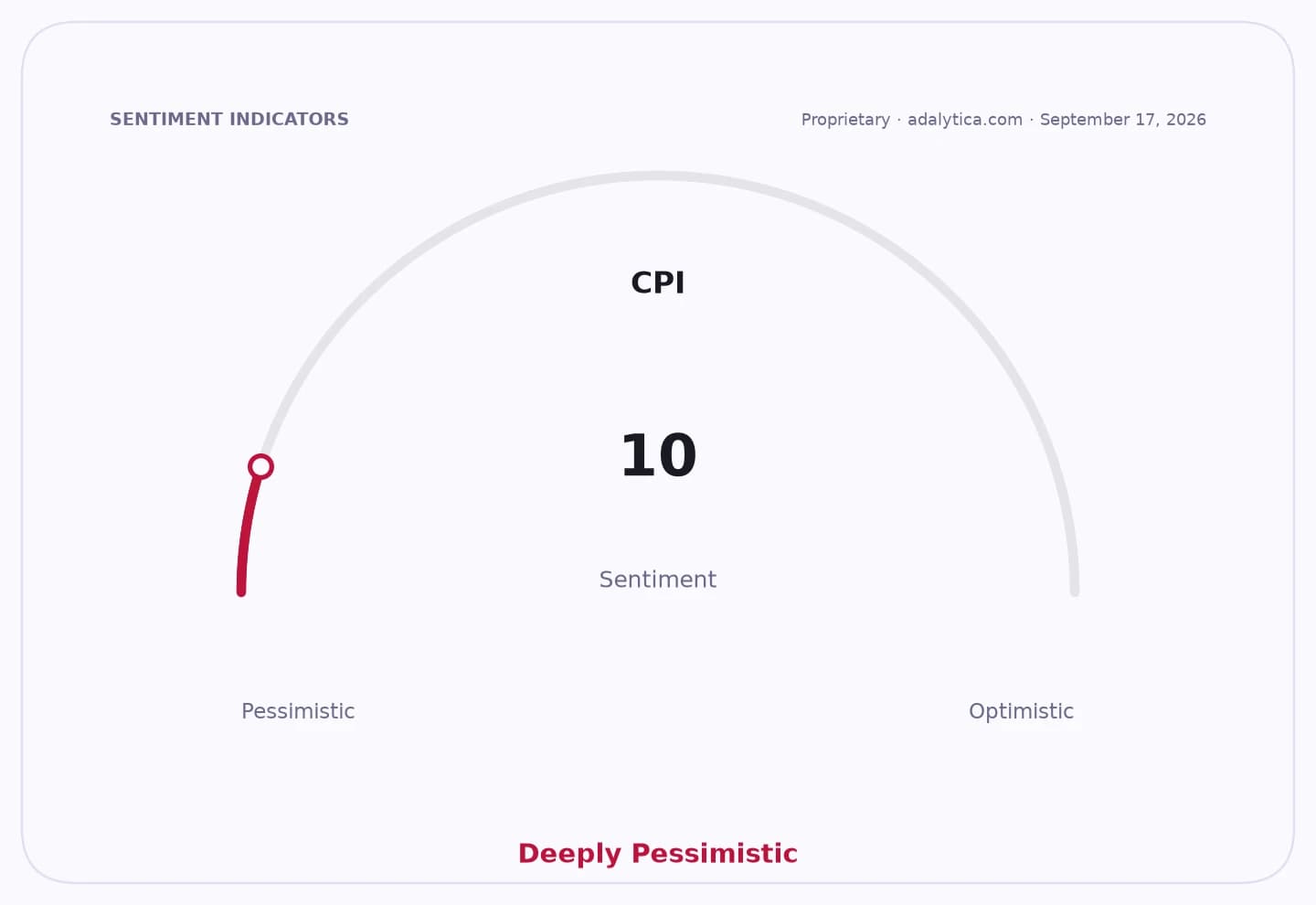
Tunisia’s inflation is approaching a psychologically important 6% threshold, raising the odds of tighter policy or a prolonged period of elevated borrowing costs just as the country heads into its 2027 budget cycle.
Tunisia Inflation Nears 6% as Policy Pressure Builds
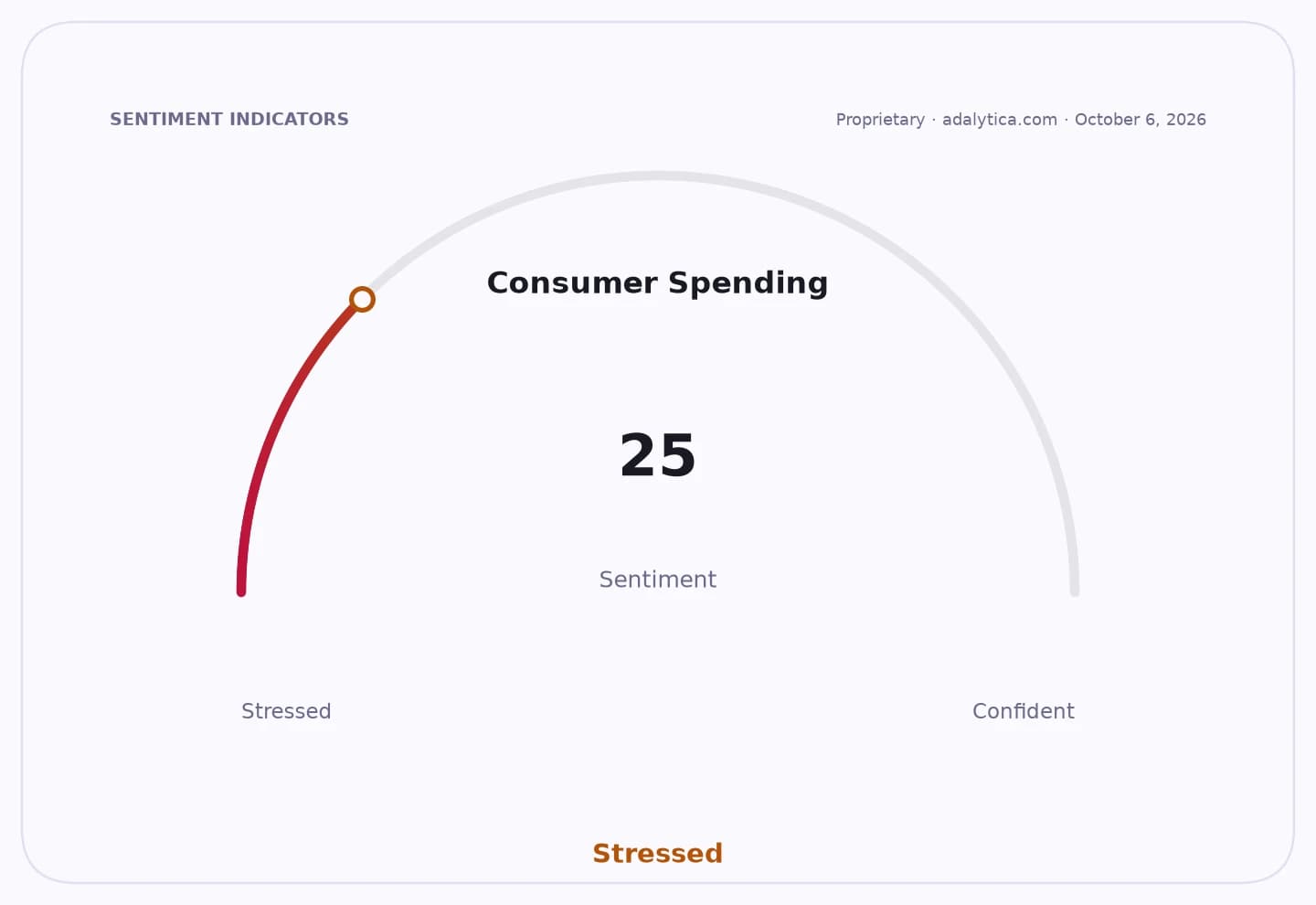
Economist Aram Belhadj said 6% inflation in early 2027 is no longer a marginal risk but the central scenario after consumer prices rose 5.6% in September, up from 5.1% in July and 5.4% in August. The acceleration matters because it suggests price pressures are still building even before any fresh fiscal or supply shocks arrive, complicating the outlook for households, businesses and the state’s financing needs.
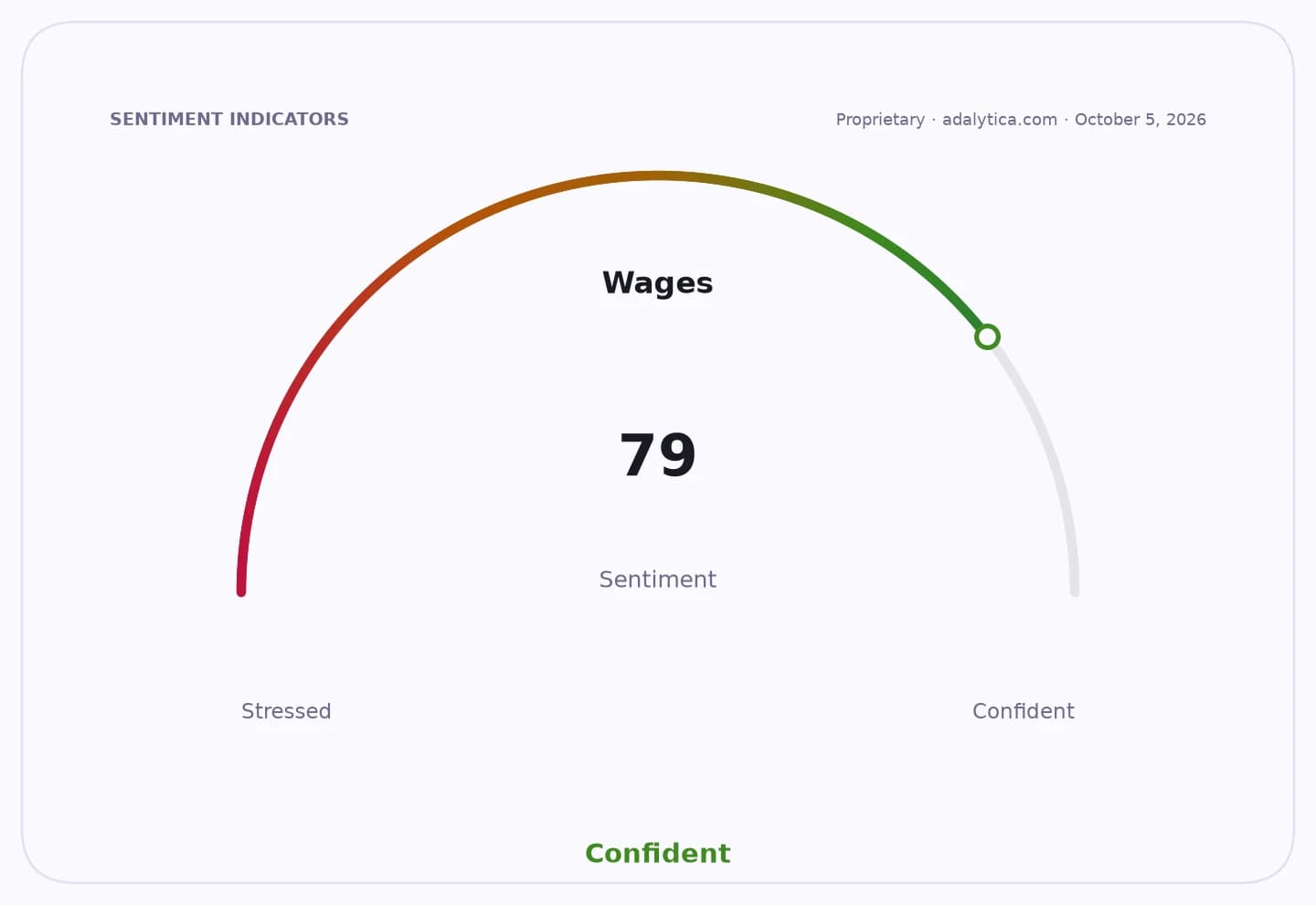
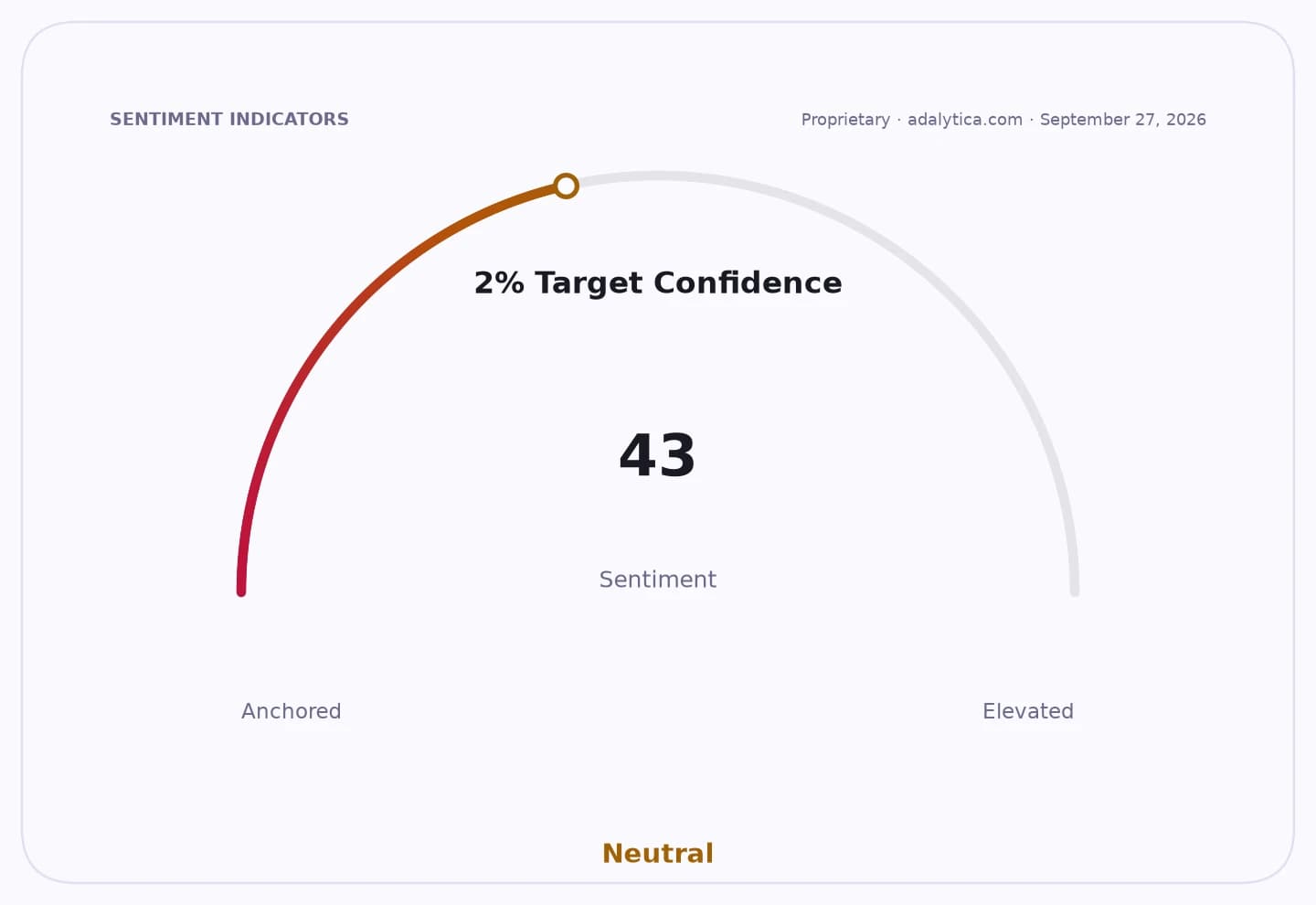
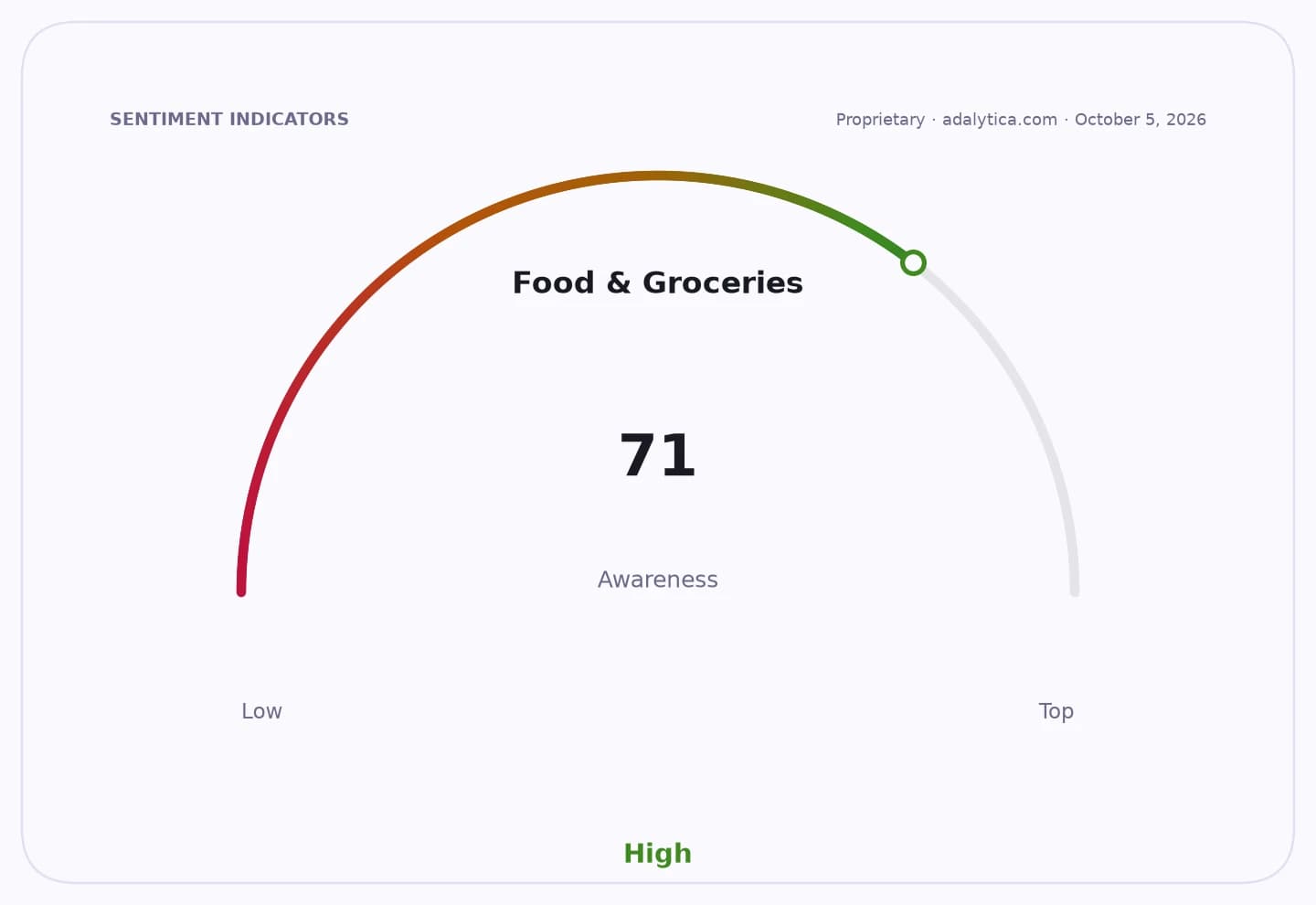
Sentiment IndicatorsⓘProprietary · adalytica.com · October 6, 2026
This is a snapshot — live sentiment, awareness and momentum for 130+ markets update continuously in the dashboard.Open AlphaPulse
Belhadj’s reading points to an economy where inflation is still being driven mainly by food and energy rather than broad demand. Core inflation, excluding food and energy, held at 4.9% for a second month, implying the shock is widening inside the food basket rather than spilling fully into generalized price growth. That distinction is important for policymakers: if inflation were driven mainly by wages and domestic demand, the central bank would face a different kind of tightening dilemma. Instead, Tunisia is dealing with a mix of imported costs, subsidized prices and persistent regional tensions.
The sharpest structural warning is the gap between freely priced food items, up 9.4%, and regulated items, up just 0.2%. That divergence suggests the official price cap system is absorbing part of the shock, but at a rising hidden fiscal cost. In other words, inflation is not disappearing; some of it is being shifted onto the public balance sheet. That matters for a country already under pressure to contain deficits, protect purchasing power and avoid a sharper deterioration in consumer sentiment.
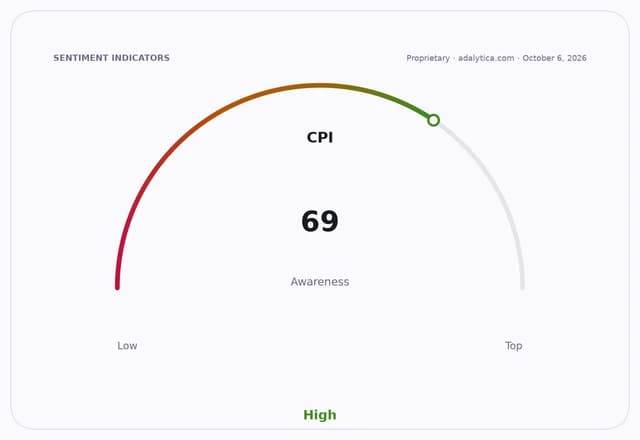
For the Central Bank of Tunisia, the numbers make it harder to justify leaving the benchmark rate unchanged at 7% for long. If inflation moves through 6% while core measures remain sticky, the central bank faces an awkward trade-off: hold rates steady and risk a further erosion in real returns, or tighten policy and deepen the strain on credit and growth. Either choice has market consequences, especially for banks, sovereign financing and domestic demand.
The investment implications are mixed. Higher inflation tends to support nominal revenue growth for some companies, especially exporters and businesses with pricing power, but it compresses margins for firms dependent on regulated inputs, imported energy or consumer spending. For bondholders, the risk is a longer stretch of real yield pressure and greater uncertainty around fiscal support measures. For equities, the read-through is more cautious: Tunisian consumers are already absorbing a larger cost of living burden, and that usually translates into weaker discretionary spending and more margin volatility for domestic retailers and manufacturers.
There is some offset from Tunisia’s external accounts, including stronger export receipts and deeper regional trade links, but those gains do not solve the immediate inflation problem. The near-term story is still one of stubborn price pressure, a fragile household backdrop and a central bank that may have less room to wait than markets would like.
| Entity | Gains | Losses |
|---|---|---|
| Savers / lira-equivalent depositors | ▲Higher nominal rates if policy tightens | ▼Lower real returns if inflation stays above rates |
| Borrowers / domestic consumers | ▲None | ▼Higher living costs and tighter credit conditions |
| Exporters / pricing-power firms | ▲Revenue uplift from higher nominal prices | ▼Imported input costs remain elevated |
| Tunisian government | ▲Delayed social unrest from regulated prices | ▼Rising hidden subsidy burden and fiscal strain |