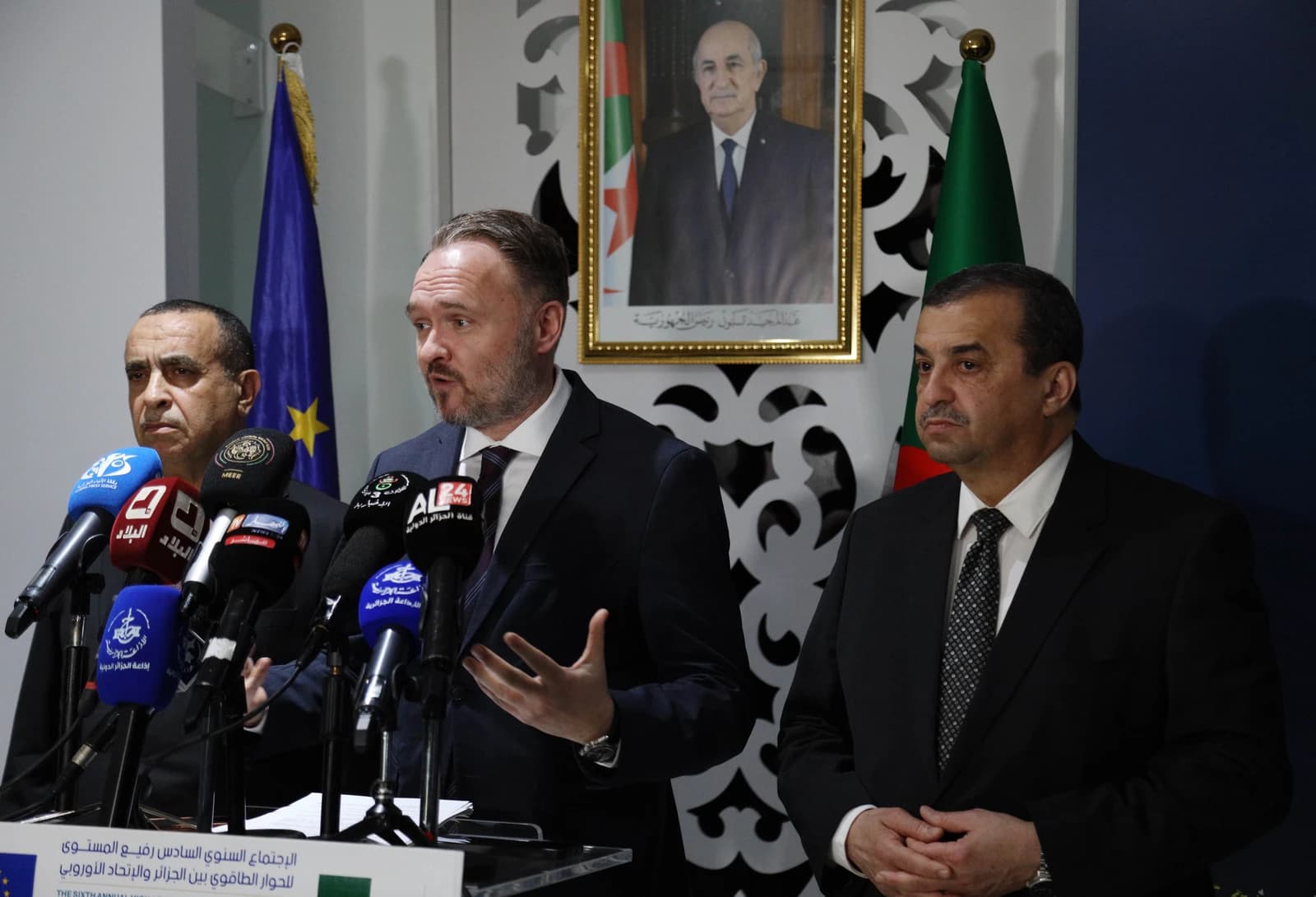
President Abdelmadjid Tebboune has doubled down on a promise to raise public-sector wages in 2027, signaling that Algeria’s biggest political priority now is not just social peace, but protecting household purchasing power in an economy still battling price pressures and supply shocks.
Algeria Plans Public-Sector Wage Raises for 2027
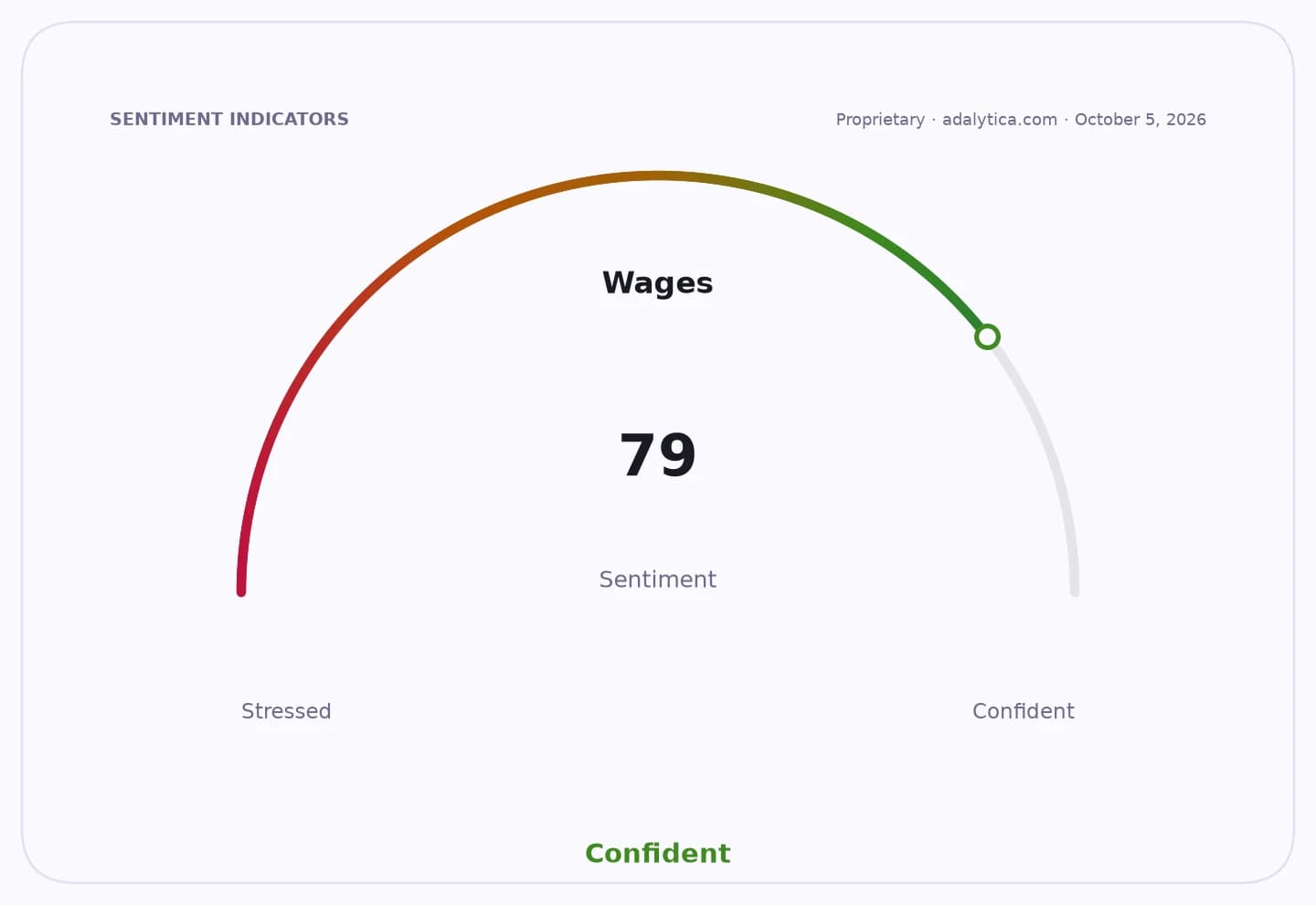
That matters because wage policy in Algeria is not a side issue — it is one of the main tools the state uses to manage living standards, public sentiment and the durability of its social contract. Tebboune said the funding for the increases will be written into next year’s budget, and repeated that he remains committed to completing 53% of the planned raises. If conditions allow, the increases will be paid in one installment; if not, they will be split into two.
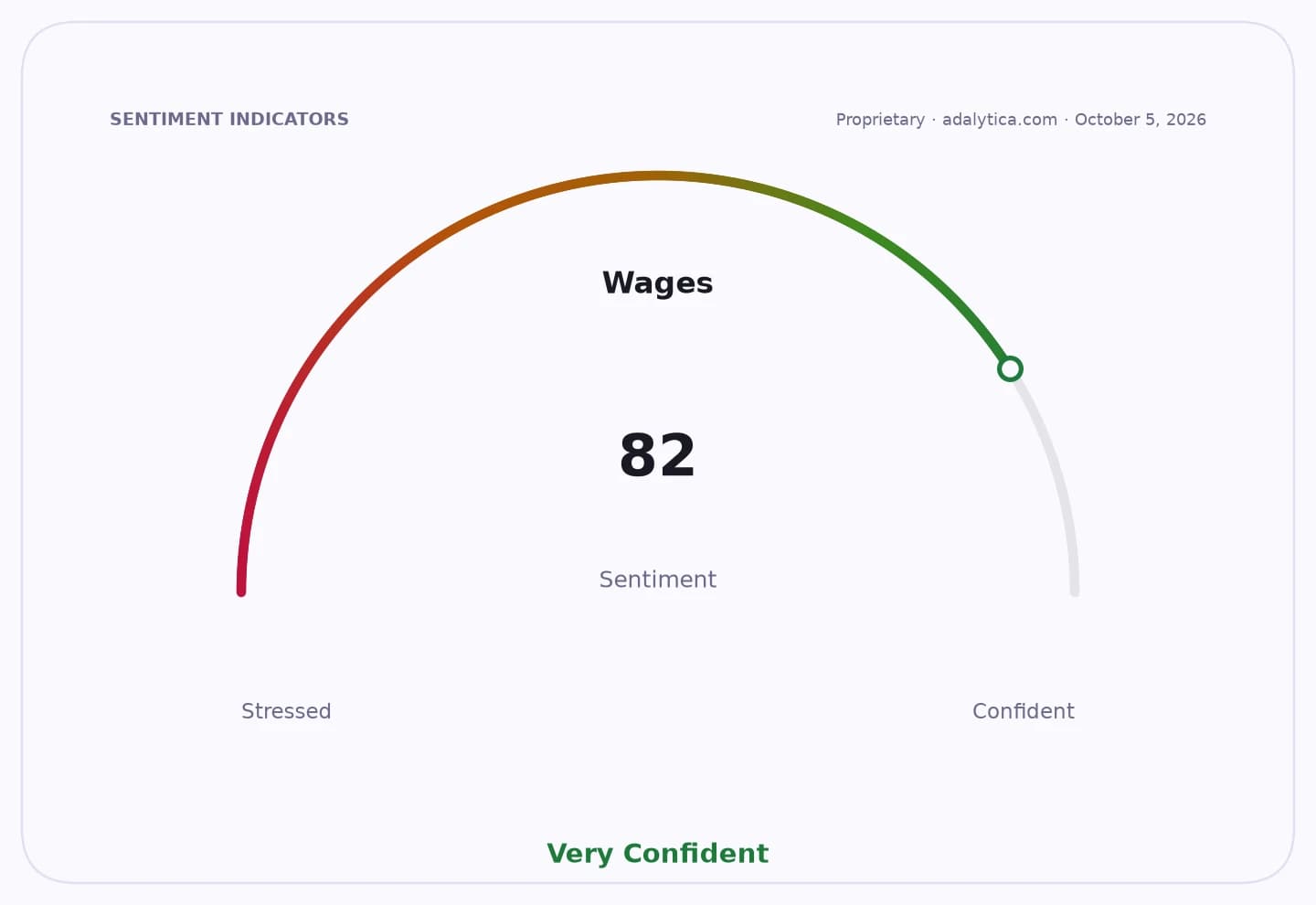
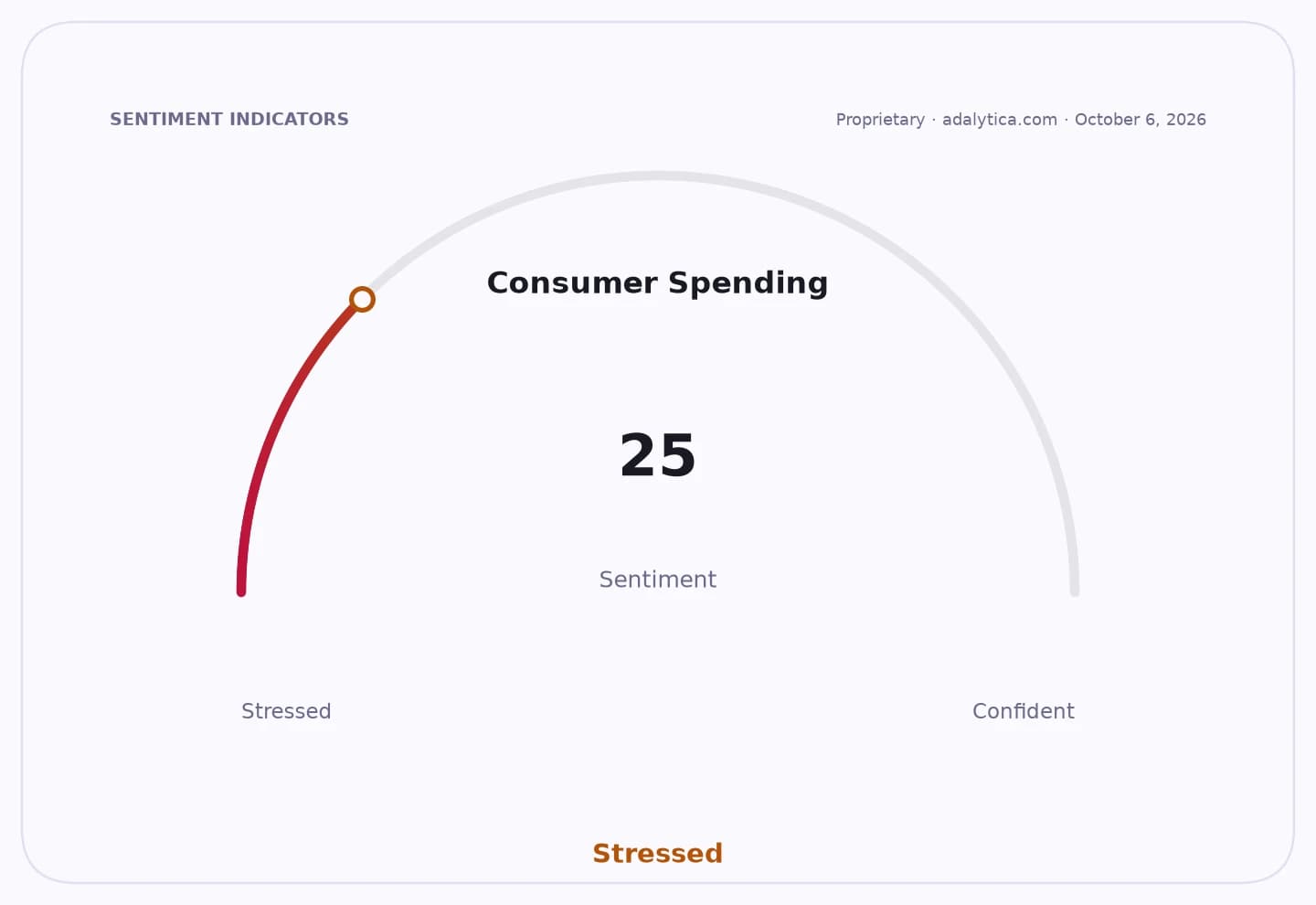
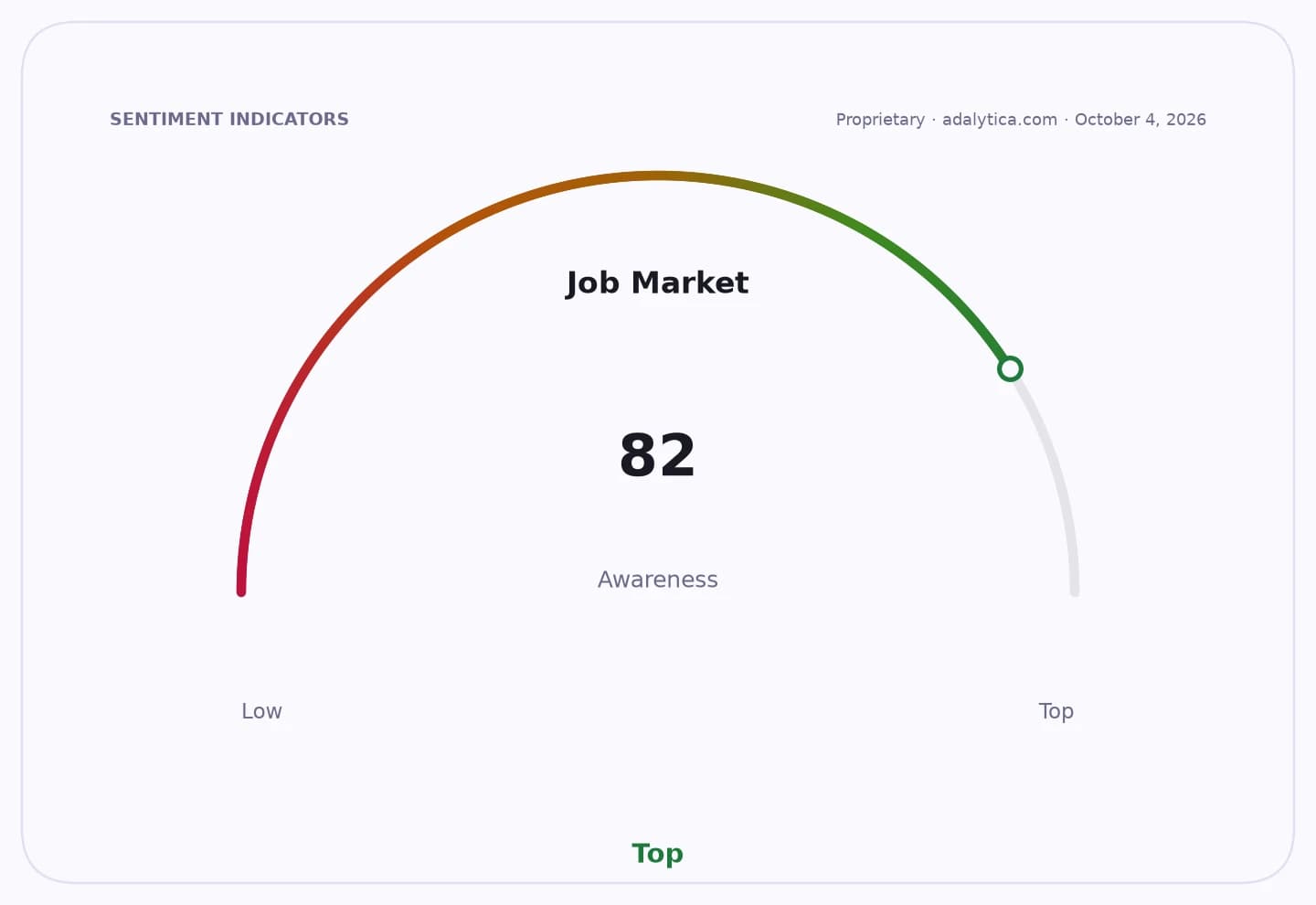
Sentiment IndicatorsⓘProprietary · adalytica.com · October 5, 2026
This is a snapshot — live sentiment, awareness and momentum for 130+ markets update continuously in the dashboard.Open AlphaPulse
For investors, the message is straightforward: Algeria is preparing for a more expansionary fiscal stance in 2027 even as it keeps the rhetoric of discipline on speculation and prices. That can support domestic demand and ease pressure on households, but it also raises questions about how much budget room the state has to absorb higher payroll costs without squeezing other spending priorities or relying more heavily on hydrocarbon revenues.
Tebboune paired the wage pledge with a sharper warning on inflation and food prices. He said protecting purchasing power is a priority and blamed “greed” and “parasites” for recent price increases, while stressing that wildfires in several provinces may have reduced supply but could not justify the scale of the price gains. He also said early inquiries suggest most farmers were not responsible, framing speculation as a “crime against the people” that the government will confront.
The economic backdrop helps explain the urgency. Algeria, like many emerging markets, is trying to cushion households from rising living costs while avoiding a wage-price spiral. The broad inflation picture remains a central risk for policymakers, and the government’s emphasis on crackdowns suggests it sees enforcement, not just income support, as part of the solution. That is a familiar playbook in commodity-dependent economies: use the budget to protect consumers while leaning on administrative controls to keep prices in check.
For long-term investors, the key question is whether this policy mix can sustain social stability without undermining fiscal flexibility. Higher wages can help consumption, retail activity and domestic demand, but they can also add to public-sector costs and create pressure for further increases later. If the state can pair the wage hike with stronger supply chains, better agricultural output and tighter anti-speculation measures, it could support a more resilient domestic economy. If not, the gains may be swallowed by inflation.
The story, then, is not just that Algeria is promising higher pay. It is that Tebboune is trying to reinforce the social bargain ahead of 2027 while keeping a lid on prices — a balancing act that will shape fiscal policy, household spending and investor confidence in the year ahead.
| Entity | Gains | Losses |
|---|---|---|
| Algerian households | ▲Higher paychecks | ▼Slower policy restraint |
| Government | ▲Social stability | ▼Fiscal flexibility |
| Domestic consumers | ▲Better purchasing power | ▼Higher inflation risk |
| Speculators/price gougers | ▲None | ▼Tougher crackdowns |