Greece’s 2027 draft budget is built around a rare combination of faster growth, a still-solid primary surplus and fresh tax cuts, a mix that keeps the country on a path of fiscal repair while trying to soften the pressure on households, workers and small companies.
Greece 2027 Draft Budget Targets Growth, Debt Reduction
That matters because the headline numbers suggest Athens believes it can keep reducing debt even as it injects €2.27 billion of new measures into the economy. The government sees growth accelerating to 2.3% from 2% in 2026, with inflation easing to 2.6% and unemployment falling to 7.9%, the lowest since 2008. Public debt is projected to slide to 128.8% of GDP from 136.7%, while the primary surplus is seen at €9.15 billion, or 3.3% of output. For a country still carrying one of Europe’s heaviest debt burdens, that combination is the real story: fiscal discipline is being preserved even as policy turns more expansionary.
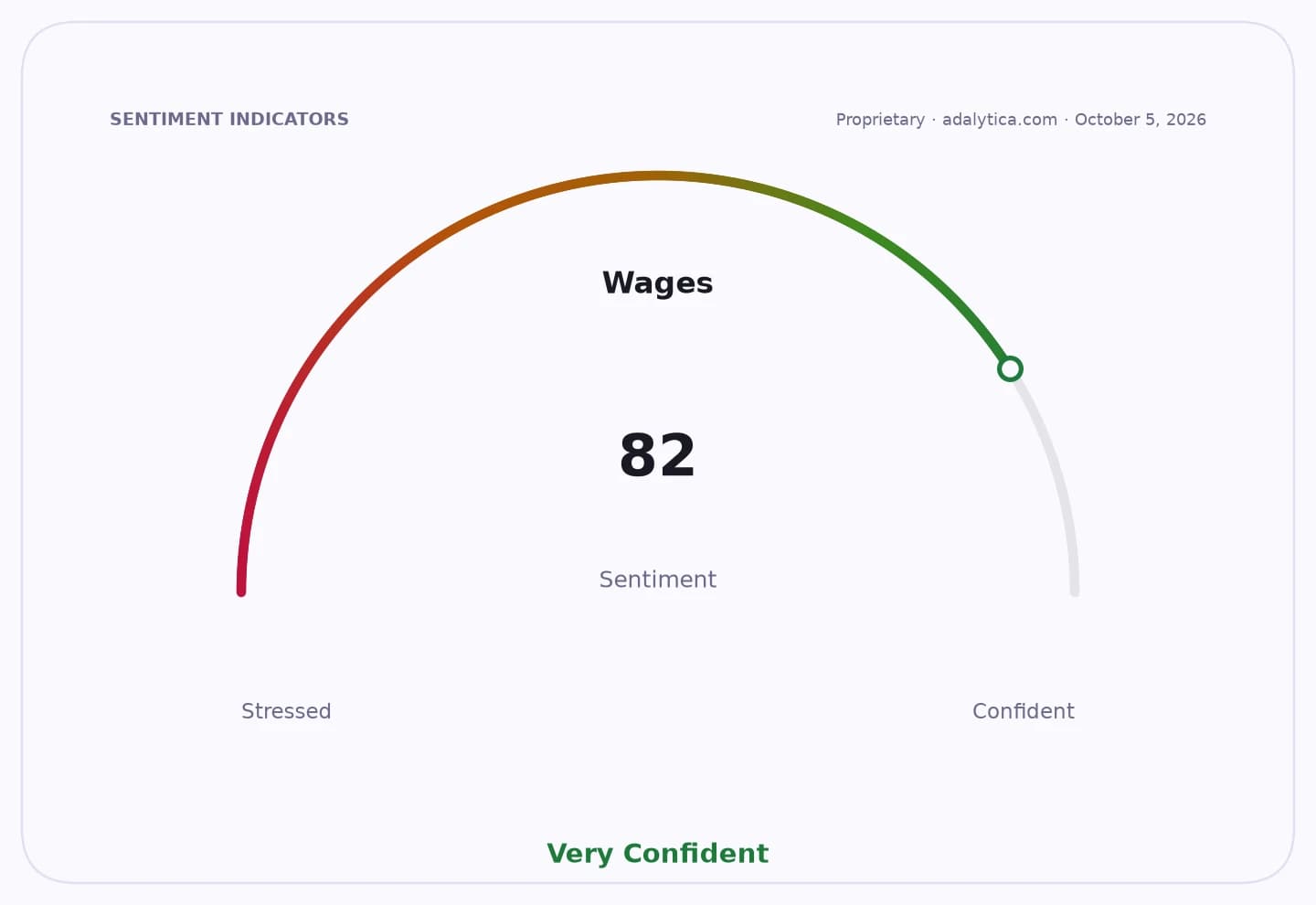
Sentiment IndicatorsⓘProprietary · adalytica.com · October 5, 2026
This is a snapshot — live sentiment, awareness and momentum for 130+ markets update continuously in the dashboard.Open AlphaPulse
For investors, the budget strengthens the case that Greece remains one of the euro zone’s more interesting macro trades. The country is still forecast to outgrow the currency bloc for a seventh straight year, with investment expected to rise 7.9% in 2027, far above the region’s 1.7% pace. That supports the bull case for Greek banks, domestic lenders, construction names, materials suppliers and listed companies leveraged to a pickup in capex and consumption. It also helps explain why the euro-facing assets linked to Greece have held up: the iShares MSCI Greece ETF, for example, has been trading above its 200-day moving average even as short-term momentum has softened.
The policy package is not just about spreadsheets. The government is cutting social security contributions by 0.5% in the private sector from April, lifting the minimum wage toward €1,000 by January 2028, raising public-sector pay, and expanding pension support. Farmers, three-child households and consistent self-employed taxpayers all get relief, while housing gets a fresh €2 billion program and small and medium-sized firms are promised a €1.5 billion lending and guarantee facility. Those measures are designed to keep domestic demand alive as recovery-fund spending fades, but they also make one thing clear: the next phase of Greece’s rebound will be driven less by emergency support and more by investment, credit growth and a gradual rise in incomes.
The budget’s optimism comes with a caveat. It assumes lower energy prices, even as the government explicitly flags geopolitical risk, trade disruptions and renewed stress in energy markets. That is the main vulnerability for the thesis. If oil and gas costs rise again, inflation could stay sticky and the fiscal arithmetic would get less comfortable. But if energy eases and European rates continue to stabilize, Greece enters 2027 with the kind of policy mix markets usually reward: falling debt ratios, surplus generation, targeted stimulus and a still-cheaper equity market than the story deserves.
In our view, the market continues to underestimate the second-order winners of this setup. The clearest beneficiaries are Greek banks, builders, infrastructure-related stocks, housing-linked names and domestic consumption plays; the losers are the holders of a simple “high debt equals high risk” narrative that no longer fits the trajectory in the data. If Athens delivers even close to these numbers, Greece should remain a relative-growth story inside Europe, not a value trap.
| Entity | Gains | Losses |
|---|---|---|
| Greek government | ▲Lower debt ratio, surplus credibility | ▼Less fiscal room if energy spikes |
| Greek banks and domestic cyclicals | ▲Faster growth, more lending, stronger demand | ▼Yield-compression if growth disappoints |
| Households and workers | ▲Lower payroll taxes, higher wages, pension support | ▼Inflation if energy shocks return |
| Bond bears | ▲— | ▼Fiscal-decline thesis, sovereign spread upside |