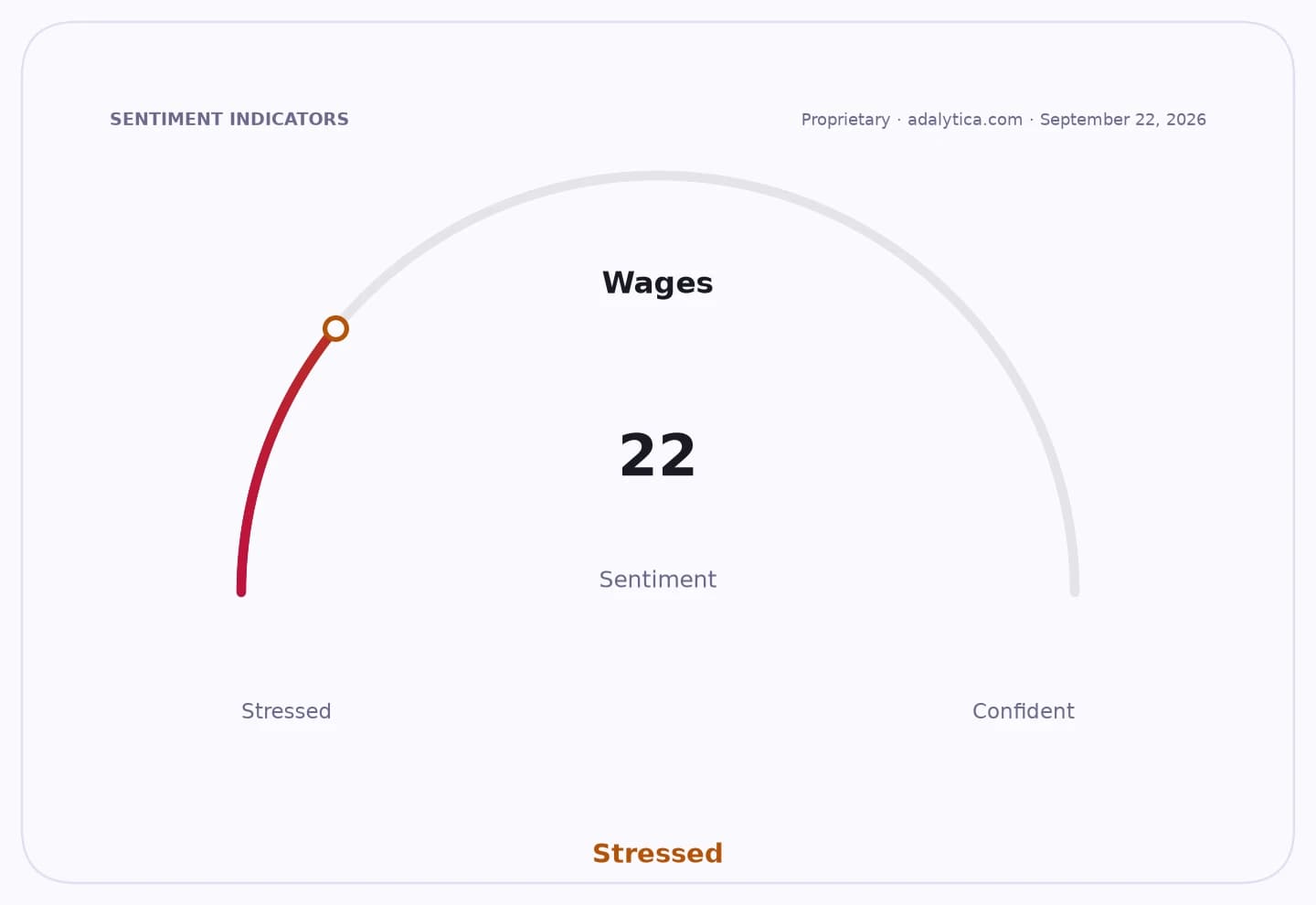
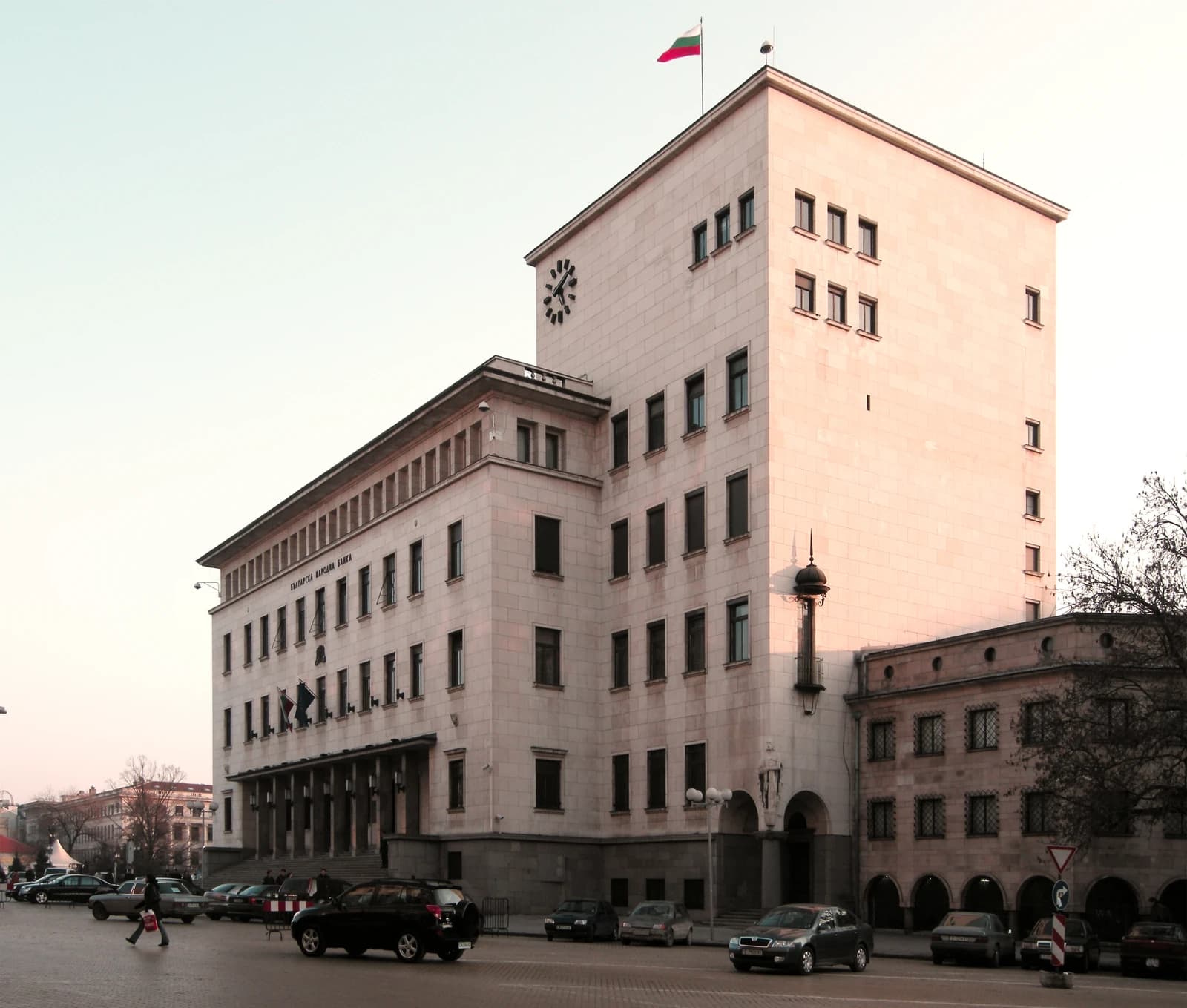
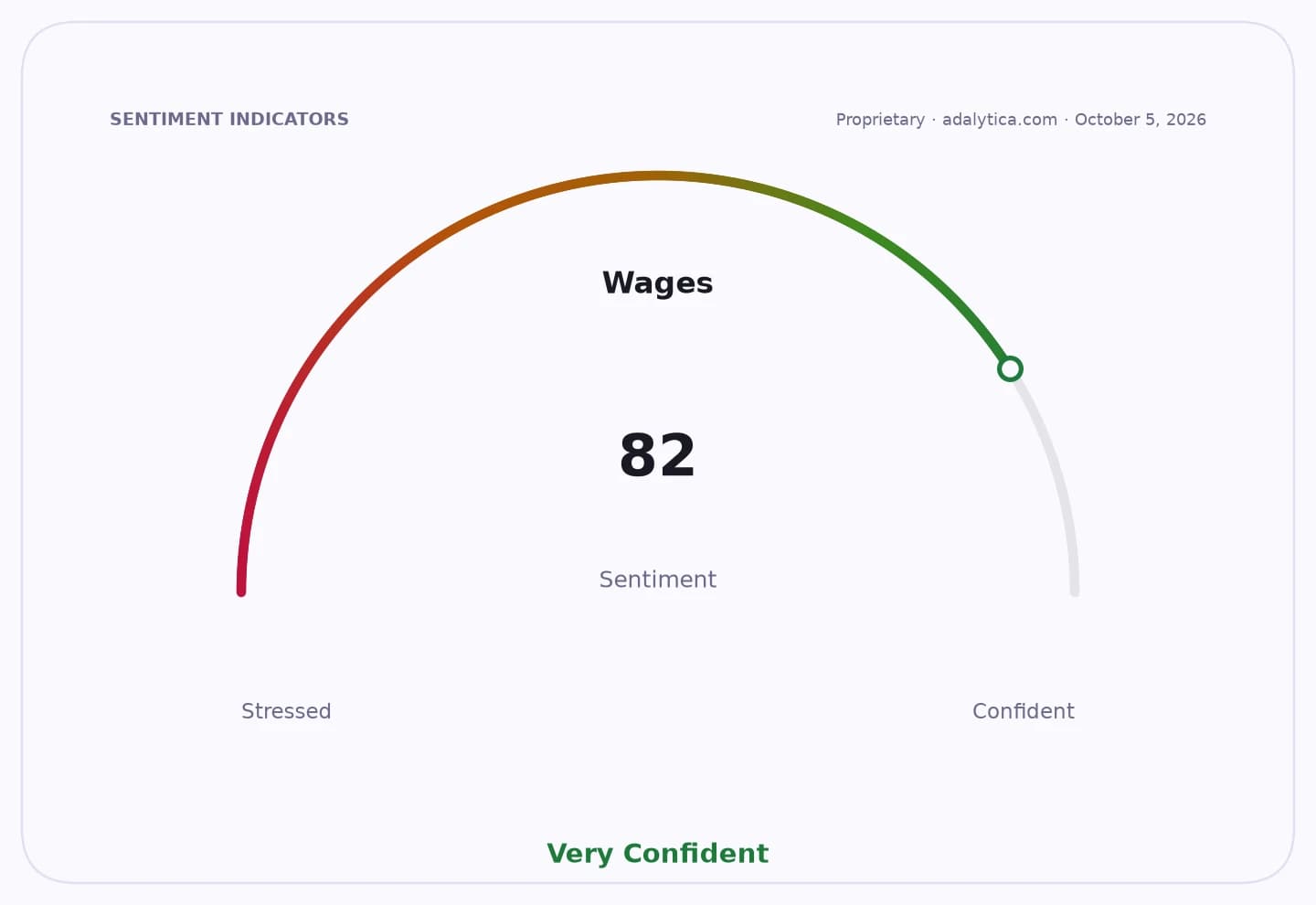
Bulgaria’s drive toward a 5.7% budget deficit is emerging as the key economic battleground, with Finance Minister Galab Donev pinning higher living costs on a mix of geopolitics, euro-adoption speculation and wage growth while defending fresh borrowing as necessary to fund pensions, salaries and state spending.
Bulgaria Deficit Target, Inflation, and Bank Levy
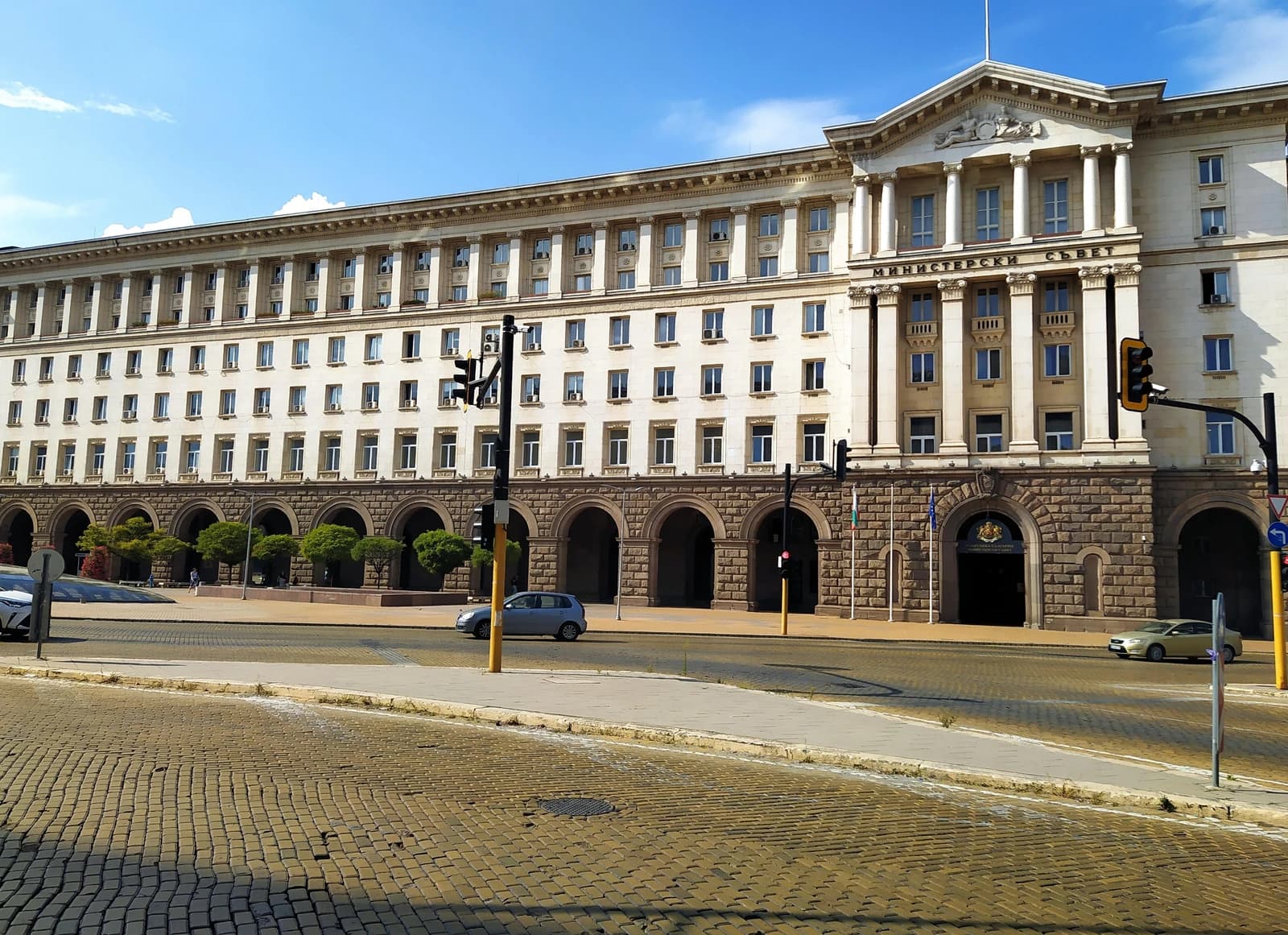
That matters because the gap between the current 2.8% deficit and the year-end target implies a heavy spending push in the final months, increasing the stakes for inflation, sovereign financing needs and investor confidence in fiscal discipline. Donev said the government will use the borrowed money to cover social payments, infrastructure outlays and euro-program obligations, while also trying to avoid pushing expenses into next year.
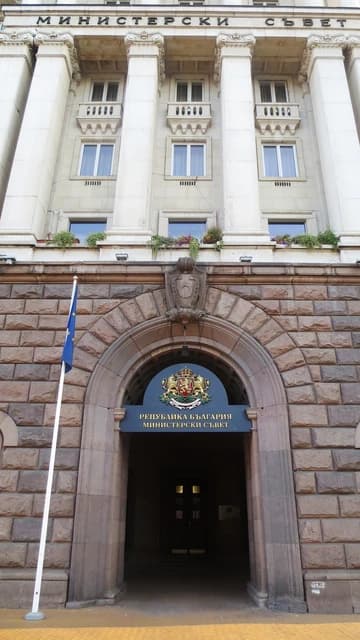
The political argument is central to the economic one. Donev blamed the earlier administration for failing to contain speculation around euro adoption, singled out services inflation as a major driver and pointed to fuel costs after the conflict involving the US and Iran lifted oil products. He also said wage and labor-cost growth are feeding broader price pressures, even as the government argues that higher pensions and salaries were needed.
For investors, the key issue is whether Bulgaria can reach the budgeted deficit without unsettling markets or forcing sharper financing later. A 5.7% shortfall is materially wider than the current reading and suggests a more expansionary fiscal stance just as inflation remains sensitive to imported energy costs and domestic wage growth. That combination can support consumption and politically popular spending, but it also risks keeping prices sticky and testing the credibility of fiscal targets.
Donev also confirmed expectations of roughly 1 billion euros in revenue from a bank excess-profits levy, signaling that the government intends to lean on the financial sector as part of its funding mix. At the same time, he warned that a clampdown on gambling advertising could create a black market, underscoring the balancing act between social policy and revenue collection.
The broader narrative is that Bulgaria is entering a period in which fiscal policy, inflation and political accountability are converging. If the government succeeds in hitting the higher deficit target, it will validate the case for front-loaded spending and borrowing. If price pressures intensify or revenues disappoint, the debate over who is responsible for inflation and how much fiscal room Sofia really has will only sharpen into year-end.
| Entity | Gains | Losses |
|---|---|---|
| Bulgarian government | ▲More room to spend | ▼Harder fiscal credibility test |
| Pensioners and public workers | ▲Higher payments | ▼Inflation erosion |
| Banks | ▲Less direct tax surprise risk if levy is limited | ▼Excess-profit tax hit |
| Consumers | ▲Support from wages and transfers | ▼Higher fuel and services costs |