Five of Europe’s top leaders are using the debate over the European Union’s next long-term budget to argue that the bloc’s answer to a more dangerous world cannot be blanket spending increases alone, but a sharper allocation of scarce resources toward defense, competitiveness and productivity.
EU Leaders Push Budget Reallocation Toward Defense
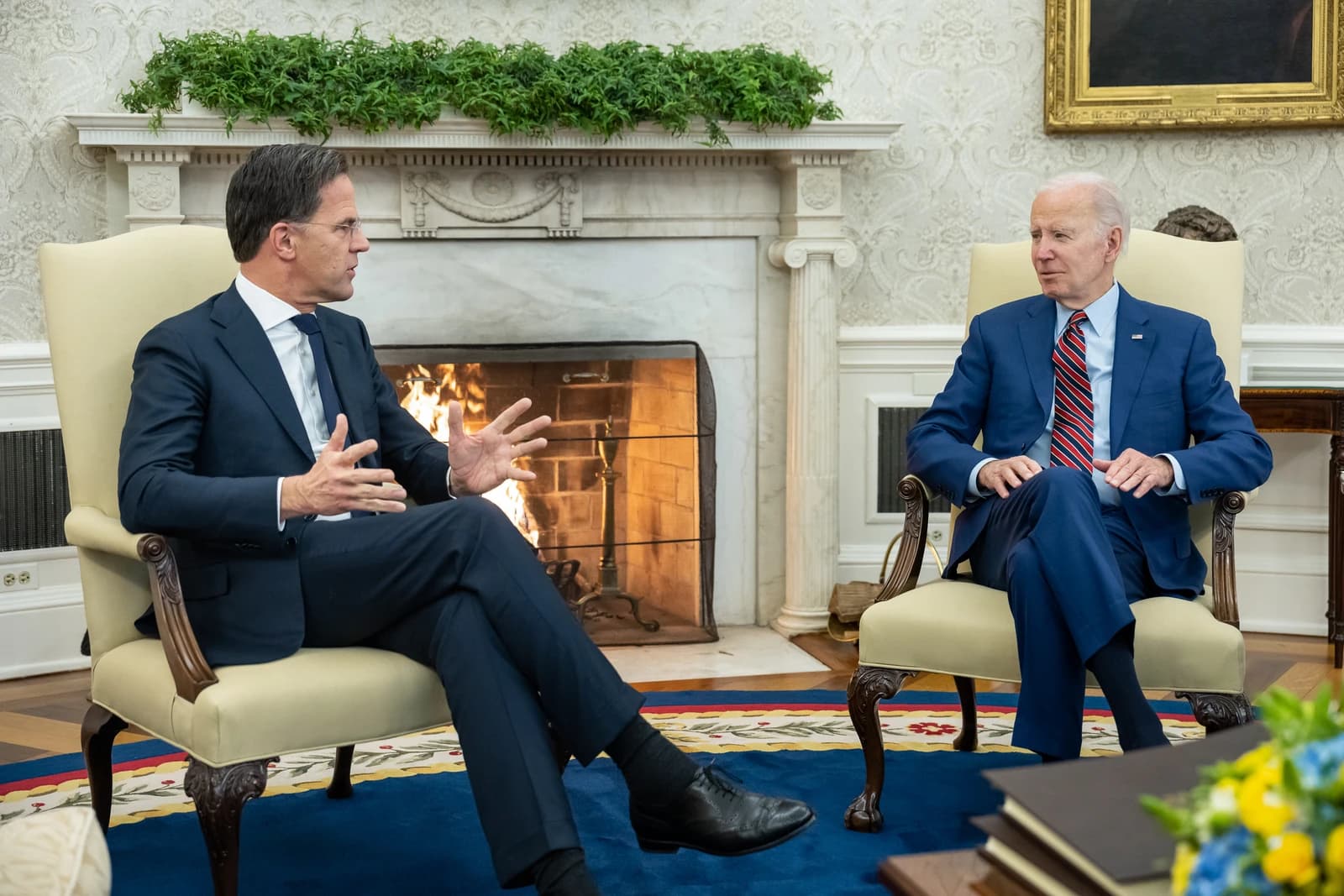
The warning from Denmark’s Mette Frederiksen, Germany’s Friedrich Merz, the Netherlands’ Rob Jetten, Austria’s Christian Stocker and Finland’s Petteri Orpo lands at a moment when Europe is trying to reconcile higher security demands with tighter fiscal room, slower growth and rising borrowing costs. Their message is politically simple but economically consequential: the EU’s next Multiannual Financial Framework will not just decide how much the bloc spends, but whether it can retool its budget for an era in which capital is more expensive, priorities are multiplying and the return on each euro matters more.
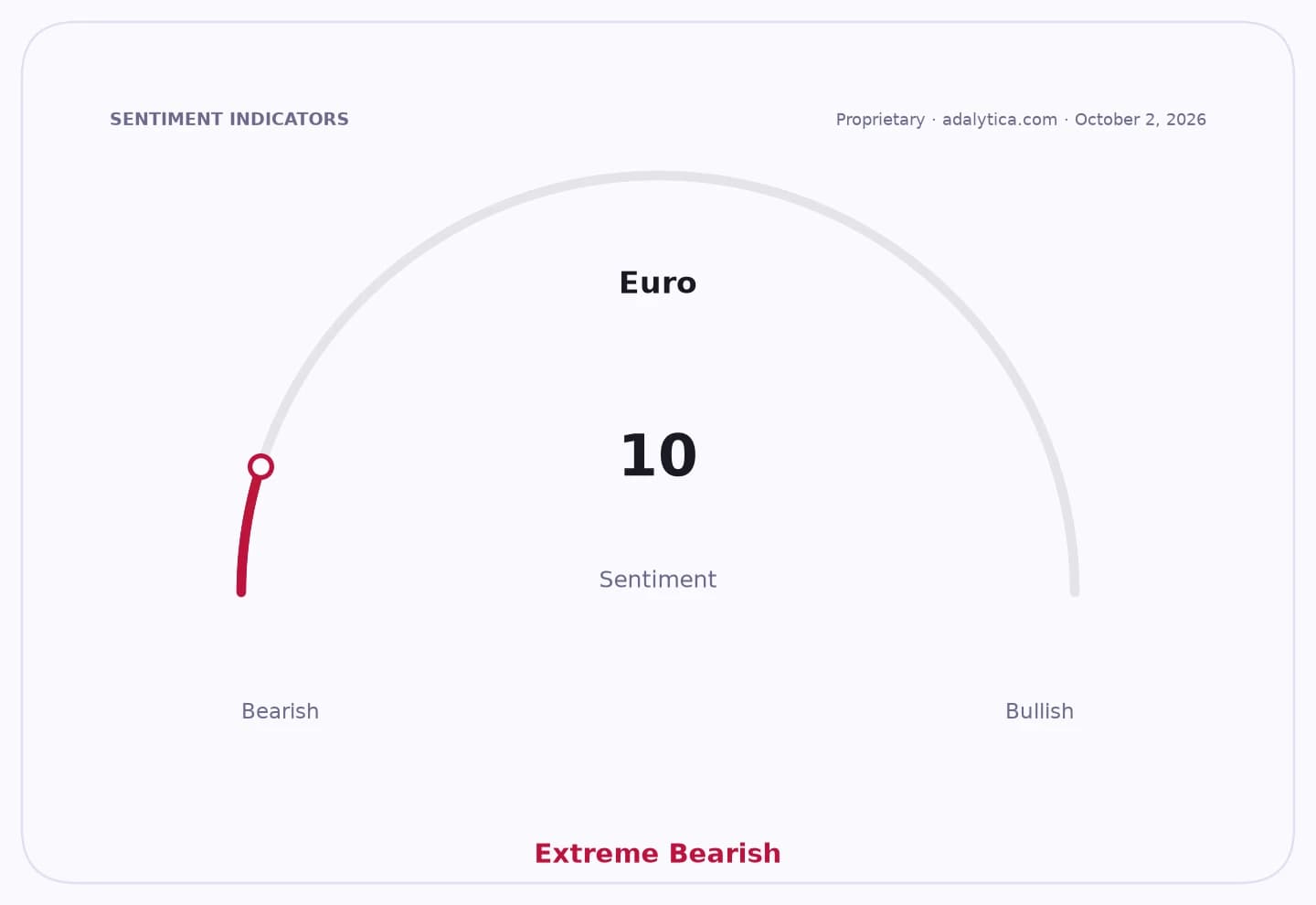
Sentiment IndicatorsⓘProprietary · adalytica.com · October 3, 2026
This is a snapshot — live sentiment, awareness and momentum for 130+ markets update continuously in the dashboard.Open AlphaPulse
That matters because Europe is entering the next budget cycle with structural constraints that did not define earlier rounds of EU spending. Elevated German and US yields have lifted financing costs across developed markets, while the euro remains under pressure, trading around $1.13 and below both its 50-day and 200-day moving averages. In markets, that combination usually reflects expectations of slower growth, a firmer dollar and less room for wasteful fiscal expansion. The message from the five leaders therefore resonates beyond Brussels: Europe may need to spend more on security and resilience, but if it does so without reallocating from lower-return programs, it risks weakening its own fiscal credibility and crowding out investment that could lift long-run growth.
Investors are likely to read the statement as a signal that the EU is moving toward a more selective fiscal model, one that favors strategic industrial policy, defense supply chains, energy security and innovation over broad-based budget growth. That could benefit companies and sectors tied to European rearmament, infrastructure modernization and productivity upgrades, while putting pressure on legacy beneficiaries of the current budget structure if funds are diverted. It also supports the view that European equity exposure may continue to outperform only where earnings are linked to efficiency gains and public-private investment, rather than to domestic demand alone.
The market backdrop reinforces the theme. European ETFs such as VGK and IEV have pulled back from earlier highs, with both now trading below key 50-day averages and showing weaker momentum by conventional technical measures such as RSI and MACD. That does not in itself point to a policy shock, but it does reflect a market that is more cautious about Europe’s growth outlook and more sensitive to any sign that fiscal policy may be constrained. If the EU can redirect existing resources more effectively, it could improve the region’s medium-term investment case without forcing a politically difficult jump in total spending.
The leaders’ intervention also underlines the politics behind the budget fight. The next Multiannual Financial Framework will shape the bloc well into the next decade, making it a contest not only over money but over Europe’s economic model: whether the EU remains a redistribution machine or becomes a more targeted platform for competitiveness. For Germany, the Netherlands, Austria, Denmark and Finland, the argument is that Europe must avoid the trap of funding every new ambition by simply layering it onto old commitments. For proponents of a larger budget, the risk is that “spend better” becomes shorthand for underfunding key common goals.
For investors, the key question is whether this debate produces credible reprioritization or just another round of fiscal rhetoric. If European capitals agree on sharper spending discipline, the region could emerge with a more growth-supportive budget architecture and stronger support for sectors linked to innovation and security. If they cannot, Europe risks entering the next decade with bigger promises, tighter budgets and weaker economic momentum.
| Entity | Gains | Losses |
|---|---|---|
| EU defense and industrial firms | ▲Higher strategic funding | ▼Legacy budget beneficiaries |
| Fiscal hawks in EU capitals | ▲Greater budget discipline | ▼Broad-based spending advocates |
| European equities tied to productivity | ▲More targeted investment | ▼Low-return public spending areas |
| Eurozone growth outlook | ▲Better capital allocation | ▼Confidence in fiscal flexibility |