Romania’s fiscal imbalance has become so large that a top central bank adviser says the state would need about 60 billion euros in a single year — a sum he likened to the annual wages of the country’s 5.1 million employees — to cover its financing needs.
Romania fiscal gap seen near 60 billion euros

That warning matters because it frames Romania’s budget deficit not as a technical policy problem but as a macroeconomic stress test for the state itself. A financing requirement on that scale points to a government that is still dependent on markets, external capital and continued confidence to roll over debt and fund spending. For investors, the issue is not just the size of the hole, but the risk that borrowing costs rise, fiscal flexibility shrinks and policy choices become more constrained just as growth slows and inflation remains a concern.
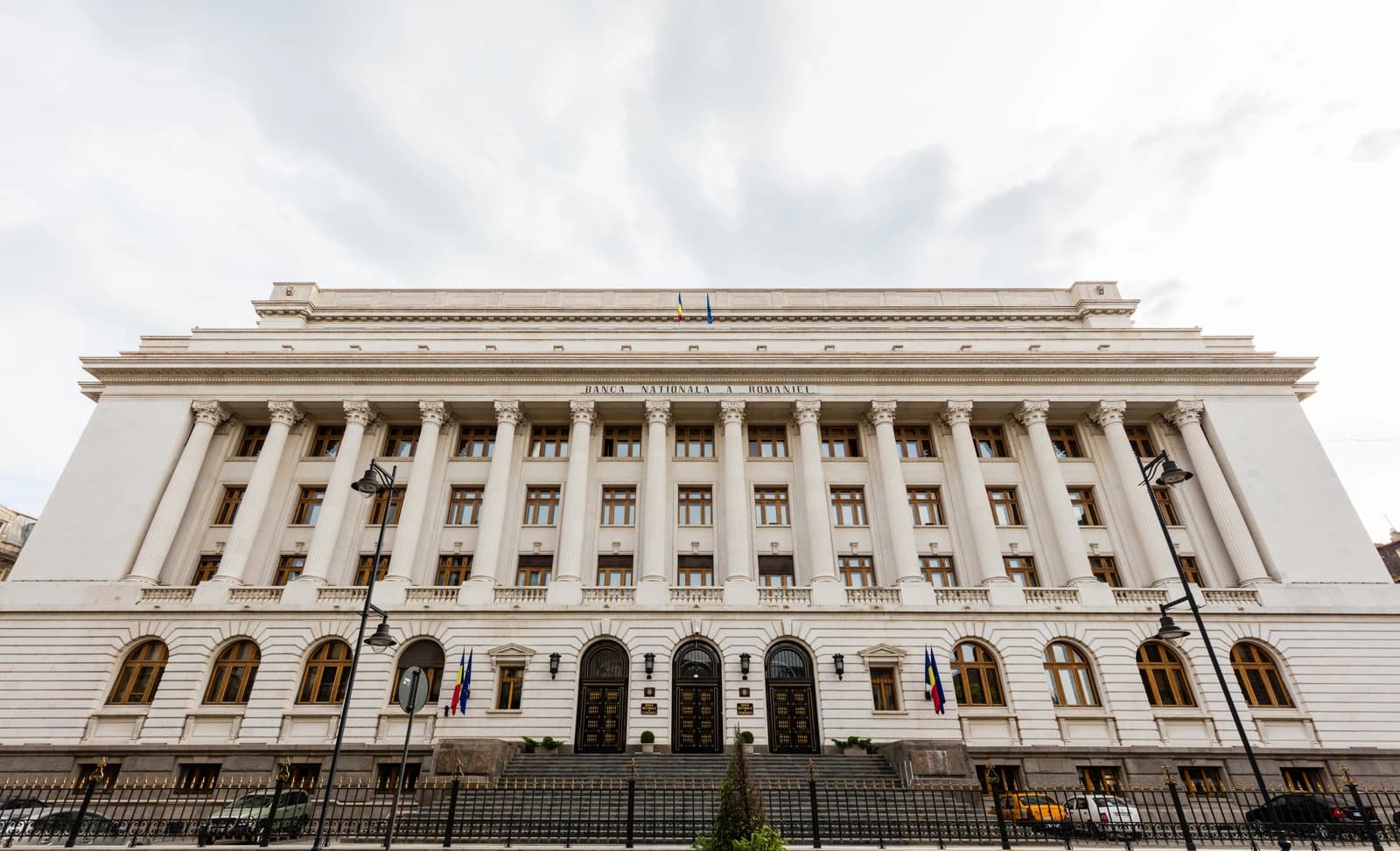
The comment from Eugen Rădulescu, adviser to National Bank of Romania Governor Mugur Isărescu, underscores how deeply the deficit debate has penetrated Romania’s policy establishment. It also reflects a broader anxiety that the country’s public finances are moving into territory where incremental fixes may no longer be enough. If financing needs continue to widen, the government may face a harsher combination of higher yields, a weaker currency and pressure to cut spending or raise taxes more aggressively.
That would have consequences beyond Bucharest. Romania is one of the larger economies in central and eastern Europe, and a loss of fiscal credibility there would matter for regional risk sentiment. It could also complicate the central bank’s job by forcing it to weigh inflation control against the fallout from tighter fiscal policy and weaker domestic demand. Markets have already shown how sensitive they are to deficit stories across Europe, with investors increasingly distinguishing between governments that can stabilise debt and those that struggle to do so.
The political challenge is that closing such a gap is economically painful. Austerity would weigh on consumption and investment, while delay risks a larger eventual adjustment. That is why the adviser’s comparison to wage income is politically charged: it conveys that the scale of the problem is now national, not merely budgetary. For bondholders, the key question is whether Romania can produce a credible consolidation plan before markets force the issue through higher financing costs.
What happens next will depend on whether policymakers move from rhetoric to measurable spending restraint and revenue measures. If they do not, the financing requirement itself may become the story, with each new auction or deficit update read as another test of whether Romania can fund itself on acceptable terms.
| Entity | Gains | Losses |
|---|---|---|
| Romanian government reformers | ▲Credibility from action | ▼Political room for delay |
| Bond investors | ▲Higher yields if risk rises | ▼Prices if deficits stay wide |
| Taxpayers | ▲Potentially steadier finances later | ▼Near-term tax or spending pain |
| Romania’s economy | ▲Lower risk if consolidation succeeds | ▼Growth if austerity deepens |