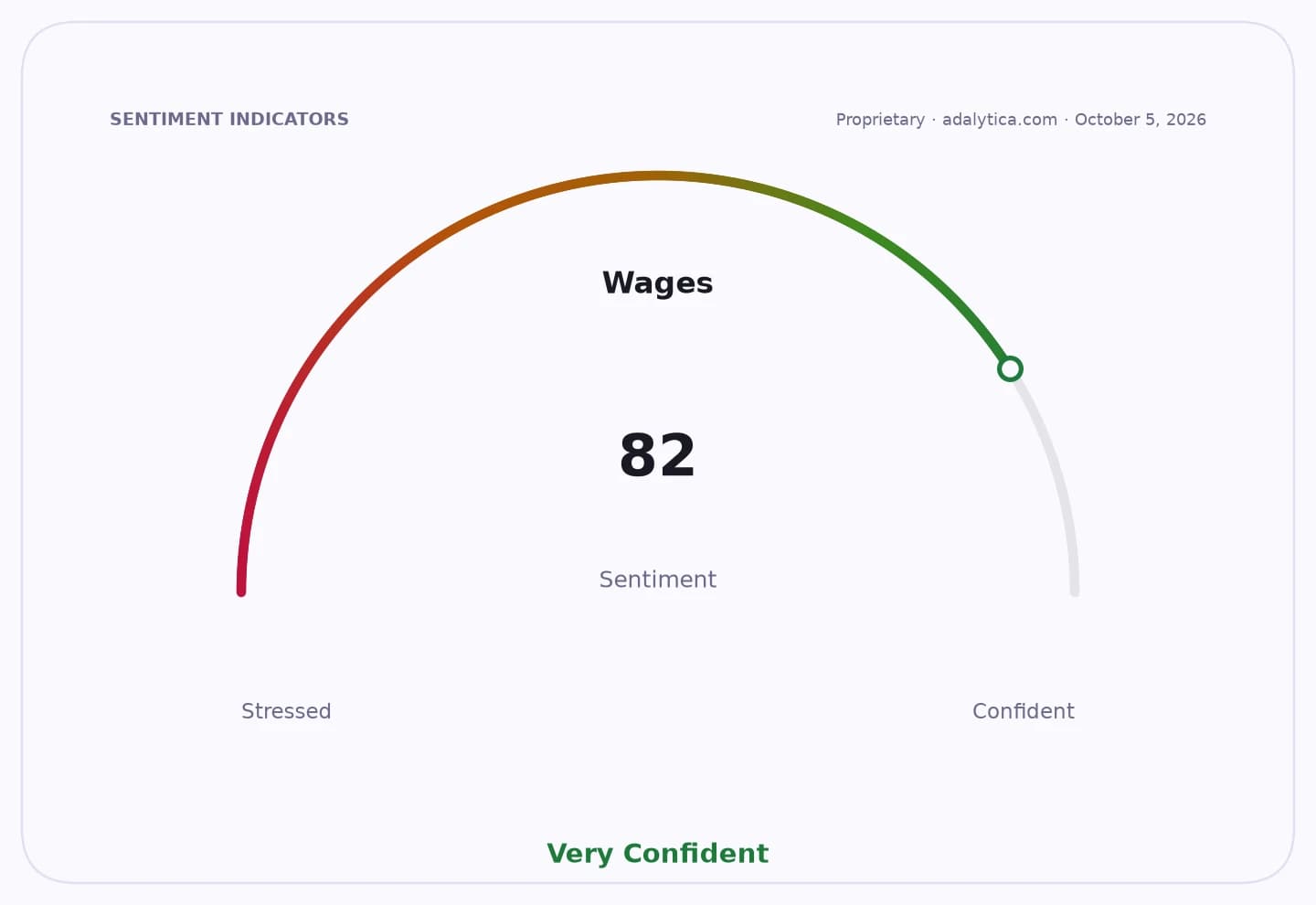
Eurostat’s September reading of 5.1% inflation in Greece abruptly changed the tone on the Athens exchange, triggering a late-session selloff in banks and blue chips even as broader European markets were firmer on softer U.S. jobs data.
Greece Inflation 5.1% Hits Athens Banks

The inflation print matters because it keeps the pressure on domestic borrowing costs and strengthens the case for the European Central Bank to stay cautious on policy, a combination that can hit rate-sensitive Greek assets even when global risk sentiment is improving. Greece’s 10-year yield was at 4.493% in afternoon trade, underscoring that investors are still demanding a meaningful premium for local paper despite signs of easing U.S. rate pressure.
Sentiment IndicatorsⓘProprietary · adalytica.com · October 5, 2026
This is a snapshot — live sentiment, awareness and momentum for 130+ markets update continuously in the dashboard.Open AlphaPulse

The General Index held in positive territory until noon, but the Eurostat announcement flipped the market structure, with sellers taking control and pushing the benchmark to an intraday low of 2,621 points shortly before 3:30 p.m. Losses were trimmed in the closing auction, but the day still left a clear message: in a market where valuations have been supported by hopes of a more benign rates backdrop, a hotter-than-expected inflation reading can quickly overwhelm broader optimism.
Banks bore the brunt of the adjustment, falling 2.77% as a sector. Piraeus was the weakest of the large lenders, down 4.41%, while Cyprus bank fell 2.75%. Among other notable decliners were Allwyn, Titan, Credia and Aktor. On the upside, Cenergy, Metlen, GEK TERNA and Kri-Kri held gains, showing that defensive or idiosyncratic stock picking still worked, but breadth was poor: 73 stocks fell against 28 gainers.
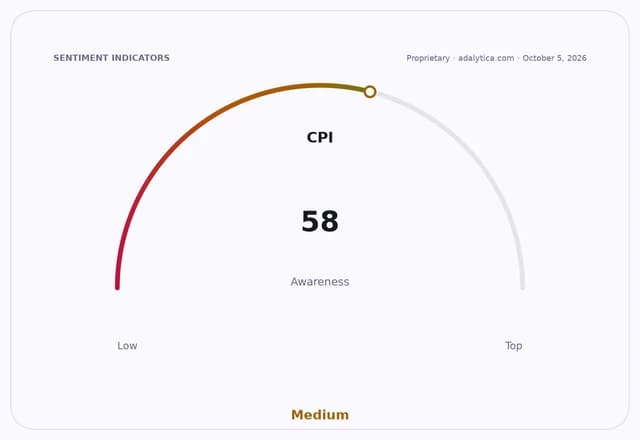
The move came against a mixed macro backdrop. European equities had edged higher after the U.S. private payroll backdrop pointed to only 29,000 new jobs in September, reinforcing bets that the Federal Reserve would keep rates steady at its October meeting. That helped global risk assets, but Greece’s inflation surprise pulled Athens in the opposite direction by reviving concerns that local prices and financing conditions may stay tight longer than investors had hoped.
For investors, the key question is whether this is a one-day repricing or the start of a broader reassessment of Greek cyclicals and lenders. Higher inflation can support nominal revenues for some companies, but it also raises wage, funding and discount-rate pressure, which typically hits banks first and can compress equity multiples across the market. With the sovereign curve still elevated and the ECB’s next moves in focus, the market is likely to remain sensitive to any further data that suggest Greece is proving stickier on prices than the rest of the euro area.
Wednesday’s 3-month Treasury bill auction by the Public Debt Management Agency will offer another read on domestic funding appetite, while U.S. third-quarter earnings from PepsiCo, Delta Air Lines, Levi Strauss and Constellation Brands will help shape the global risk backdrop. For now, the Athens market has taken Eurostat’s inflation print as a warning that the path to easier policy — and a cleaner rally in Greek financials — may be slower than hoped.
| Entity | Gains | Losses |
|---|---|---|
| Greek banks | ▲N/A | ▼Higher rates, margin pressure |
| Greek exporters | ▲Pricing power, nominal revenues | ▼Input costs, demand risk |
| Greek government debt | ▲N/A | ▼Higher yield premium |
| Athens blue chips | ▲Selective rotation | ▼Broad de-risking |