Greece’s political argument over “patriotic” policy and sovereign rights may be a local fight, but for investors it lands in a very familiar place: risk appetite for Greek assets remains fragile.
Greece GREK ETF Slips as Political Risk Stays
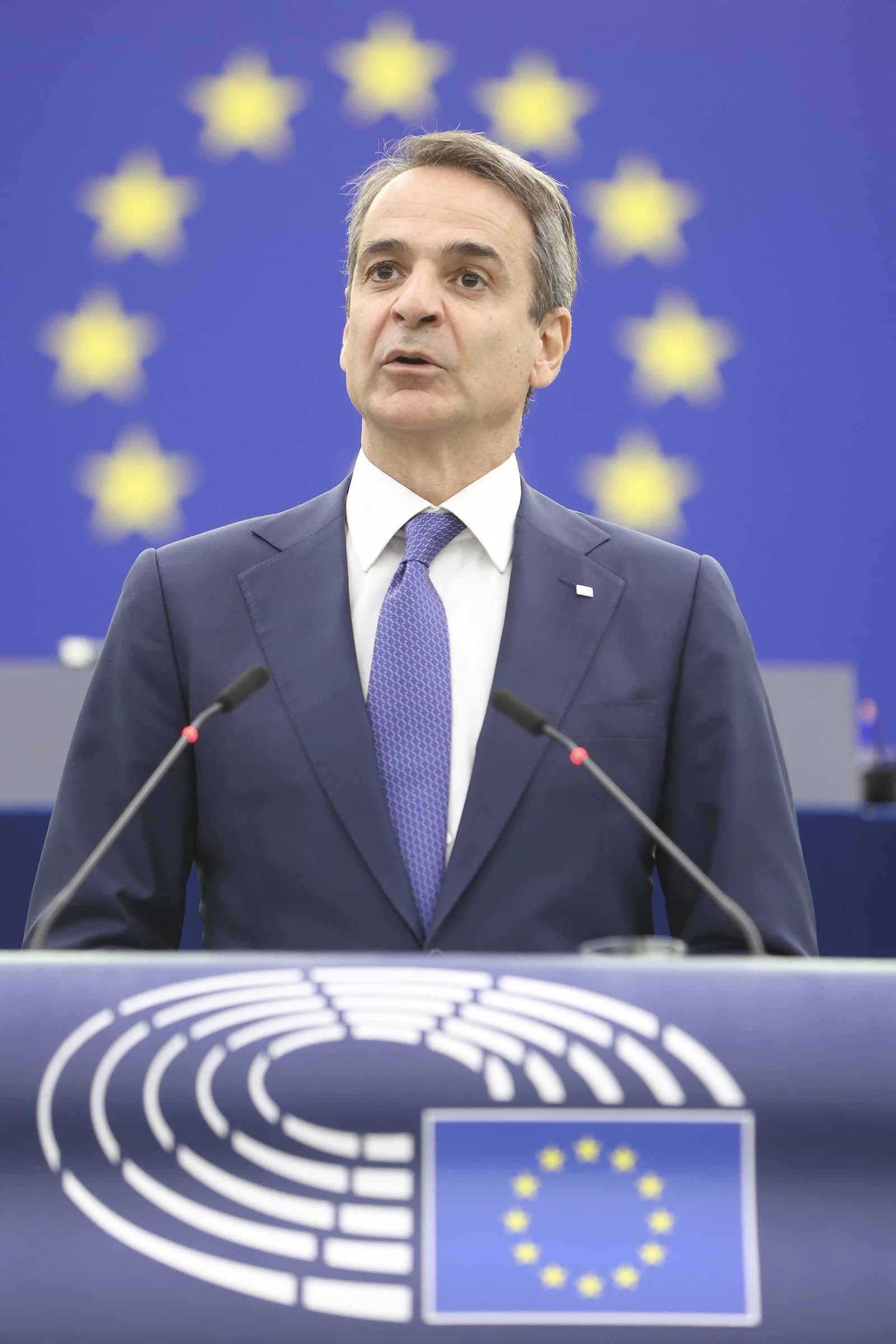
The immediate story is not a market-moving policy shift, but the persistence of a geopolitical dispute that can keep foreign capital on the sidelines. PASOK spokesman Kostas Tsoukalas used a media appearance on Monday to accuse the government of backing down on national issues, arguing that a patriotic stance means a government must actively exercise the country’s sovereign rights. He said the prime minister’s letters to European partners have so far produced no concrete result, and dismissed them as effectively stuck in “read.”
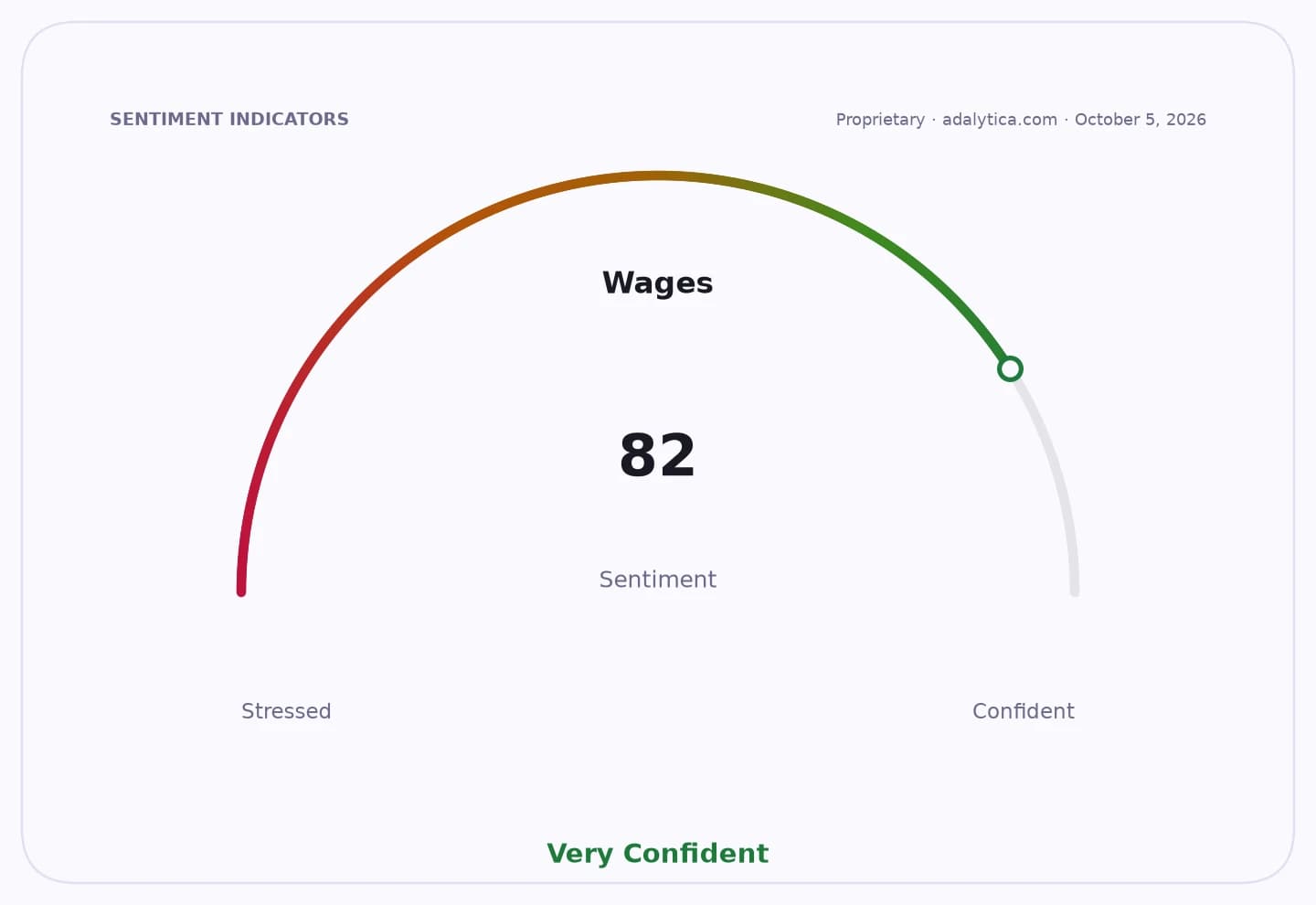
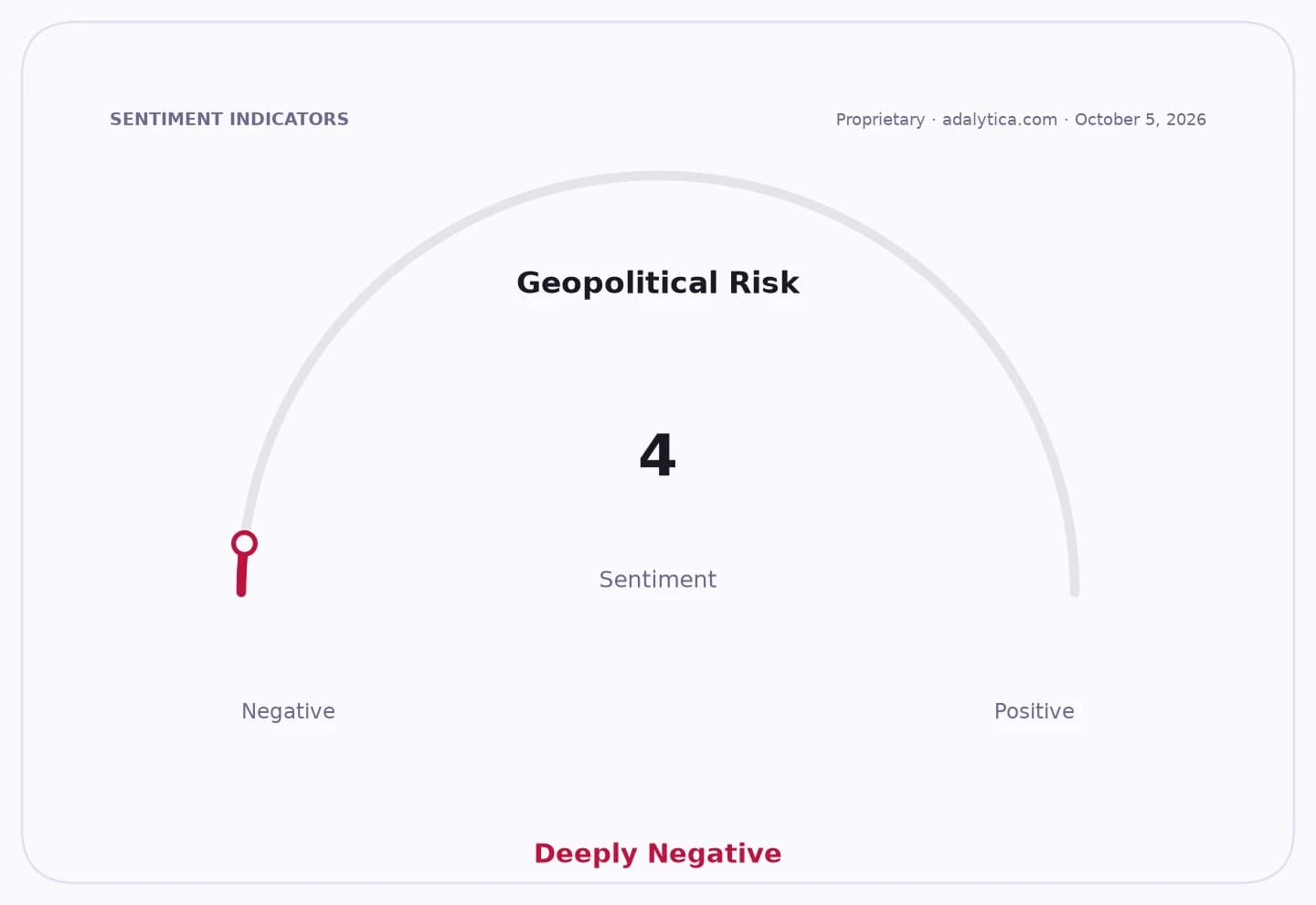
Sentiment IndicatorsⓘProprietary · adalytica.com · October 5, 2026
This is a snapshot — live sentiment, awareness and momentum for 130+ markets update continuously in the dashboard.Open AlphaPulse
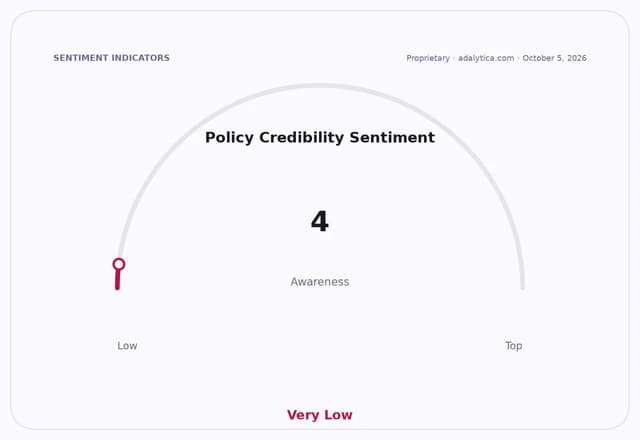
That matters because Greece’s market story still depends heavily on confidence: confidence in the government’s ability to defend strategic interests, confidence in regional stability, and confidence that Europe will back Athens when tensions with Turkey flare. When those doubts surface, they do not stay in parliament. They can spill into tourism, shipping, energy planning and the broader willingness of international investors to pay up for Greek exposure.
The market tape shows that caution. The iShares MSCI Greece ETF, GREK, has slipped to $82.66 from its recent highs near $87.51, while technically it remains above its 200-day moving average. That suggests the long-term trend is still intact, but momentum has softened. The fund’s relative strength index is in the mid-30s, a sign of weak near-term pressure rather than outright panic. In other words, investors are not abandoning Greece, but they are not rushing in either.
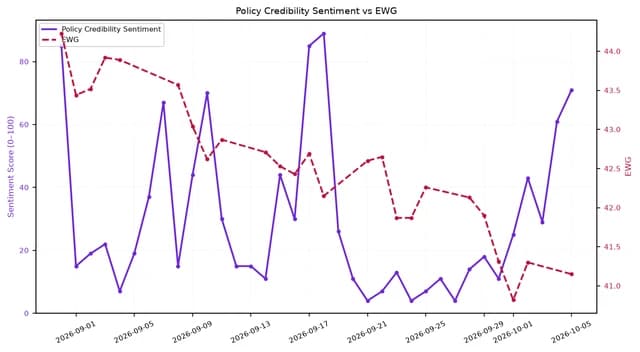
That is the key investing takeaway. Greece is no longer a distressed-market story, yet it remains a small open economy whose assets can be sensitive to headlines around Turkey, Cyprus and European diplomacy. For long-term investors, that means the country’s progress on growth, fiscal credibility and market access can be interrupted by episodes of political theater or real geopolitical friction. Those interruptions may create opportunities, but they also demand patience.
The same dynamic helps explain why policy credibility matters so much. When opposition figures argue that the government has failed to secure clear timelines on strategic infrastructure such as the undersea cable project near Kasos, or has not forced a stronger EU response to Turkish pressure, the issue is bigger than domestic point-scoring. Investors hear a broader question: can Athens convert political rhetoric into durable deterrence, or will uncertainty keep reappearing?
For now, Greek equity and Greece-focused ETF investors should treat the noise as a reminder that sovereign risk is not just about debt ratios. It is also about diplomatic consistency, regional stability and the ability of a government to turn European alliances into practical support. That makes Greece an interesting long-term market, but not one to own blindly. It is still worth watching, and for diversified portfolios, best approached as part of a broader basket rather than a single-country bet.
| Entity | Gains | Losses |
|---|---|---|
| Greek government | ▲If it projects resolve | ▼If doubts persist |
| PASOK opposition | ▲Political traction | ▼Little immediate market impact |
| GREK ETF holders | ▲Long-term rebound potential | ▼Near-term volatility |
| Turkey-linked risk assets | ▲Lower tension if diplomacy improves | ▼Higher scrutiny if rhetoric escalates |