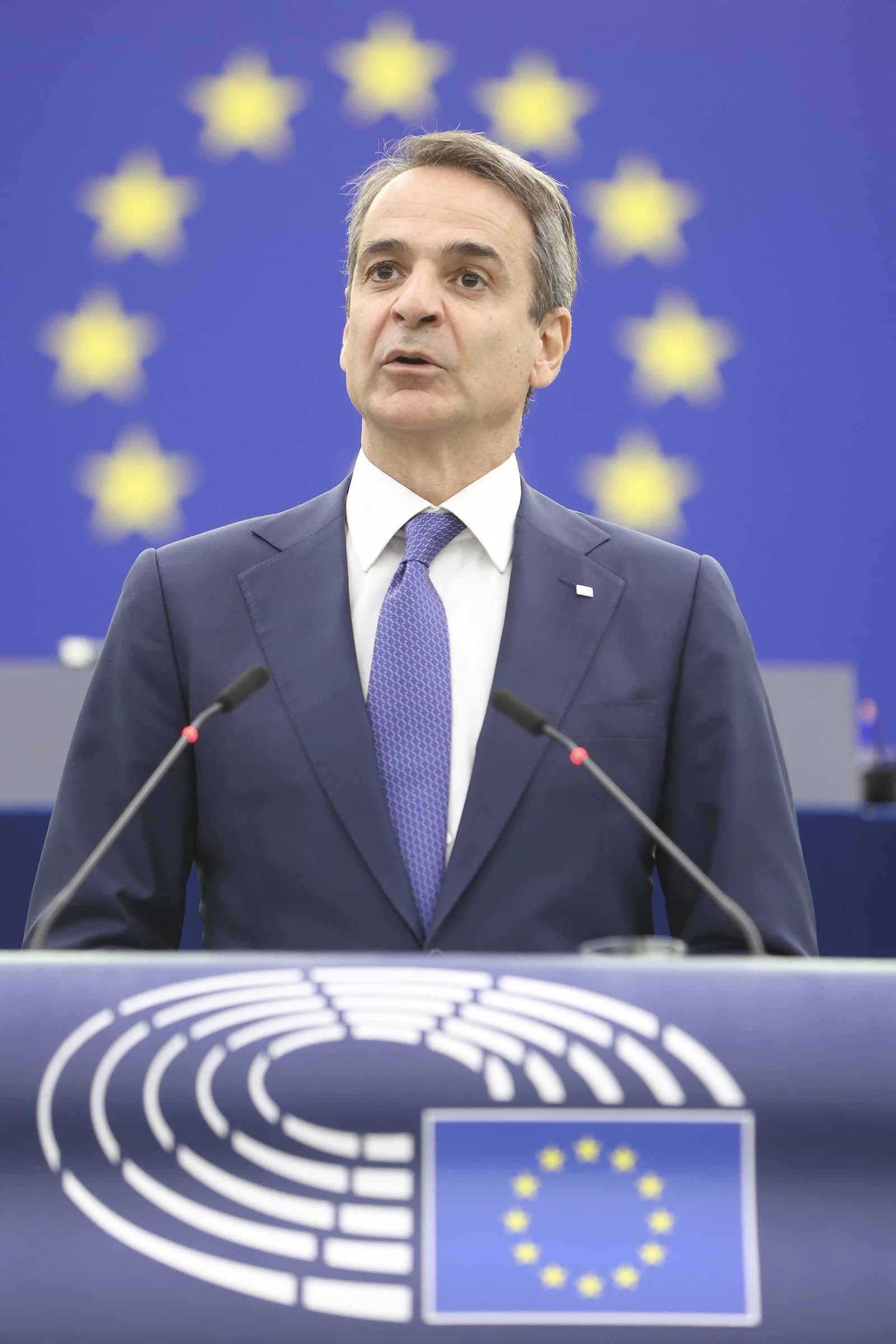
PASOK spokesman Kostas Tsoukalas is escalating pressure on Prime Minister Kyriakos Mitsotakis over Greece’s handling of tensions with Turkey, arguing that the government’s failure to move decisively on sovereign rights is becoming a political and diplomatic liability.
PASOK Pressures Mitsotakis Over Greece-Turkey Tensions
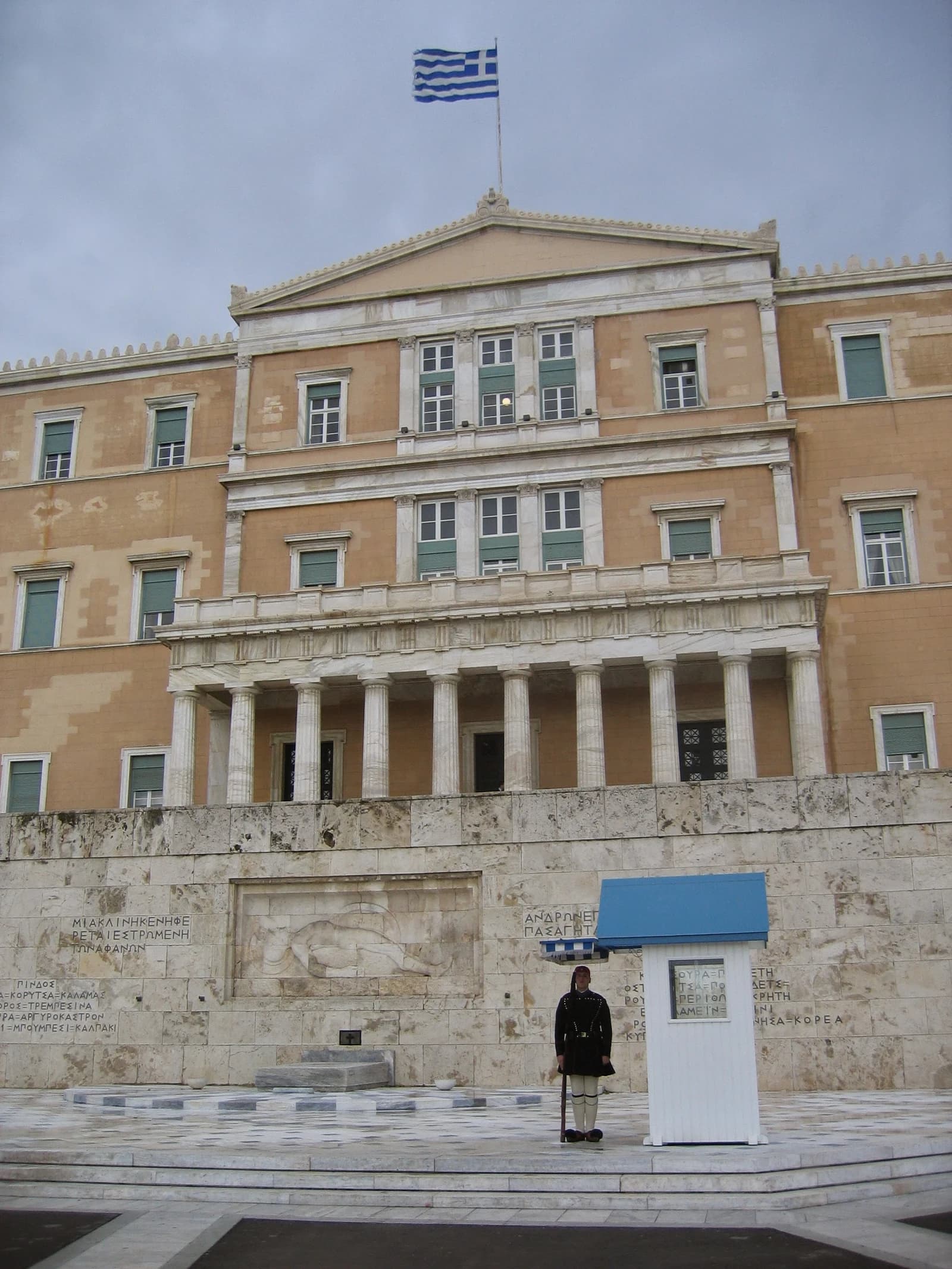
Tsoukalas said on Monday that the “patriotic position” is for Greece to have a government that exercises the country’s sovereign rights, accusing the ruling New Democracy party of retreating on national issues and leaving key disputes unresolved. His comments sharpen an already sensitive debate over how forcefully Athens should respond to Ankara as Greece seeks to protect territorial and maritime claims without triggering a broader confrontation.
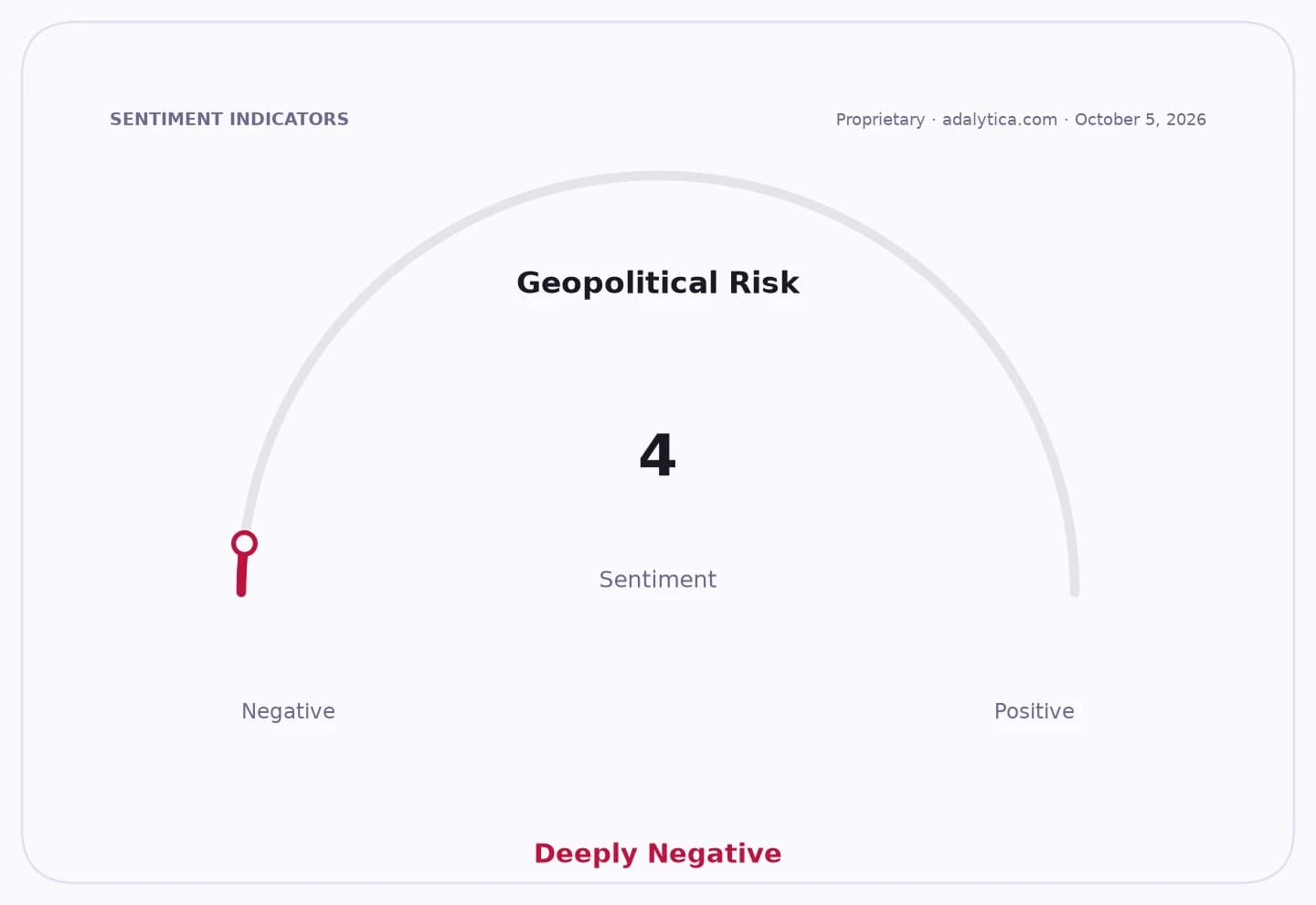
Sentiment IndicatorsⓘProprietary · adalytica.com · October 5, 2026
This is a snapshot — live sentiment, awareness and momentum for 130+ markets update continuously in the dashboard.Open AlphaPulse
The immediate flashpoint is the delayed timetable for the undersea cable project near Kasos, which Tsoukalas said has lacked a plan for two years. He also pointed to what he described as Turkish maps issued without an adequate Greek response, framing the issue as one of state credibility rather than rhetoric.
The criticism lands at a time when Athens is trying to use European institutions to back its position. Tsoukalas said a recent European Parliament resolution condemning Turkish provocation had support from Socialists and the European People’s Party, but argued Mitsotakis failed to turn that political momentum into tougher conclusions at the European Council. For investors, the issue matters because lingering Greece-Turkey friction can keep geopolitical risk premia elevated across defense, energy, shipping and infrastructure projects tied to the Eastern Mediterranean.
Tsoukalas also mocked the prime minister’s reliance on letters to European leaders, saying they have produced no visible results. The remark underscores a broader opposition line that Greece is being too cautious at a moment when sovereignty and enforcement of maritime rights are central to domestic politics and regional diplomacy.
The PASOK spokesman used the interview to cast his party as the main alternative for voters seeking policy change, while dismissing talk of a new party from former prime minister Antonis Samaras as an internal New Democracy matter. He said any government change would have to come through a party capable of changing policy, not just replacing a leader.
He also revived PASOK’s argument for using higher-than-expected VAT receipts, which he said have reached 1.2 billion euros, to temporarily ease fuel costs through lower excise taxes. That adds a domestic economic angle to the political fight, linking the sovereignty debate with voter pressure over inflation and living costs.
The confrontation is likely to deepen as the government faces continued scrutiny over Greece-Turkey relations, the Kasos cable timeline and how much political capital Mitsotakis can extract from Brussels before the dispute becomes a larger test of his handling of national security.
| Entity | Gains | Losses |
|---|---|---|
| PASOK | ▲Political differentiation | ▼Risk of appearing purely oppositional |
| New Democracy / Mitsotakis | ▲None | ▼Pressure over sovereignty handling |
| Greek government | ▲EU attention if it hardens stance | ▼Credibility on red lines |
| Investors in Greek infrastructure/energy | ▲Clarity if disputes de-escalate | ▼Higher geopolitical risk premiums |