Kemal Kılıçdaroğlu’s attack on stock-market corruption and manipulation lands at a moment when Türkiye’s capital markets are already under pressure from a widening probe that has rattled retail investors, frozen assets and renewed questions over governance.
Türkiye stock market probe rattles investors
Speaking at a CHP evaluation meeting in Bolu, the opposition leader said the party would be the one to criticise “stock market corruption” and “manipulation,” framing market abuse as a digital-age form of graft and casting his party as the defender of public trust. The comments matter because they connect a political message to a live financial scandal that has affected nearly 500,000 small investors and prompted arrests, regulatory intervention and calls for tougher oversight.
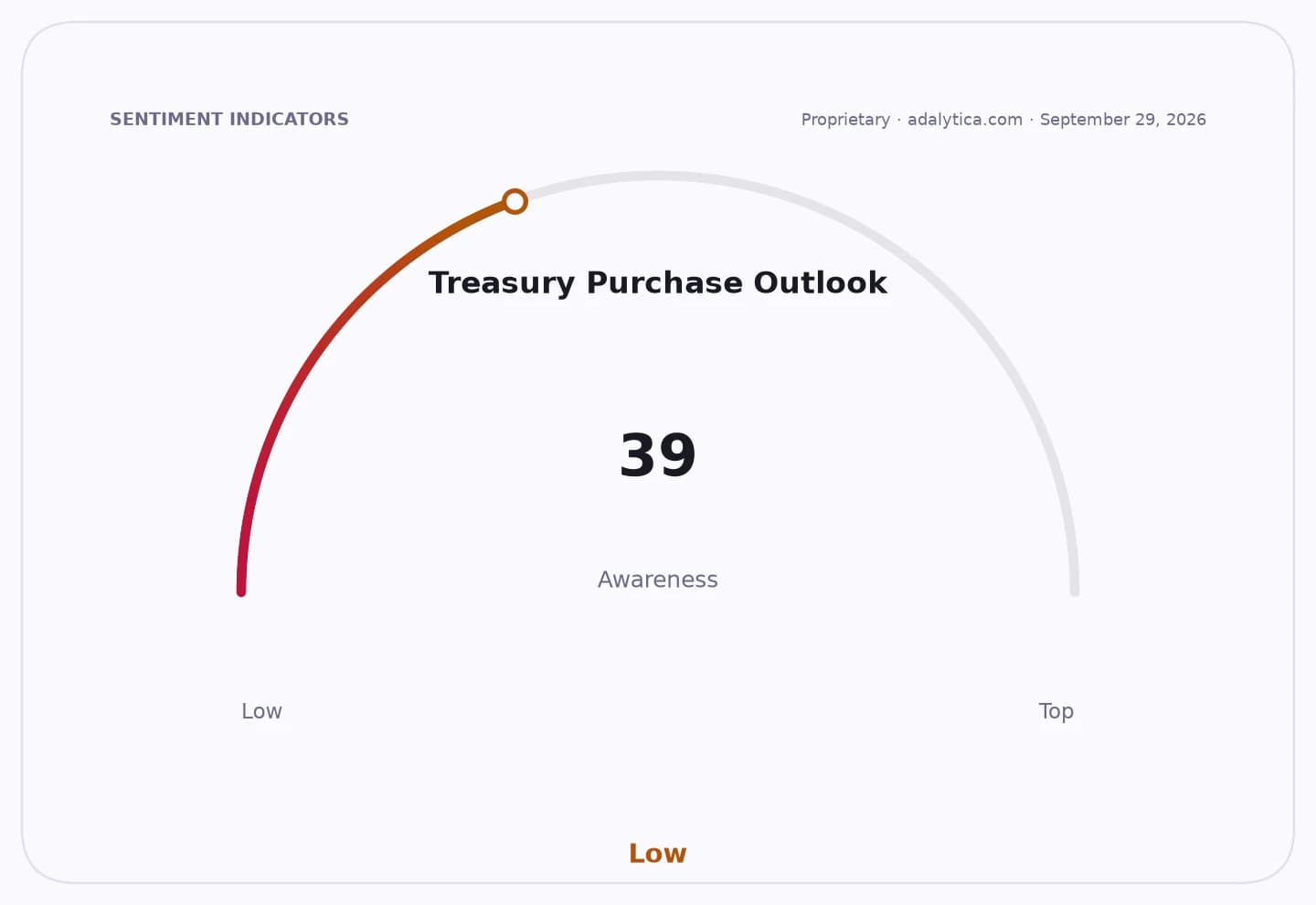
Sentiment IndicatorsⓘProprietary · adalytica.com · October 2, 2026
This is a snapshot — live sentiment, awareness and momentum for 130+ markets update continuously in the dashboard.Open AlphaPulse
Authorities have already detained 45 suspects in the probe, which centers on allegations of fraud, violations of the capital markets law and organized criminal activity. The fallout has gone well beyond the individuals involved. A separate liquidation of 131 funds with about $17 billion in capital has shaken confidence in the market structure, while accusations that insiders profited from the activity have deepened fears that the problem is not isolated misconduct but a broader failure of market integrity.
For investors, the issue is less about one politician’s rhetoric than about what it signals for enforcement and valuation. In markets where retail participation is large and confidence is fragile, manipulation probes can widen risk premia, reduce turnover and discourage new money from entering local equities. If authorities respond with tougher controls, the immediate effect could be more scrutiny and less speculative excess; if they fail to restore credibility, the longer-term cost is a steeper discount on Turkish assets.
The political dimension also matters. Kılıçdaroğlu is using the scandal to position the CHP as the party of moral oversight and institutional repair, turning a financial abuse story into an argument about governance. That could resonate with voters and investors alike if it translates into stronger rules, cleaner disclosure and more credible enforcement. But it also raises the pressure on the government to show that the market is being policed independently, especially after allegations involving well-connected figures.
The broader narrative is that Türkiye’s stock market scandal has become a test of state capacity: whether authorities can punish manipulation, protect small investors and restore faith in price discovery before the damage spreads further. For traders, the near-term catalyst is not just the legal process but the scope of any new regulatory measures and whether they can stabilize sentiment in a market already dealing with a trust deficit.
| Entity | Gains | Losses |
|---|---|---|
| CHP | ▲Anti-corruption credibility | ▼Risk of overpromising reform |
| Turkish regulators | ▲Stronger mandate | ▼Pressure to prove independence |
| Small investors | ▲Potential protection | ▼Confidence and capital losses |
| Manipulators/speculators | ▲— | ▼Scrutiny, arrests, market exclusion |