Turkey’s push to force e-commerce platforms, social media networks and classified-ad sites to report online sales and rentals to the tax authority every month is set to tighten oversight of a fast-growing part of the economy and raise the cost of doing business for digital marketplaces.
Turkey e-commerce platforms face monthly tax reporting
The move matters because it strikes at the gray zone that has long allowed informal commerce to flourish online, from secondhand cars and household goods to property and services. By bringing those listings under routine reporting, Ankara is signaling that digital channels will no longer be treated as a lightly policed extension of the street market. That should help protect tax revenue at a time when governments everywhere are looking for cleaner collection, but it also means more compliance, more data-sharing and less room for under-the-table transactions.
Sentiment IndicatorsⓘProprietary · adalytica.com · September 6, 2026
This is a snapshot — live sentiment, awareness and momentum for 130+ markets update continuously in the dashboard.Open AlphaPulse
For investors, the biggest implication is not just for Turkish sellers and consumers. Global and local platforms that facilitate commerce — including marketplace operators, ad-driven platforms and social networks — face a heavier reporting burden and potentially a more intrusive relationship with regulators. That is a familiar theme across jurisdictions: governments are increasingly requiring marketplaces to collect, withhold or report taxes on behalf of users, a shift already embedded in filings from companies such as Amazon, Etsy, eBay and Shopify.
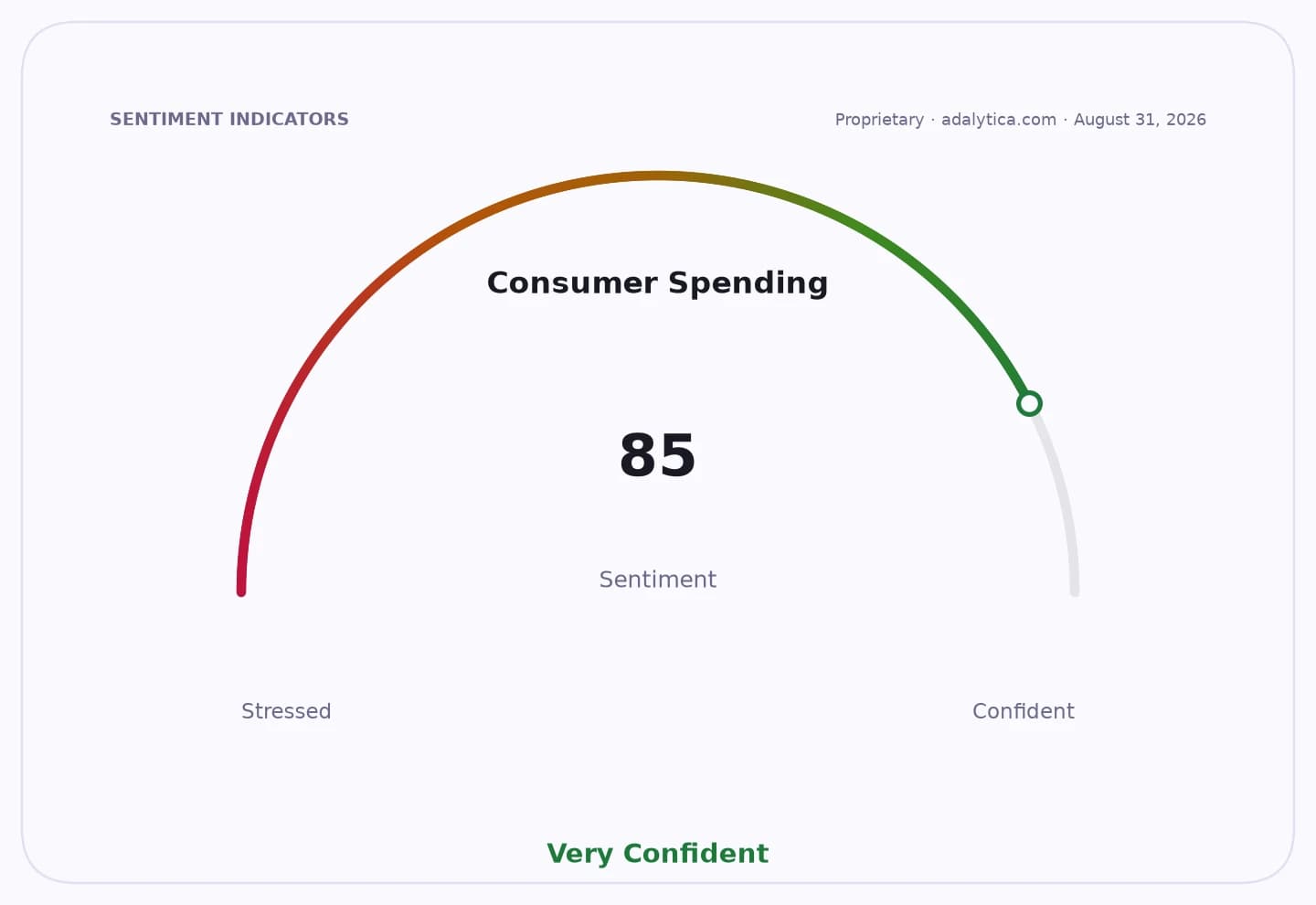
The policy also lands in an economy where consumer behavior is already under strain. Adalytica’s consumer spending gauge shows fear, while the broader market snapshot points to extreme fear, a reminder that any added friction in online transactions comes just as households remain cautious. In that environment, stricter tax enforcement can improve fiscal transparency, but it can also pressure transaction volumes at the margin if informal sellers pull back or pass costs on to buyers.
The market has often treated online classifieds and social commerce as a high-growth, low-friction frontier. That thesis is getting tested. The real winners are tax authorities and compliant incumbents with the systems to absorb reporting rules; the losers are informal sellers, and platforms that relied on scale without much regulatory drag.
The next catalyst will be how aggressively Turkey’s revenue service uses the new data and whether other emerging markets follow with similar monthly disclosure regimes. Investors should view this as another sign that digital commerce is moving from a light-touch growth story to a regulated utility-like model — and the companies with the best compliance infrastructure may be the ones that keep the biggest share of the upside.
| Entity | Gains | Losses |
|---|---|---|
| Turkey tax authority | ▲Better visibility | ▼Less informal trade |
| Compliant platforms | ▲Regulatory clarity | ▼Higher compliance costs |
| Informal sellers | ▲— | ▼More scrutiny |
| Buyers | ▲More trust | ▼Higher transaction friction |