Türkiye’s fund crisis has not yet become a sovereign credit story, and that is the key message for investors. Fitch and S&P Global Ratings both said the turmoil is not, at this stage, a systemic risk and does not appear likely to put direct downward pressure on Türkiye’s credit rating.
Türkiye fund crisis not seen as rating risk
That matters because sovereign ratings still shape borrowing costs, capital flows and investor confidence in emerging markets. If a local scandal or financial disruption spills into the wider banking system, triggers dollarization or unsettles public finances, rating agencies usually move quickly. For now, both firms say Türkiye has avoided that kind of contagion.
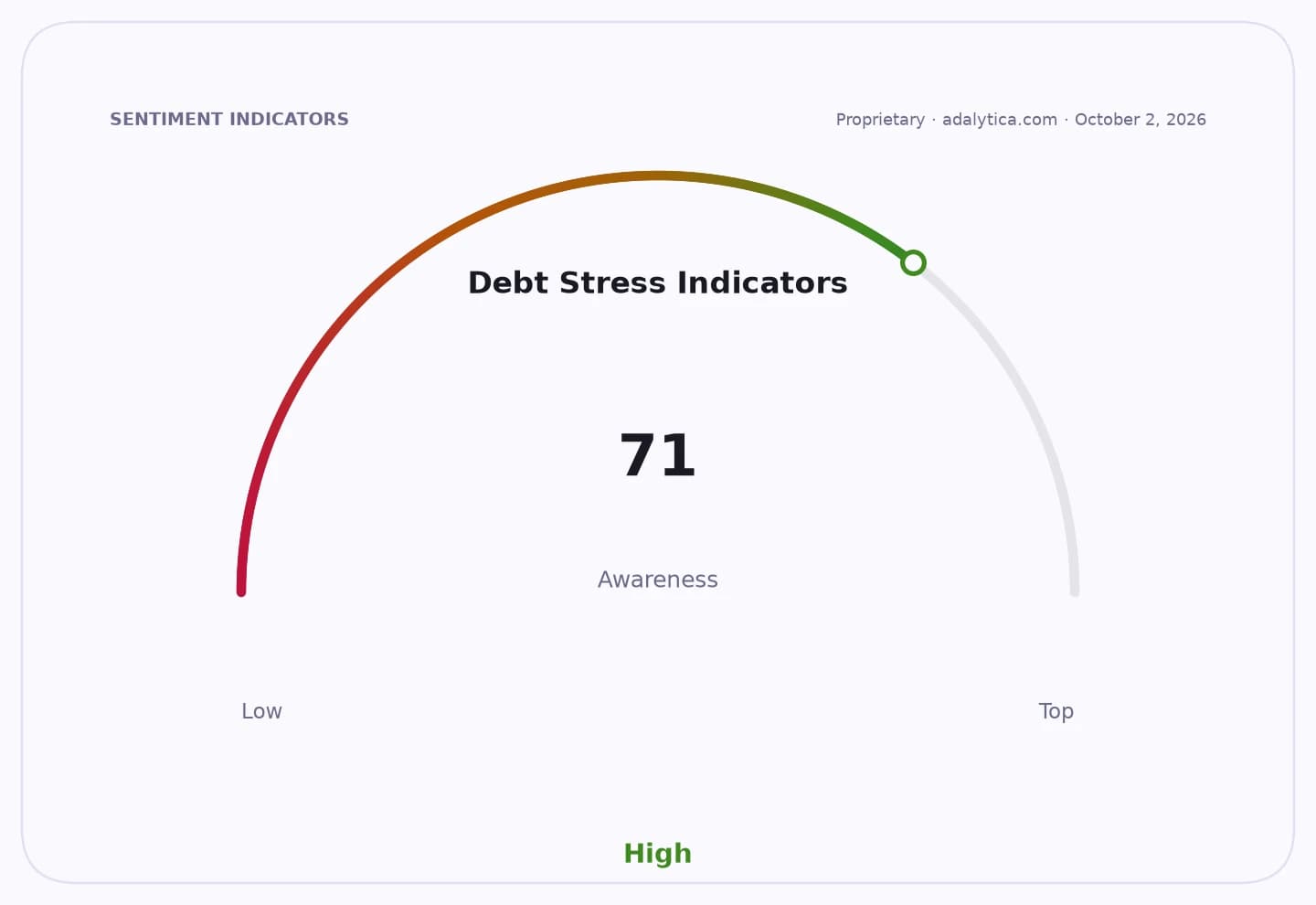
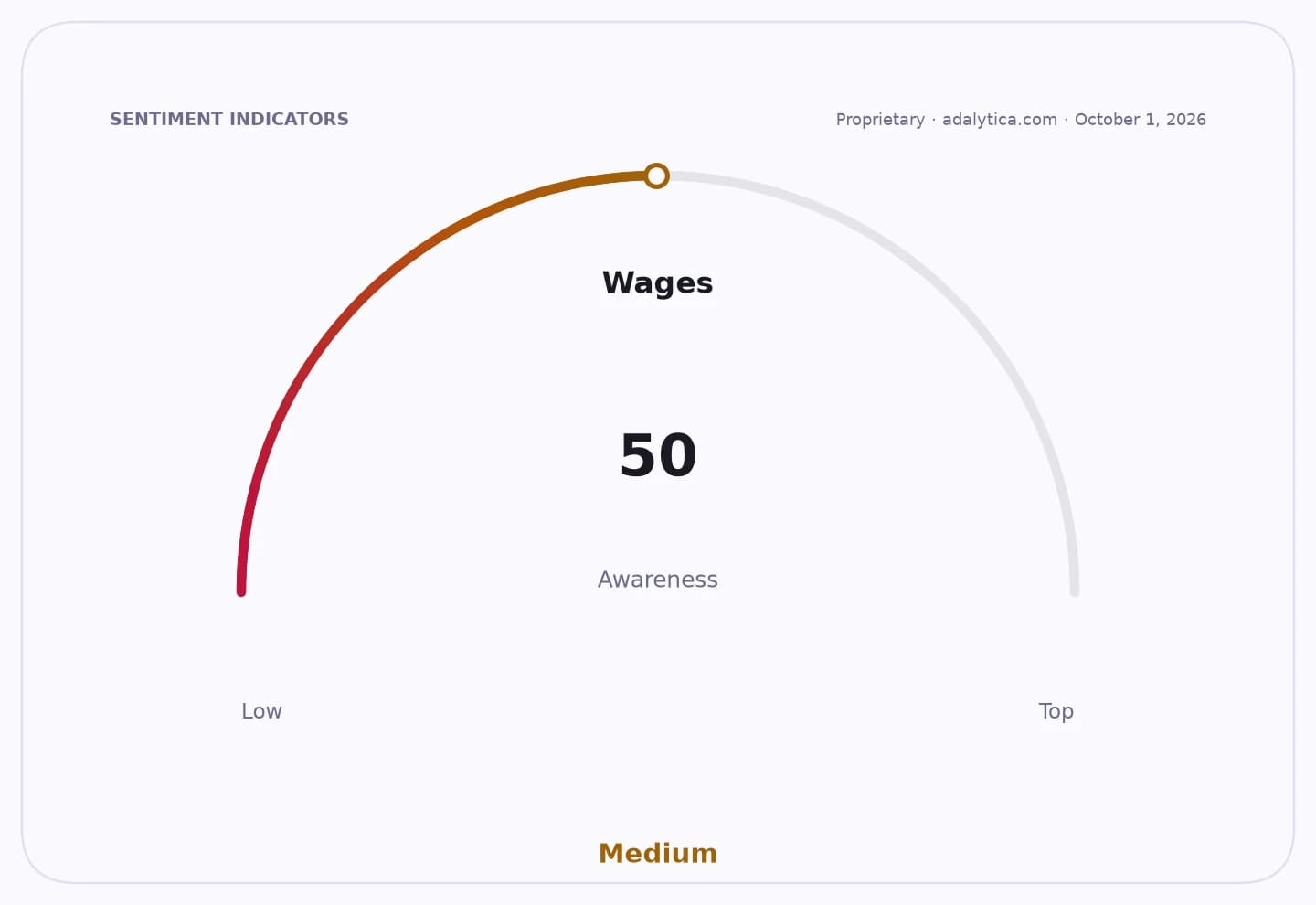
Sentiment IndicatorsⓘProprietary · adalytica.com · October 3, 2026
This is a snapshot — live sentiment, awareness and momentum for 130+ markets update continuously in the dashboard.Open AlphaPulse
S&P analyst Karen Vartapetov said on Oct. 3 that the agencies would not expect the fund-related developments to weaken the rating if the issue remains isolated. She said regulatory steps and the policy response have been fast and convincing, adding that there is no strong evidence the episode has meaningfully damaged confidence in the economy or the financial system. She also said there has been no major reaction in the areas that matter most for credit work, including the exchange rate, dollarization and banking-system liquidity.
Fitch took a similar line on Sept. 29. Douglas Winslow, Fitch’s senior director for Türkiye, said the events were negative but should not affect the country’s rating. He said there has been no broad dollarization pressure across the economy and no sign of systemic risk in the financial system.
For investors, that is important for two reasons. First, it reduces the odds that the crisis becomes a broader funding problem for banks, companies or the sovereign. Second, it suggests ratings agencies are still looking more closely at Türkiye’s macro stabilization efforts than at this episode alone. In other words, the country’s credit trajectory will likely be determined by inflation, reserves, policy credibility and public finances, not by a single fund investigation unless it spreads much further.
Türkiye’s next scheduled S&P review is expected on Oct. 16, 2026, after the agency last affirmed the country at BB-/B with a stable outlook in April. Fitch and S&P both said any developments tied to the case will still be watched by committee, but for now the central message is one of containment rather than escalation.
For long-term investors, that means the crisis looks more like a headline risk than a thesis changer. If the issue stays narrow, it should not derail Türkiye’s broader re-rating story. But if it starts to erode household confidence, pressure local-currency savings or spill into the banking system, the market would have a very different conversation. For now, the agencies are telling investors to keep watching, not to panic.
| Entity | Gains | Losses |
|---|---|---|
| Türkiye sovereign credit | ▲Avoids immediate downgrade pressure | ▼Still faces scrutiny |
| Fitch and S&P | ▲Validation of measured stance | ▼Must keep monitoring risks |
| Investors in Türkiye assets | ▲Less fear of rating shock | ▼Still exposed to macro volatility |
| Fund-crisis sellers/shorts | ▲— | ▼Fewer contagion fears, weaker bearish case |