Turkey’s banking regulator has tightened the screws on household borrowing, lifting the minimum payment on credit cards to 40% for balances above 100,000 lira and to 20% for cards below that threshold.
Turkey raises minimum credit card payments
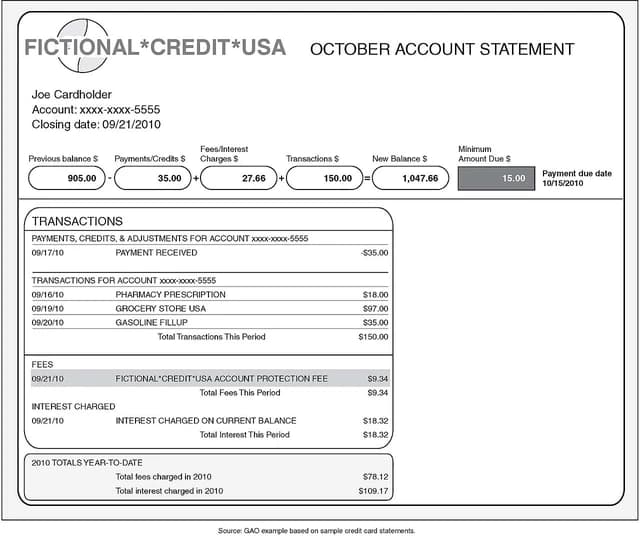
The change matters because credit cards are often where consumer stress shows up first. By forcing borrowers to pay down a larger share of their monthly bill, the Banking Regulation and Supervision Agency is trying to slow revolving debt growth and cool consumption at a time when credit has been doing too much heavy lifting in the economy. That can help banks manage risk and reduce the chance that households roll more debt into the future, but it also means less spending power for consumers in the near term.
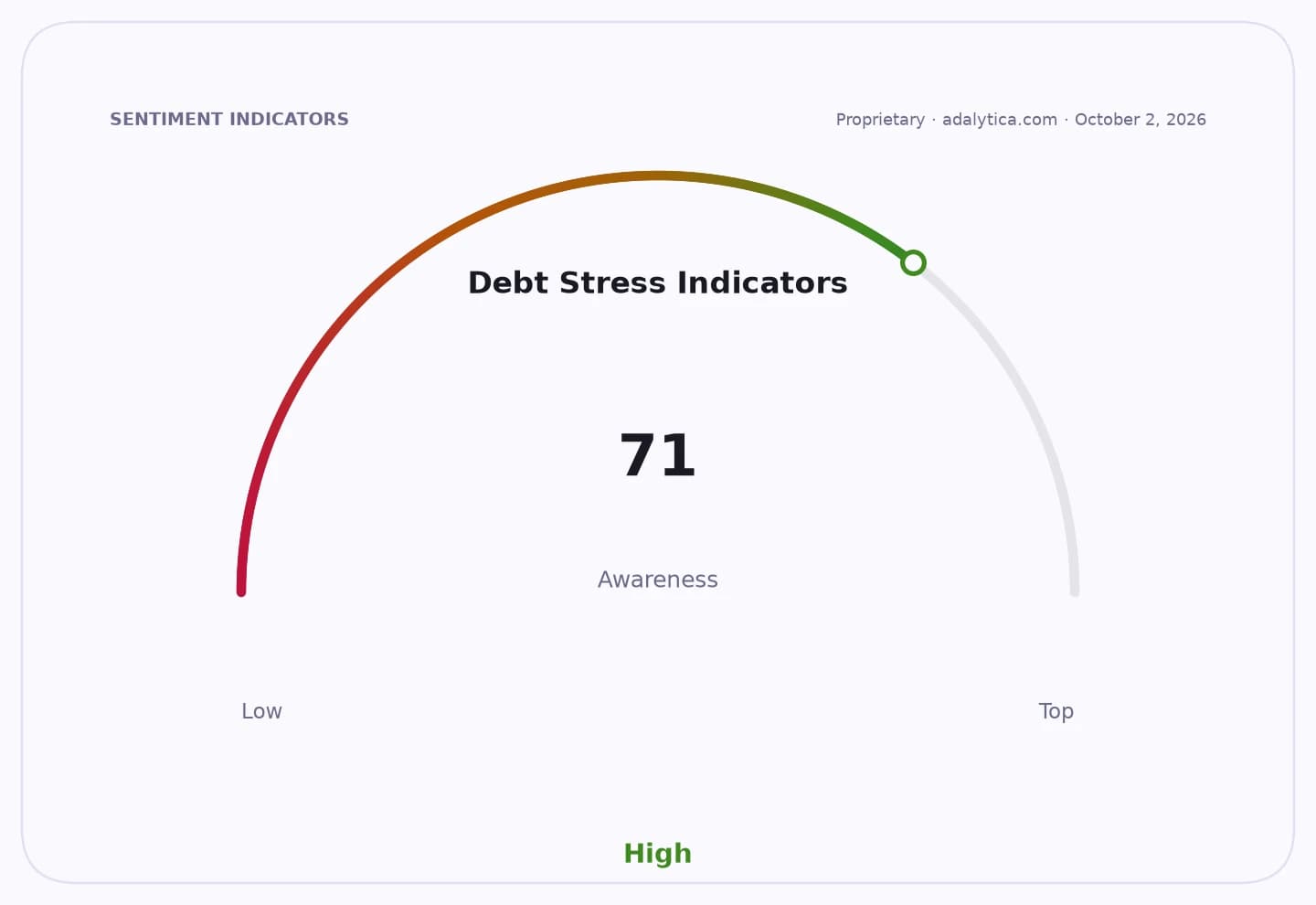
Sentiment IndicatorsⓘProprietary · adalytica.com · October 2, 2026
This is a snapshot — live sentiment, awareness and momentum for 130+ markets update continuously in the dashboard.Open AlphaPulse
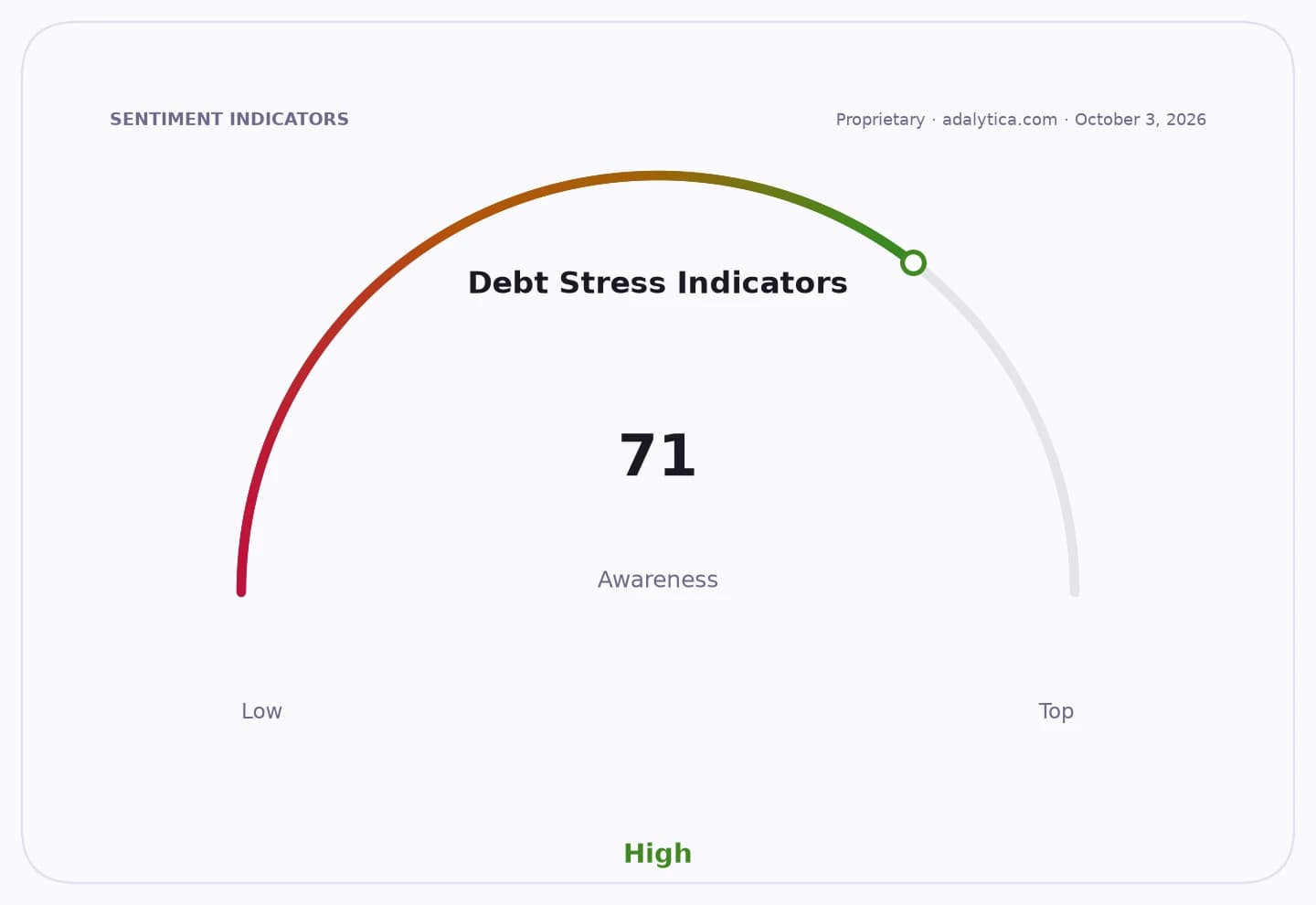
For investors, this is a classic trade-off between credit quality and loan growth. Banks may see a healthier repayment profile if the rule keeps delinquencies contained, but card balances and fee income could grow more slowly. The tightening also lands in a market where household-debt stress has been moving higher, according to Adalytica’s Household Debt Stress sentiment gauge, which recently jumped to 71 from 36 a day earlier, underscoring how quickly borrowing conditions can deteriorate when regulators step in.
The move fits a broader pattern in Turkey of using macroprudential tools to restrain consumer credit and manage inflationary pressure from spending. It also shows how policy can shift demand rather than just react to it: if consumers must devote more cash to servicing debt, they have less room for discretionary purchases, which can ripple through retailers, lenders and the broader economy.
For long-term investors, the key question is whether this is a healthy normalization or the start of a more restrictive credit cycle. In the near term, lenders exposed to Turkish consumer credit could face slower growth. Over time, though, tighter repayment rules may support a more durable banking system by limiting the build-up of risky balances. That makes the change worth watching, especially for investors who favor stable cash flow and balance-sheet discipline over short bursts of credit-led growth.
| Entity | Gains | Losses |
|---|---|---|
| Turkish banks | ▲Better repayment discipline | ▼Slower card balance growth |
| Regulators | ▲Lower household leverage | ▼Softer consumer spending |
| Consumers with high balances | ▲Lower long-term debt risk | ▼Less monthly cash flow |
| Retailers and lenders tied to spending | ▲More stable credit environment | ▼Weaker near-term demand |