Household borrowing from Serbian banks climbed 19.1% over the past year to 2.187 trillion dinars at the end of September, underscoring still-solid consumer credit demand even as higher financing costs weigh on borrowers across the region.
Serbian Household Borrowing Rises 19.1% in September

The rise matters because household debt is one of the clearest gauges of domestic demand, and in Serbia it is growing faster than the broader loan book. Total credit to households and companies increased 15.7% year on year to 4.818 trillion dinars, but the faster pace of household borrowing suggests retail lending is doing much of the heavy lifting. That points to resilient consumption, firmer bank asset growth and continued interest income for lenders, while also raising questions about how much room households have left to take on new debt if rates stay elevated.
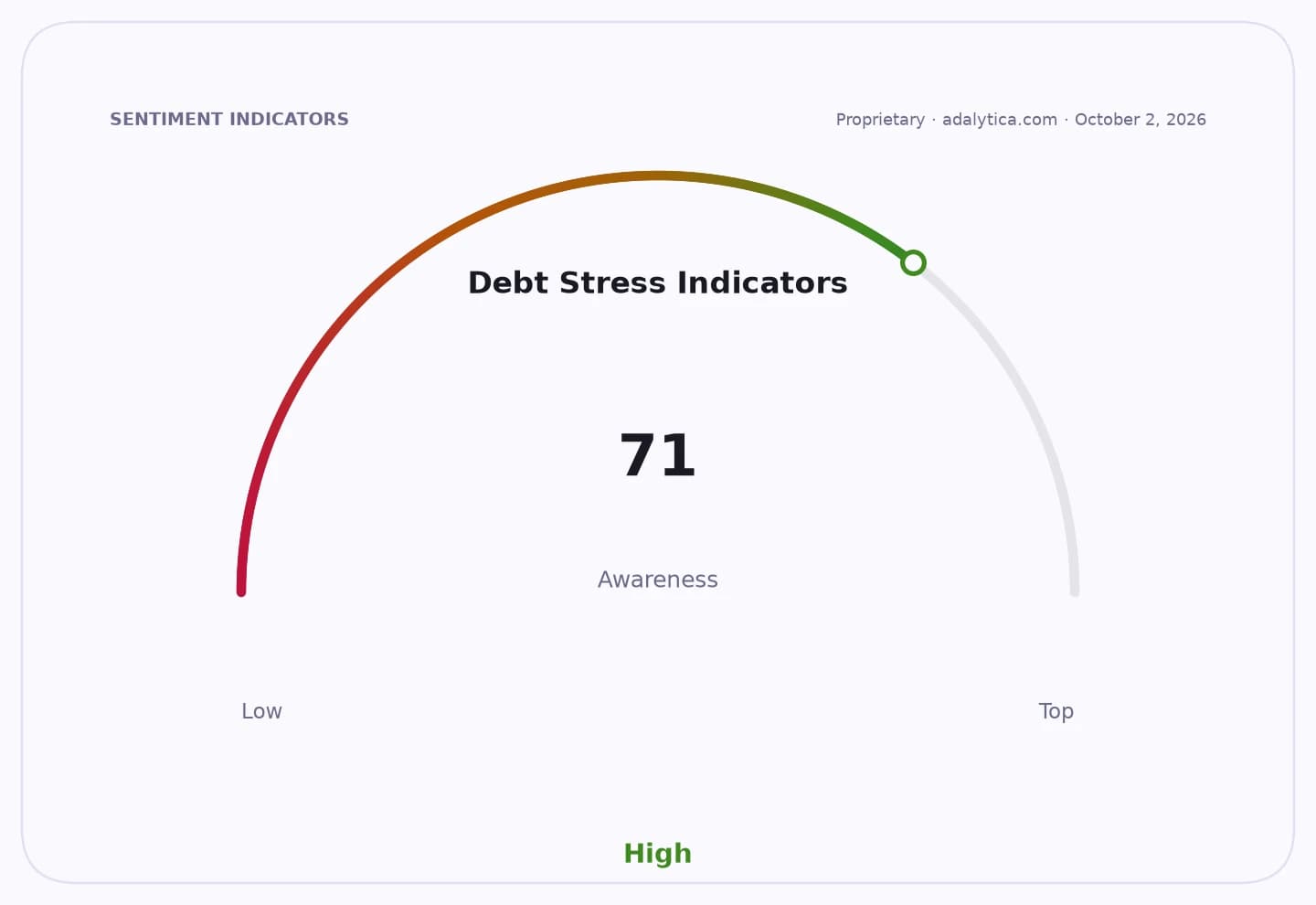
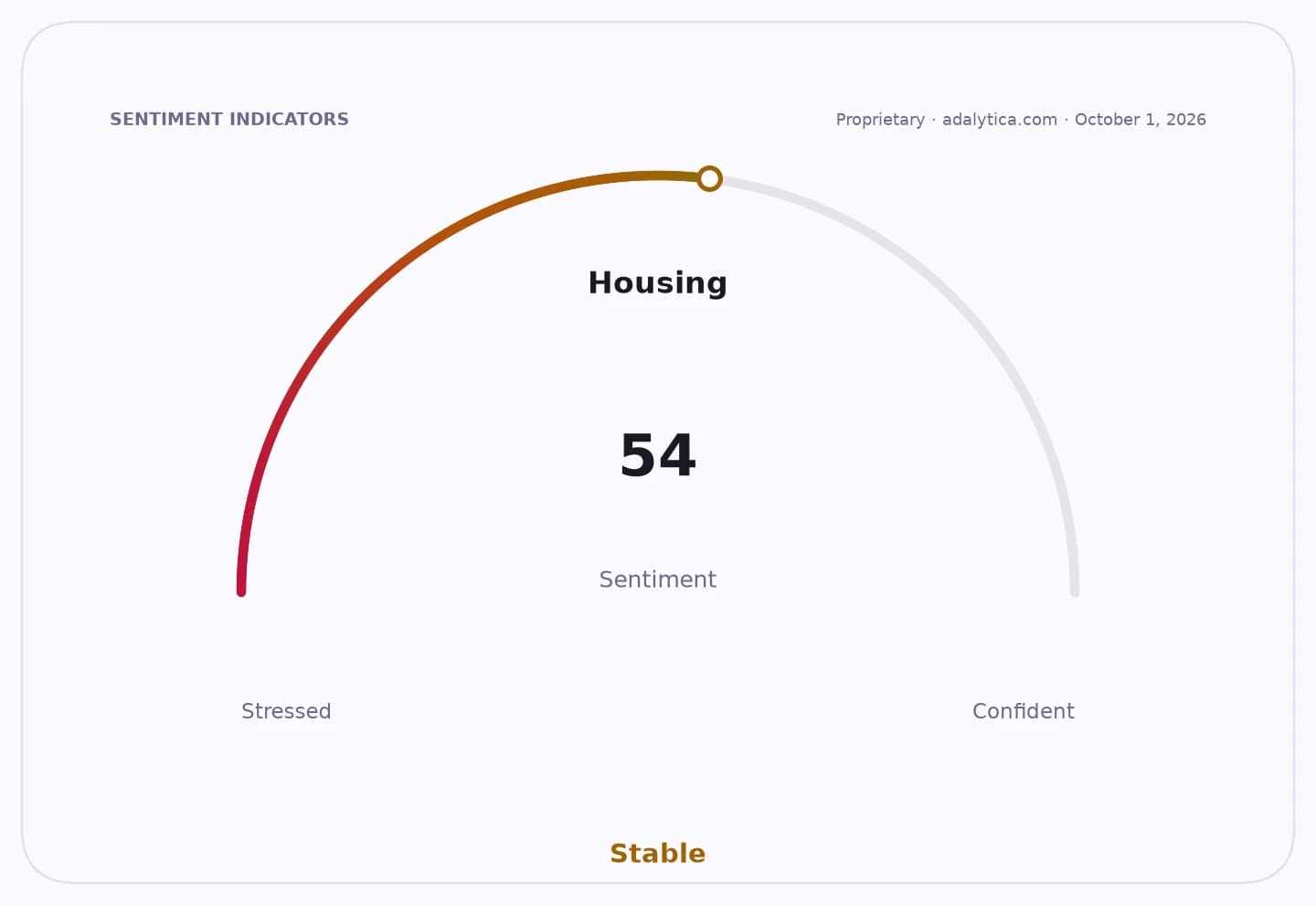
Sentiment IndicatorsⓘProprietary · adalytica.com · October 2, 2026
This is a snapshot — live sentiment, awareness and momentum for 130+ markets update continuously in the dashboard.Open AlphaPulse
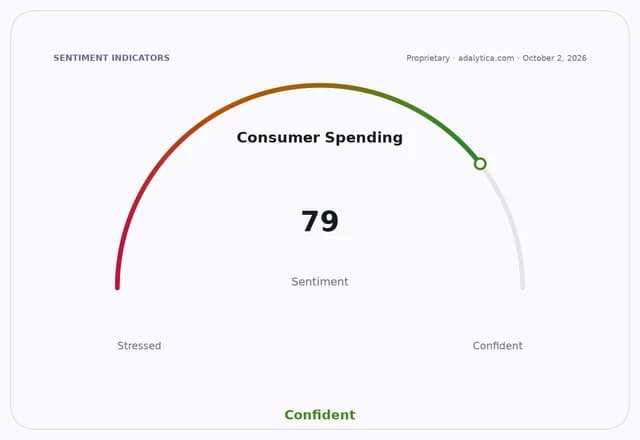
Cash loans remained the biggest driver, rising 19.4% to 1.070 trillion dinars, while housing and renovation loans also climbed 19.4% to 931.6 billion dinars. That mix matters: cash lending tends to be more exposed to discretionary spending and shorter repayment periods, while mortgage growth usually reflects longer-term confidence in income and property markets. Together, they show that Serbian households are still borrowing for both everyday spending and bigger-ticket purchases despite a tougher rate environment.
For banks, the data are broadly supportive. Faster loan growth should help revenues and keep credit portfolios expanding, especially if delinquency rates continue to edge lower, as the UBS data indicate. But the same lending strength can cut both ways. If household leverage keeps rising faster than incomes, future credit losses could eventually pick up, particularly in unsecured consumer loans, where borrowers are most sensitive to inflation and employment shocks.
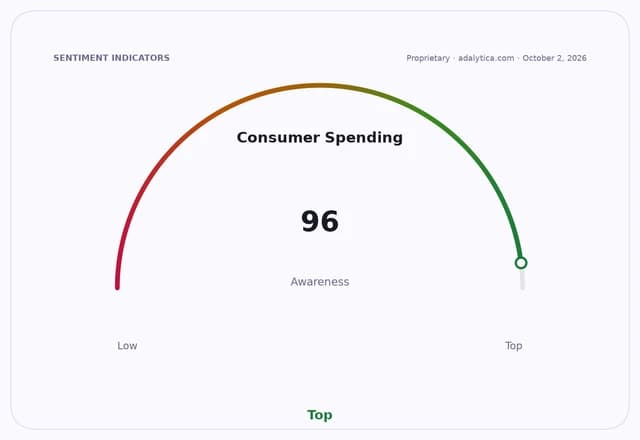
The bigger macro story is that Serbia’s credit cycle remains in expansion mode. In an economy where consumer spending still supports growth, household borrowing can cushion slower external demand. But it also leaves the banking sector more exposed if the economy cools or if refinancing costs remain high. Investors will be watching whether loan growth stays matched by healthy repayment behavior — or whether the recent surge in retail credit starts to look like the late stage of a credit cycle rather than a durable trend.
| Entity | Gains | Losses |
|---|---|---|
| Serbian banks | ▲Faster loan growth | ▼Higher future credit risk |
| Households with access to credit | ▲More financing for spending and housing | ▼Rising debt burden |
| Consumer lenders | ▲Stronger interest income | ▼More exposure to defaults |
| Savers / cautious borrowers | ▲Higher deposit competition | ▼Less room for cheap credit |