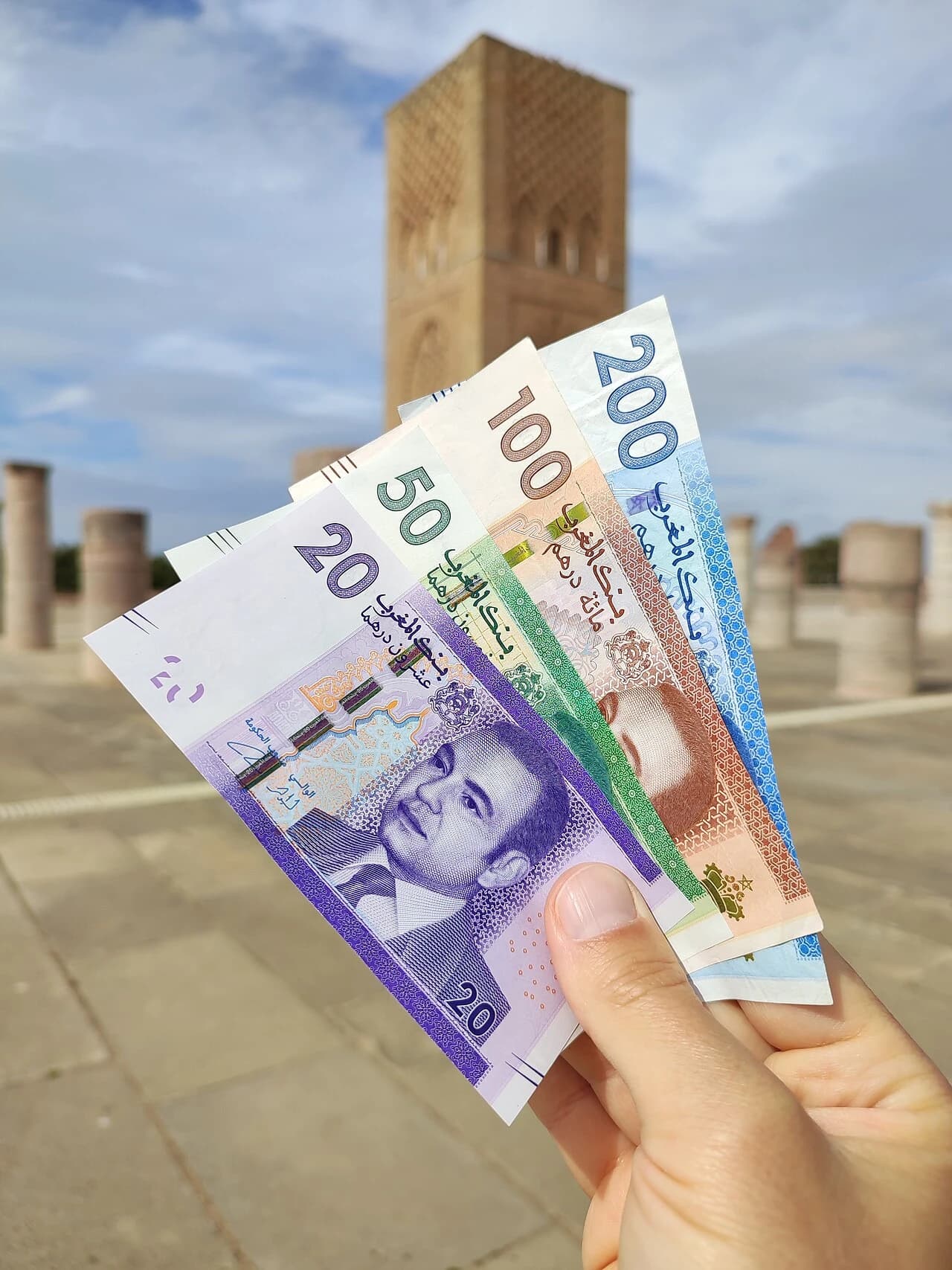
Morocco’s monetary landscape is being shaped by a rare combination of faster bank lending and a powerful rise in cash outside the banking system, a mix that points to firmer domestic demand but also tighter liquidity conditions for lenders.
Morocco bank credit rises as cash demand surges
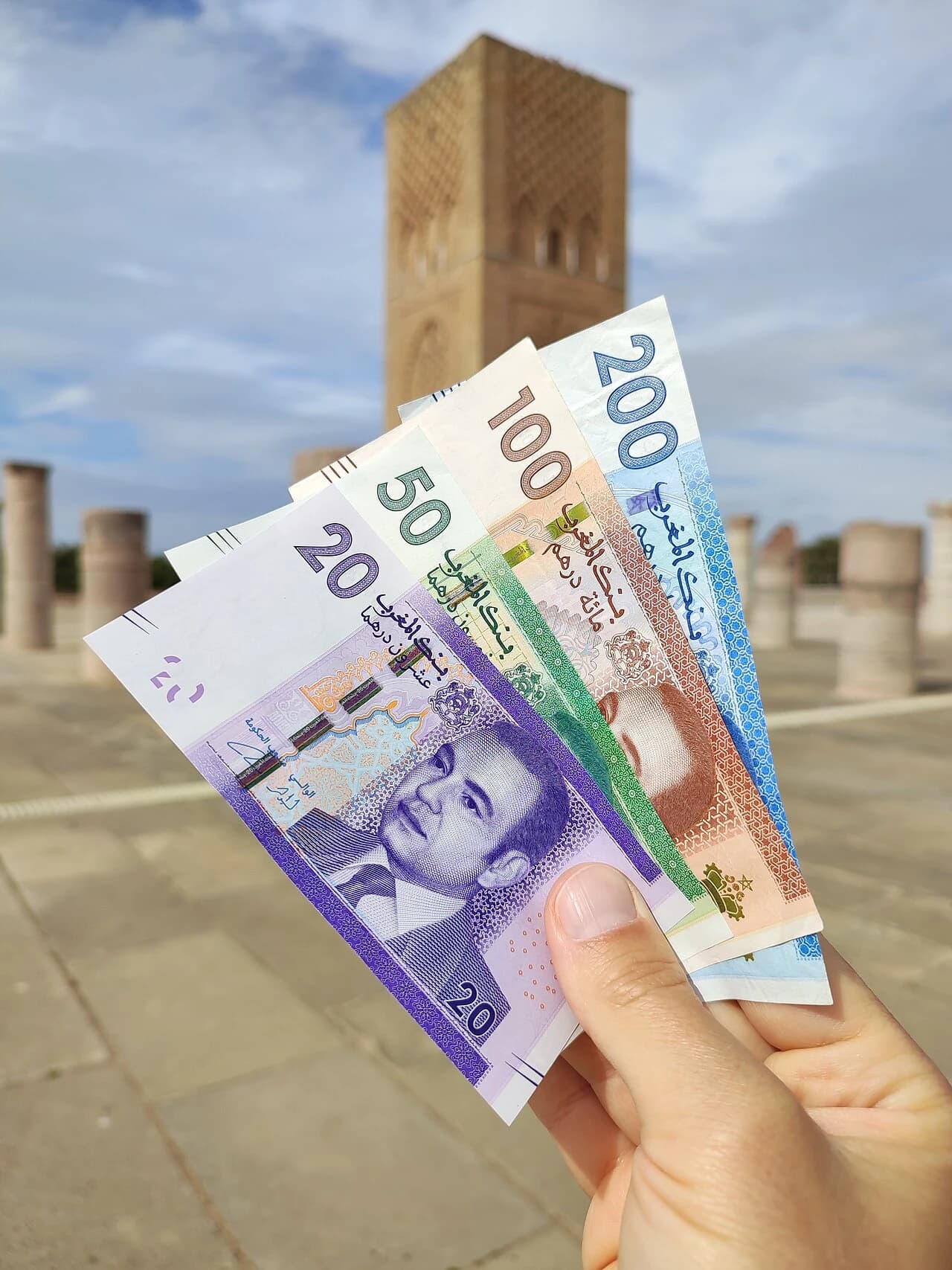
Bank Al-Maghrib said bank credit to the non-financial sector accelerated to 10.1% year on year in July from 9.8% in the second quarter, even as banks’ liquidity deficit eased slightly to 129 billion dirhams on average in July and August from 138.6 billion dirhams in the prior quarter. At the same time, currency in circulation rose 18%, underscoring how much money remains outside deposits and helping explain why the central bank still had to inject 146.8 billion dirhams in liquidity on average during the summer.
Sentiment IndicatorsⓘProprietary · adalytica.com · October 2, 2026
This is a snapshot — live sentiment, awareness and momentum for 130+ markets update continuously in the dashboard.Open AlphaPulse

The signal for the economy is straightforward: credit is still expanding at a pace that can support consumption, business activity and local government investment, but the system is also absorbing a strong demand for cash that can weigh on bank funding. That makes the central bank’s task more delicate. It has kept the policy rate at 2.25%, and the interbank rate has remained aligned with that level, suggesting policy is neither choking off lending nor yet loose enough to reverse the structural drain from cash hoarding.
The strongest driver of lending is the private sector. Loans to private companies rose 11% in July after 8.1% in the second quarter, helped by a sharper pickup in treasury facilities and equipment loans, which jumped 11.3% and 18% respectively. Lending to households also continued to advance, though more modestly, with consumer loans up 5.2% and housing loans up 2.2%. That mix matters because business investment loans are typically a better gauge of productive expansion than consumer borrowing alone.

There are also signs that public investment is helping pull credit higher. Bank Al-Maghrib said lending to local authorities expanded, tied to seawater desalination projects and the high-speed rail extension announced in April, while financing for state-owned firms slowed sharply from 15.9% to 3.1%. For investors, that suggests credit growth is being supported not just by private demand but by a pipeline of state-linked infrastructure spending that should keep bank assets growing into next year.
Pricing is moving in the opposite direction. The average lending rate rose 15 basis points to 4.81% in the second quarter, with rates on non-financial companies up 17 basis points to 4.71%. Business equipment loans became notably more expensive, climbing 29 basis points to 4.65%, while household lending rates fell 15 basis points to 5.59%, reflecting a sharper drop in overdraft and treasury facilities. That combination leaves banks with some room to defend margins, but it also suggests borrowers are not getting an unambiguous easing in credit conditions despite the stable policy rate.
The bigger macro tension is the rise in cash. Currency in circulation increased 18%, well above the growth of time deposits, which fell 2.2%. Demand deposits rose 11.2%, but the shift toward cash suggests households and firms are not fully recycling liquidity back into the banking system. In practice, that drains deposit growth, forces banks to rely more heavily on central bank support and keeps the system’s liquidity deficit elevated even when lending conditions are broadly favourable.
Bank Al-Maghrib expects that pressure to persist. It sees banks’ liquidity needs widening to 146 billion dirhams by end-2026 and 168.2 billion dirhams in 2027, driven mainly by continued strong growth in banknotes and coins. Credit growth, meanwhile, is projected to accelerate to 8.1% in 2026 before moderating to 6.1% in 2027. For investors, that points to a banking sector that should still benefit from loan growth, but one that may face a more expensive funding mix if cash demand remains strong and deposit competition intensifies.
The policy implication is that Morocco is not in a credit crunch, but neither is it in a clean deposit-rich expansion. As long as cash growth stays elevated, the central bank will likely have to keep providing sizeable liquidity injections even with lending accelerating. That supports credit supply in the near term, but it also means bank profitability, deposit franchises and the pace of private investment will remain the key variables to watch.
| Entity | Gains | Losses |
|---|---|---|
| Moroccan banks | ▲Loan growth and higher lending rates | ▼Larger liquidity needs |
| Borrowers | ▲Continued access to credit | ▼Higher financing costs |
| Bank Al-Maghrib | ▲Credit transmission remains intact | ▼Persistent cash drain |
| Cash holders | ▲More value held outside deposits | ▼Lower banking-system funding |