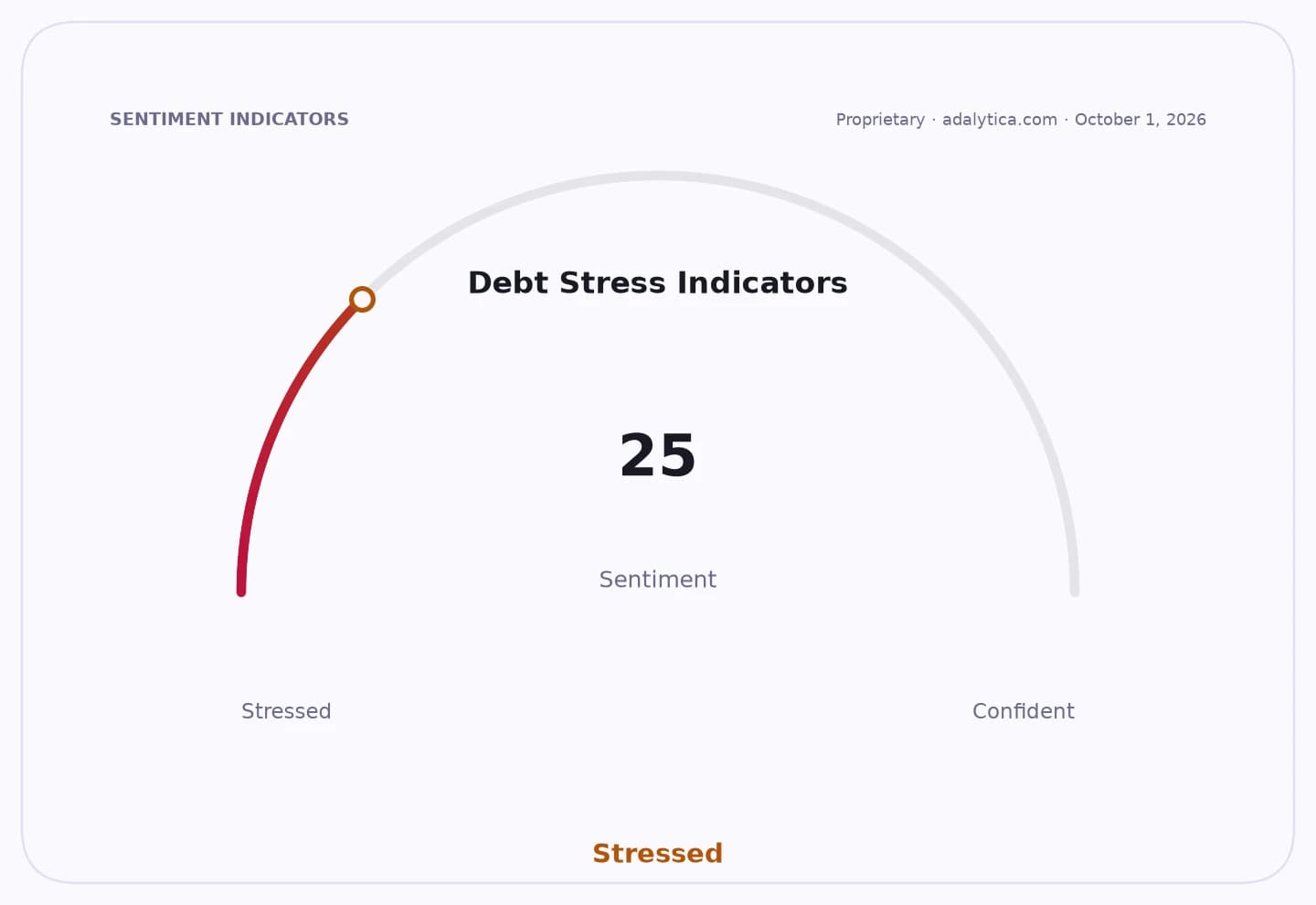
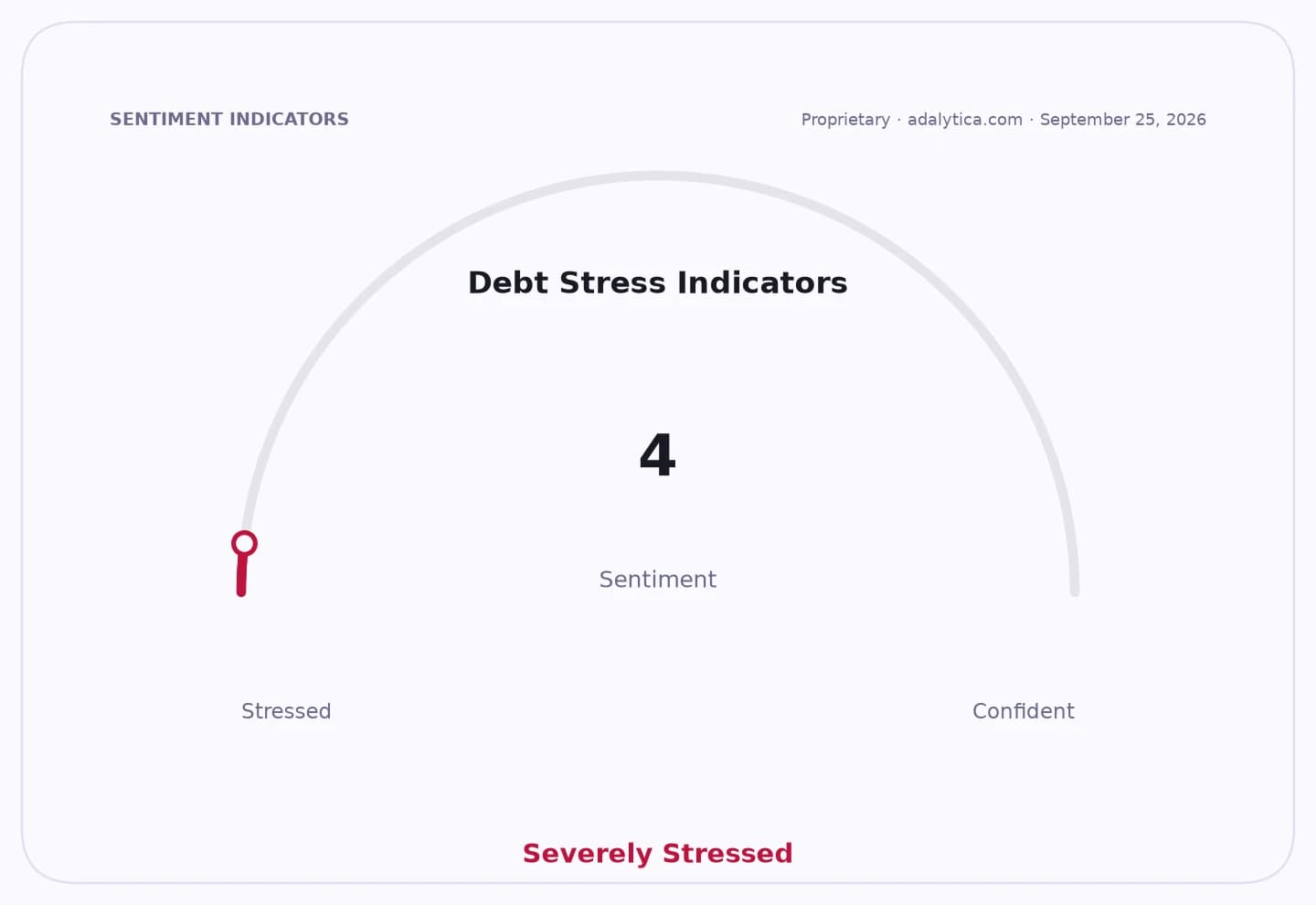
Borrowers with damaged credit are entering October with fewer cheap options and more urgent demand for emergency cash, as the US labor market softens just enough to keep household stress elevated without triggering a full recession.
Bad Credit Borrowers Face Fewer Cheap Emergency Loans
The most important backdrop is not a single lender product but the macro environment pushing more Americans toward short-term borrowing. The unemployment rate is forecast at 4.09% for October, little changed from 4.2% in September, but still above summer levels and consistent with a labor market that is cooling rather than collapsing. At the same time, personal income continues to rise in nominal terms, with disposable personal income forecast at 24,202.0 billion dollars in July after steady gains through the year, while consumer prices remain sticky at 334.1 in August on the CPI index. That combination tends to keep emergency borrowing demand alive: incomes are still flowing, but real purchasing power remains under pressure.
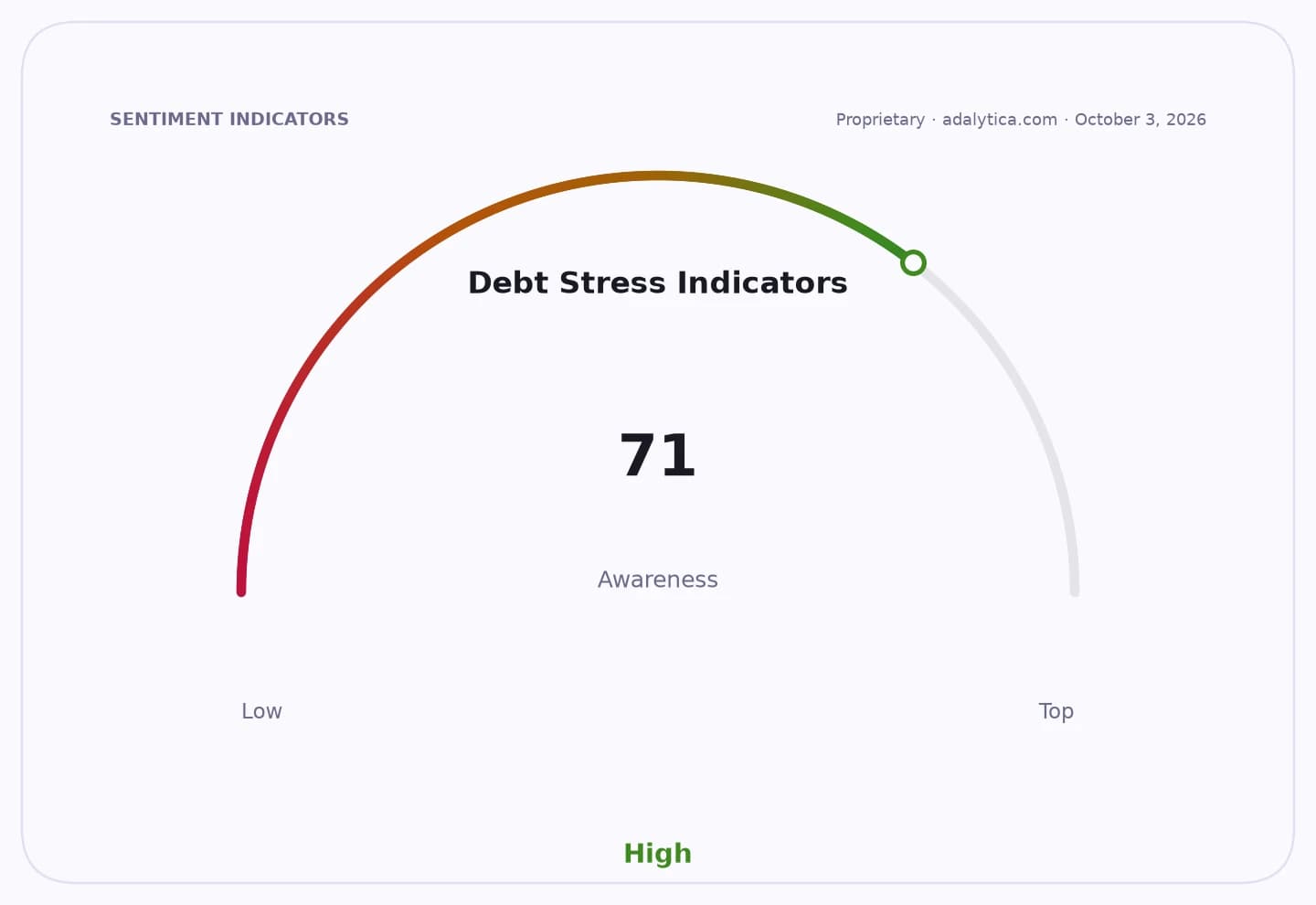
Sentiment IndicatorsⓘProprietary · adalytica.com · October 3, 2026
This is a snapshot — live sentiment, awareness and momentum for 130+ markets update continuously in the dashboard.Open AlphaPulse
For lenders, that matters because bad-credit lending sits at the intersection of necessity and risk. Consumers facing a medical bill, car repair or rent gap often cannot wait for wages to catch up with inflation. They turn to lenders such as Capital One, Synchrony Financial and Ally Financial, where underwriting, pricing and funding discipline determine whether a loan is profitable or a loss-maker. The market has already punished the lenders most exposed to stressed household balance sheets: Capital One and Ally have both traded well below their recent highs, and Synchrony has also given back much of its summer strength. The move reflects more than stock volatility. It points to investor concern that delinquencies, charge-offs and tighter risk appetite could compress returns even if loan demand stays firm.
The technical picture in those stocks underscores that caution. Capital One is trading around $194.72, below its 50-day moving average of $210.85 and its 200-day average of $204.40, with an RSI near 29.8 — a level that typically indicates the shares are oversold, but not necessarily cheap in a fundamental sense. Ally is more stretched on the downside, near $37.91 versus a 50-day average of $42.02 and a 200-day average of $42.25, with RSI around 14.1, while Synchrony sits at $71.77, also below both moving averages. In plain terms, investors have been pricing in slower credit performance and less room for error in consumer finance.
Debt Stress Indicators vs COFadalytica.com
Explore this data interactively — full history, time series and cross-market comparisons.Open AlphaPulse
That is why the “best emergency loans for bad credit” pitch in 2026 is less about the lowest headline rate and more about access, speed and total cost. For borrowers, the bull case is that a softer labor market has not yet turned into mass unemployment, and rising disposable income still offers a cushion. That supports repayment capacity for many households that are temporarily squeezed rather than structurally insolvent. The bear case is that inflation remains sticky and household debt stress has climbed sharply in recent days in Adalytica’s Household Debt Stress Sentiment gauge, suggesting consumers may be leaning more heavily on credit just as lenders become more selective.
The investor angle is straightforward. If employment stays near 4% and income growth holds, loan demand should remain resilient, especially for small-dollar emergency borrowing and unsecured installment products. But if the labor market weakens further, the same borrowers most likely to seek emergency loans are the ones most vulnerable to default. That is the central trade-off for lenders and holders of consumer-finance stocks: more origination volume can help revenue, but only if credit losses stay contained.
For October, the story is not that bad-credit borrowers have a wave of cheap financing available. It is that the market for emergency loans is being shaped by a still-firm but cooling economy, forcing lenders to balance growth against credit quality while consumers pay more for flexibility.
| Entity | Gains | Losses |
|---|---|---|
| Borrowers with bad credit | ▲Access to emergency cash | ▼Higher rates and fees |
| Consumer lenders | ▲Loan demand stays firm | ▼Credit-loss risk rises |
| Capital One, Ally, Synchrony | ▲Origination volume | ▼Margin and valuation pressure |
| Cash-strapped households | ▲Short-term liquidity | ▼Longer debt burden |