A borrower in Finland slashed his car-loan term from nearly 10 years to six and lowered his monthly payment by combining high-cost debt, underscoring how households are using consolidation loans to manage expensive credit-card balances and longer-dated consumer loans.
Finland borrowers cut loan payments with consolidation
The case points to a broader squeeze on household finances as borrowing costs remain elevated. Etua, a loan-comparison service, said 87% of customers who took out consolidation loans in February reduced their monthly installment, with the average payment falling 208 euros. Nearly two-thirds cut their bill by at least 100 euros, while 29% saved at least 300 euros a month.
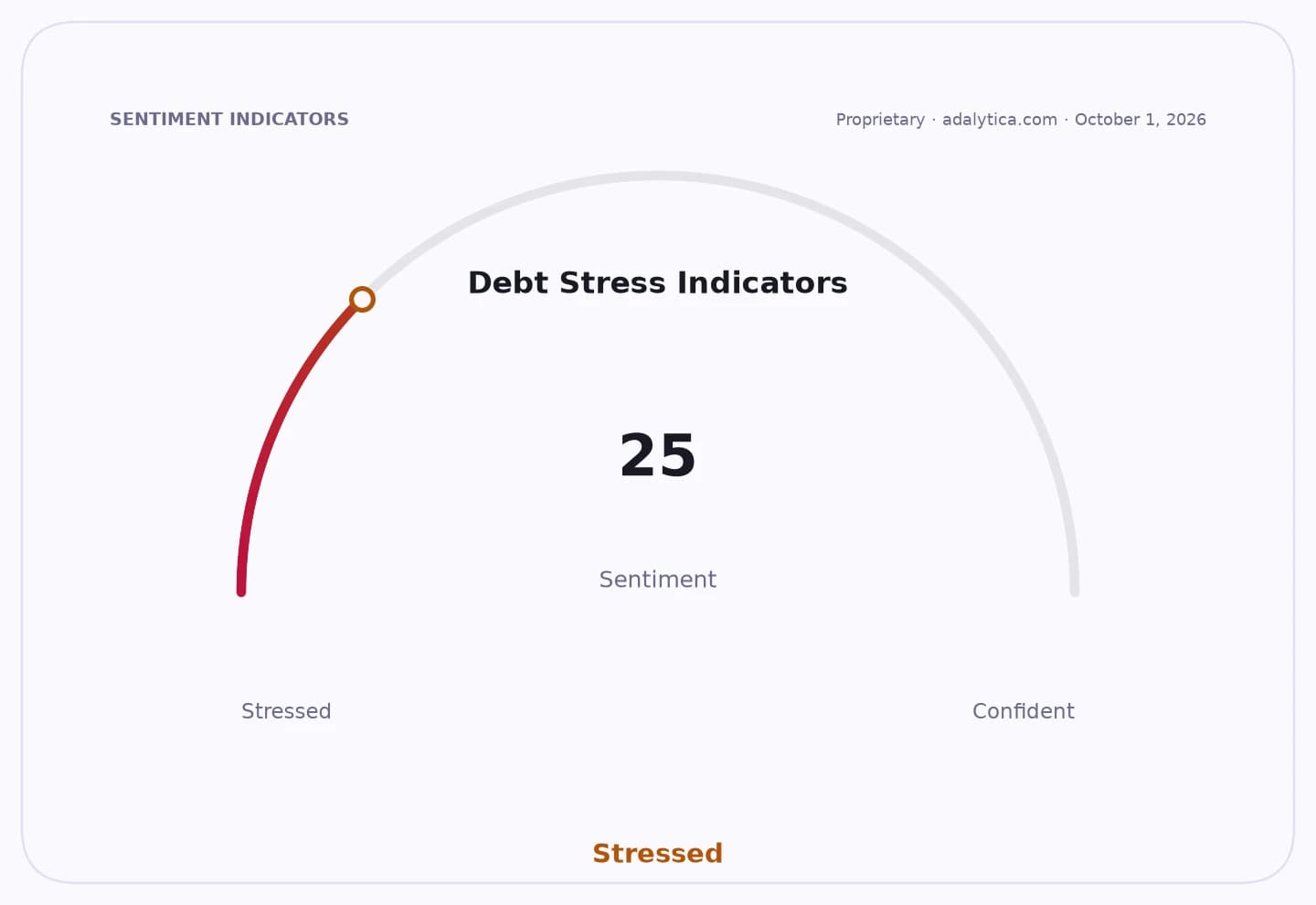
Sentiment IndicatorsⓘProprietary · adalytica.com · October 1, 2026
This is a snapshot — live sentiment, awareness and momentum for 130+ markets update continuously in the dashboard.Open AlphaPulse
For investors, the trend is a read-through on consumer credit quality and demand for refinancing products. When borrowers refinance into lower-cost, shorter-duration loans, it can ease near-term default risk even as it signals that existing debt burdens are heavy enough to force households to shop for relief. The average effective annual rate on consolidation loans through Etua in February was 12.08%, still below many credit-card rates and, in the borrower profile highlighted by the company, about five percentage points under the original car loan.
The borrower, identified by the pseudonym Matti, said his original 8,000-euro car loan would have cost 17,000 euros including interest and fees, before adding credit-card debt on top. He said Etua’s service produced eight offers in minutes and he chose the cheapest one, with a 10.68% effective annual rate.
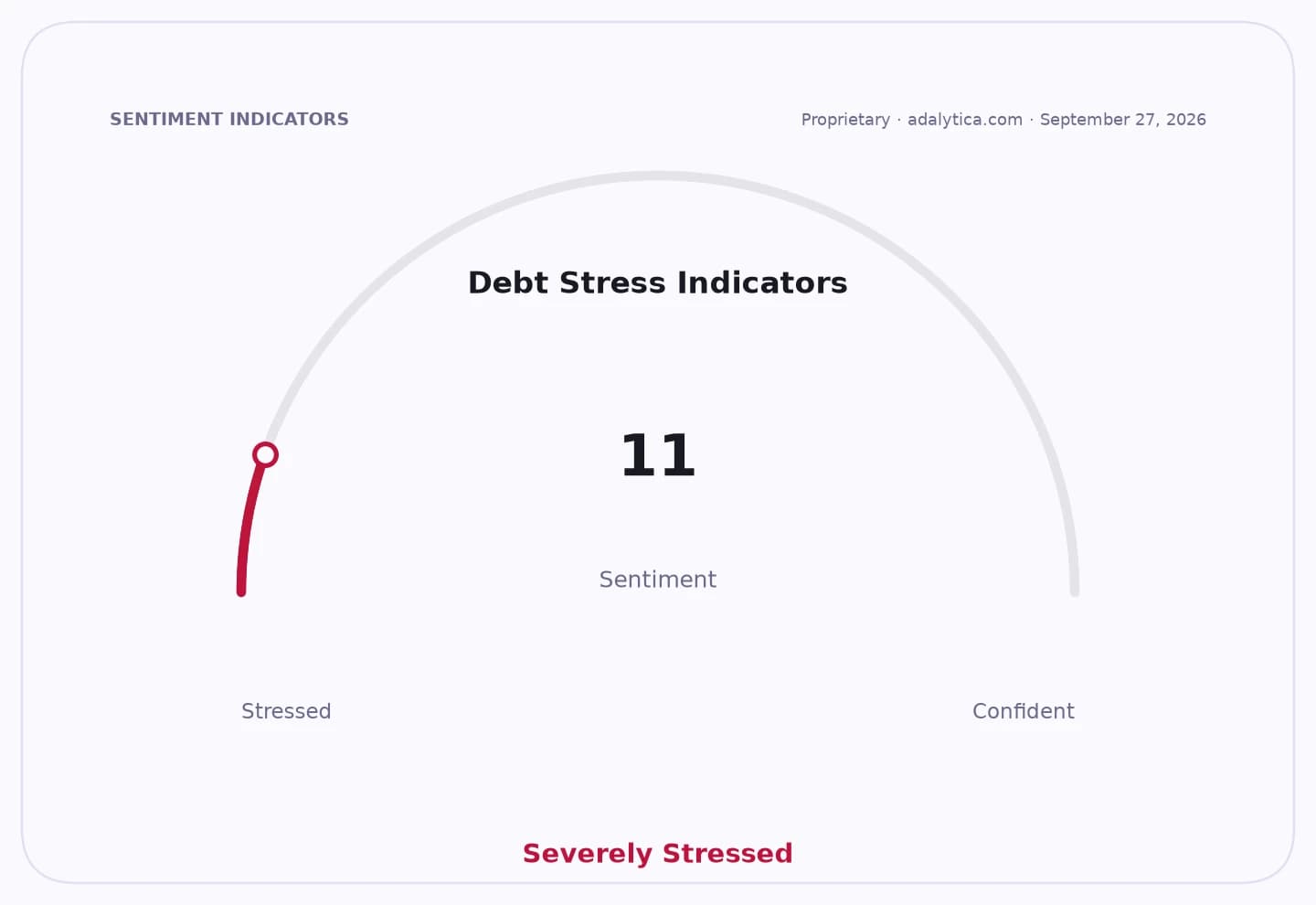
The backdrop remains tight for indebted households. Adalytica’s Household Debt Stress sentiment gauge shows fear at 25, while its Nonfarm Payrolls sentiment sits at 22, suggesting lingering caution around income security and repayment capacity. U.S. Treasury yields near 5.3% and a 3.63% fed funds rate also keep financing costs materially above the ultra-low-rate years that encouraged heavier borrowing.
For lenders, consolidation can be a double-edged outcome: it can preserve repayments and reduce delinquencies, but it also reflects a market where consumers are highly rate-sensitive and shopping aggressively for cheaper credit. Banks and card issuers exposed to unsecured lending may face pressure if more borrowers refinance away from high-margin balances.
The key risk for the sector is whether refinancing demand stays contained or becomes a wider sign of household stress as rates and living costs remain elevated. Investors will be watching consumer-credit performance at banks and card lenders for signs that consolidation is helping stabilize borrowers rather than merely delaying payment strain.
| Entity | Gains | Losses |
|---|---|---|
| Borrowers | ▲Lower monthly payments | ▼Less room in budgets |
| Etua | ▲More loan-comparison demand | ▼Squeezed if refinancing slows |
| Banks offering consolidation loans | ▲New refinancing volume | ▼Lower-rate lending margins |
| Credit-card and high-cost lenders | ▲None | ▼Lost balances and fee income |