Turkey’s inflation crisis is no longer just a macroeconomic problem; it is a savings crisis, a trust crisis and a market-structure problem that has pushed ordinary households into risky products while eroding the value of work itself.
Turkey Inflation Drives Savings Crisis and Fund Risk
That is the core message in Jale Özgentürk’s warning about “decay”: when price stability disappears, the economy stops rewarding production and starts rewarding speculation. The result is not only higher consumer prices but a profound shift in behavior, as millions of households are forced to look for anywhere their money will not melt away.
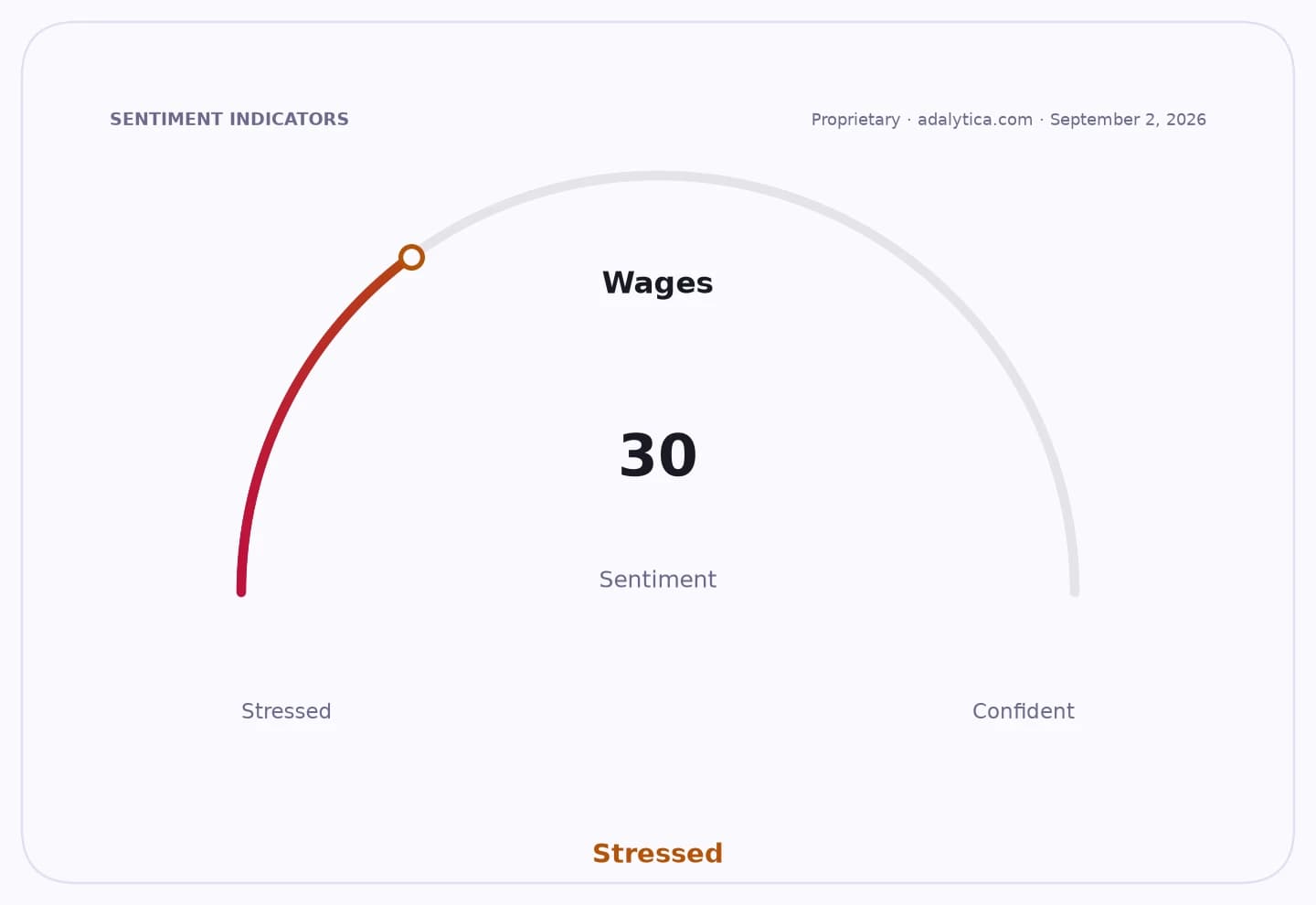
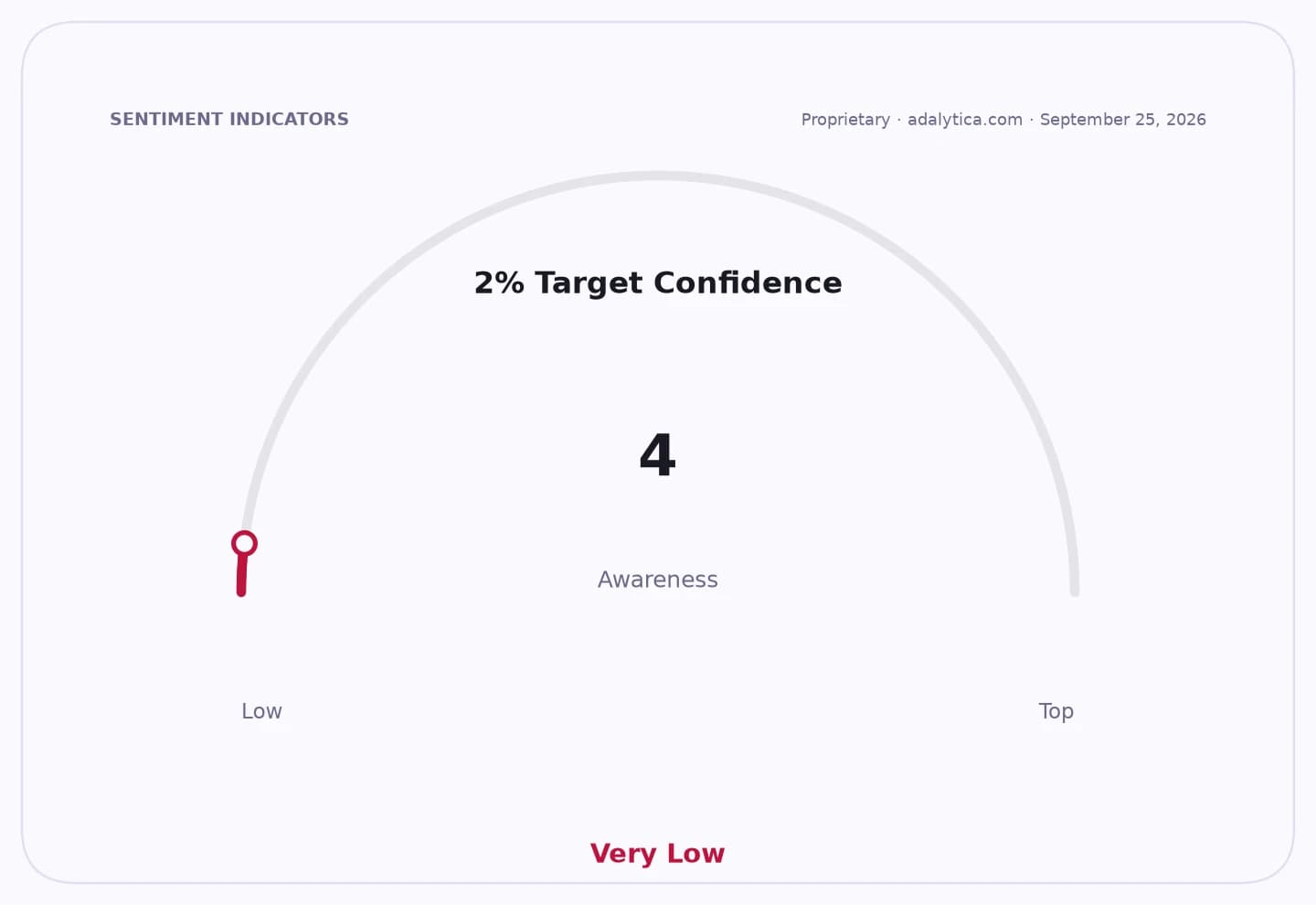
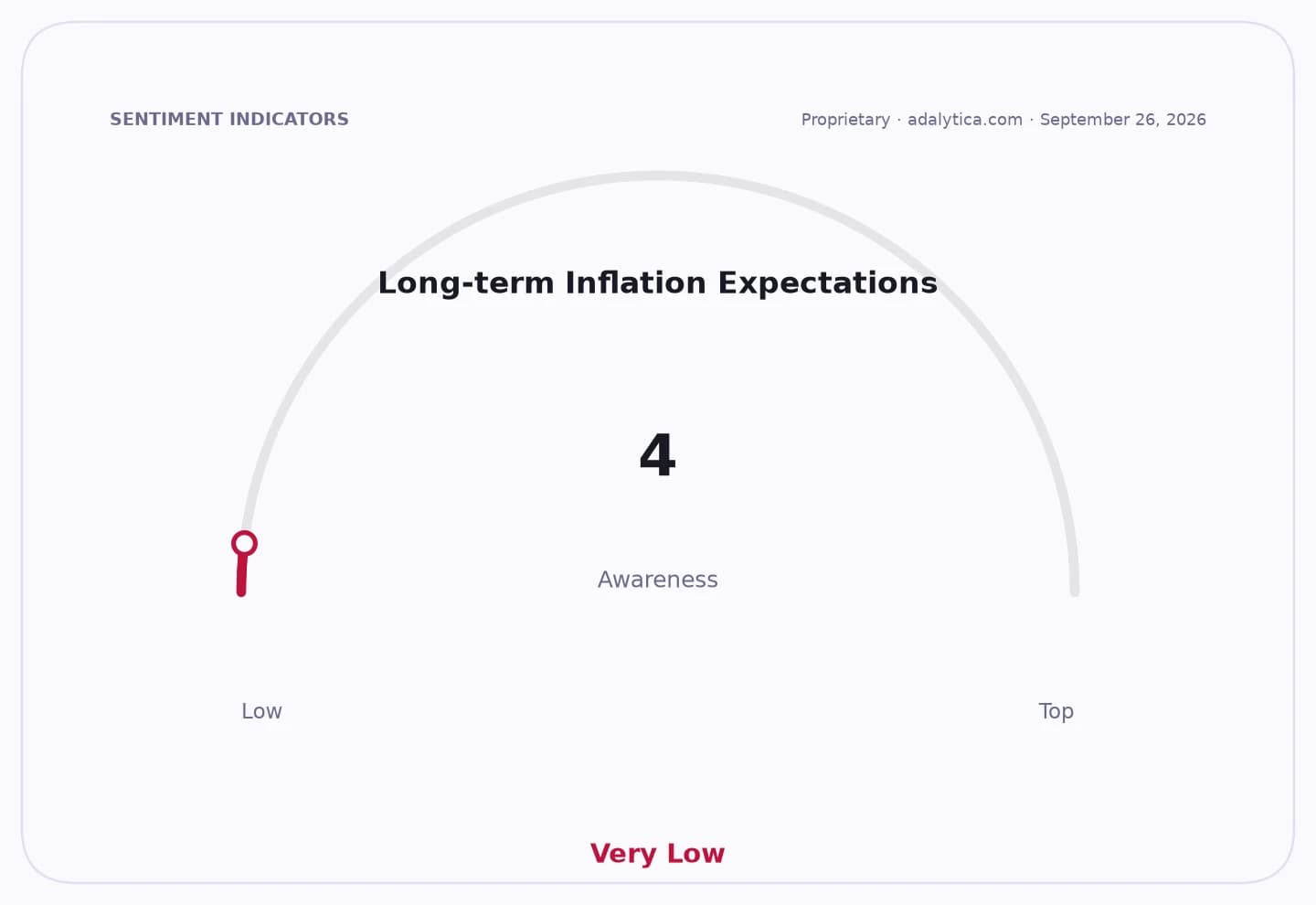
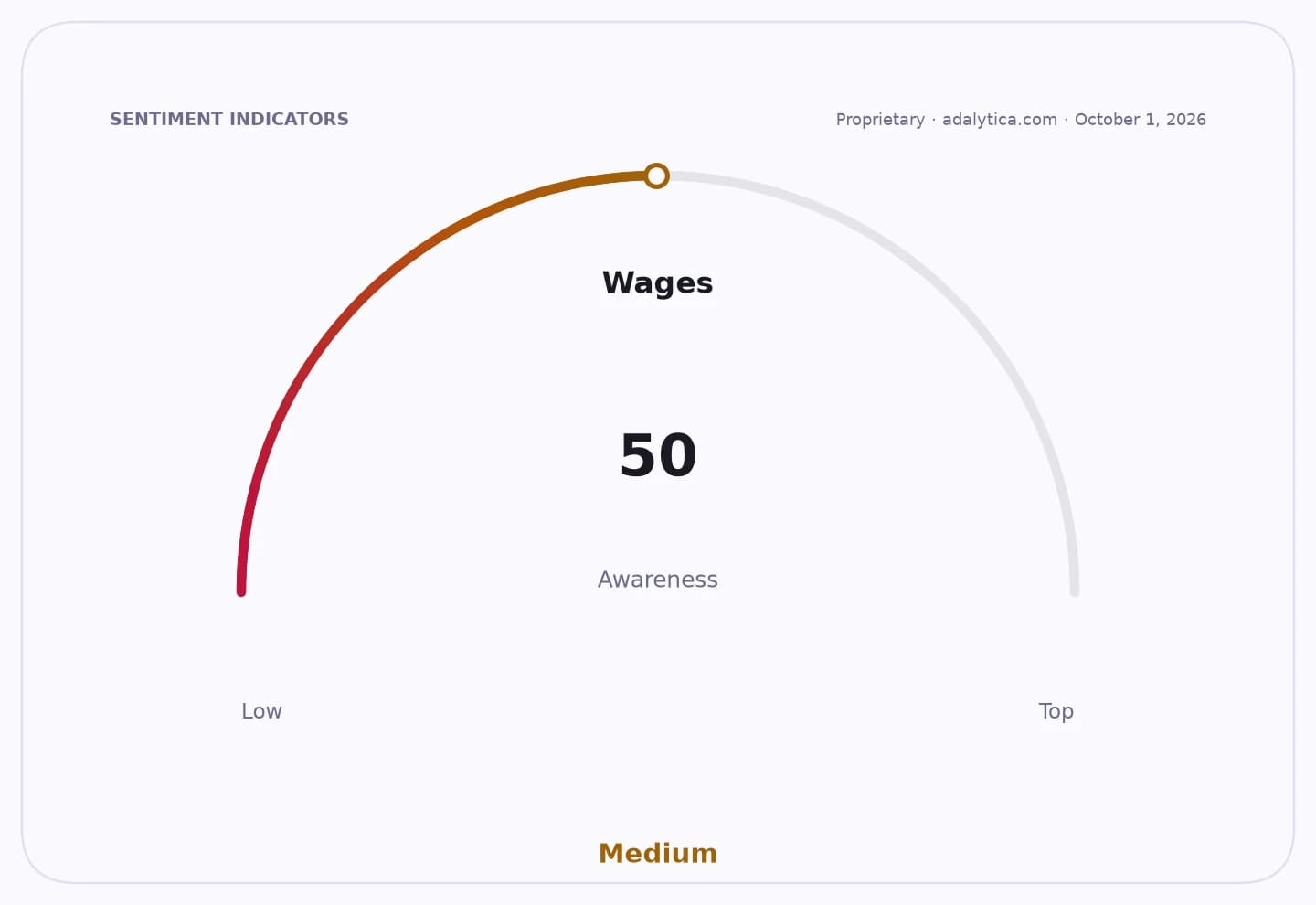
Sentiment IndicatorsⓘProprietary · adalytica.com · October 1, 2026
This is a snapshot — live sentiment, awareness and momentum for 130+ markets update continuously in the dashboard.Open AlphaPulse
The numbers tell the story. Turkey’s policy rate was 19% in September 2021, roughly in line with inflation at 19.58%, before the central bank began cutting. By December that year, the policy rate had been reduced to 14%. Inflation then surged to 85.51% by October 2022. Even though the latest context here is anchored in Turkey’s domestic debate, the economic mechanism is familiar: once real returns turn deeply negative, savers stop saving in cash and start chasing yield, no matter how opaque the product.
That is why this latest fund scandal matters far beyond one set of investors. It reveals what happens when a high-inflation economy pushes retail money into complex structures under the assumption that if a product is sold through a bank or listed on an official screen, it must be safe. In a normal market, a headline about extraordinary returns would trigger skepticism. In a collapsing purchasing-power environment, it often triggers greed, because people are trying to outrun the currency.
The social damage is visible in the data. Labor’s share of gross value added fell from 32.9% in 2020 to 26.3% in 2022, meaning workers took a smaller slice of the economy just as inflation was destroying household balance sheets. Household saving also weakened, with the savings rate dropping from 16.2% in 2018 to 11.3% in 2024. That is not a technical adjustment. It is the exhaustion of a financial system in which people cannot preserve capital through ordinary behavior.
Investors should read this as a warning about where capital flows go when inflation becomes structural. In Turkey, the policy mix did not simply lift prices; it distorted incentives across banks, asset managers, participation finance and consumer behavior. Retail investors were effectively forced out of deposits and into funds, real estate proxies and other yield-chasing products. That creates opportunity for intermediaries in the short run, but it also raises the risk of scandal, regulatory intervention and a further blow to confidence if losses become public.
The latest twist is that state-linked Emlak Katılım has stepped in around Katılımevim and Birevim, while investors in failed funds wait to see how much, if any, money returns to them. That split matters. It shows the state is willing to backstop some parts of the savings-finance ecosystem while retail capital in capital-market products is left exposed to the full force of the loss. For investors, the message is clear: in inflation regimes, policy support is not evenly distributed, and the winners are often the institutions closest to the state.
The bigger trade is not in the scandal itself but in what comes after it. If inflation remains the dominant force, the market will continue to favor hard assets, inflation-linked instruments and businesses with pricing power, while punishing vehicles that depend on trust but lack transparency. If authorities eventually restore credibility, the first beneficiaries will be the banks, asset managers and insurers that can capture returning household savings. Until then, the decay Özgentürk describes will keep pushing ordinary savers toward risk and keep the market vulnerable to the next blow-up.
The investment takeaway is straightforward: in an inflationary economy, trust becomes a scarce asset. Position for the institutions and sectors that can survive a prolonged search for yield, and stay cautious on products that depend on retail faith more than on transparent cash flows.
| Entity | Gains | Losses |
|---|---|---|
| Banks and asset managers | ▲Capture flight-to-yield flows | ▼Face reputational risk |
| State-linked finance firms | ▲Receive implicit support | ▼Take on bailout burden |
| Retail savers | ▲Seek inflation protection | ▼Lose purchasing power |
| Opaque funds/products | ▲Attract desperate money | ▼Face scrutiny and losses |