Turkey’s Treasury and Finance Ministry is preparing a coordinated liquidation and payment process for 131 investment funds, a move aimed at getting cash back to investors more quickly while limiting strain on the broader financial system.
Turkey Treasury to Liquidate 131 Investment Funds
The plan matters because forced or disorderly fund closures can freeze client money, create redemption bottlenecks and erode confidence in asset managers and market plumbing. By extending the liquidation period to six months from three, the Capital Markets Board is giving fund managers more time to unwind positions and distribute proceeds in an orderly way.
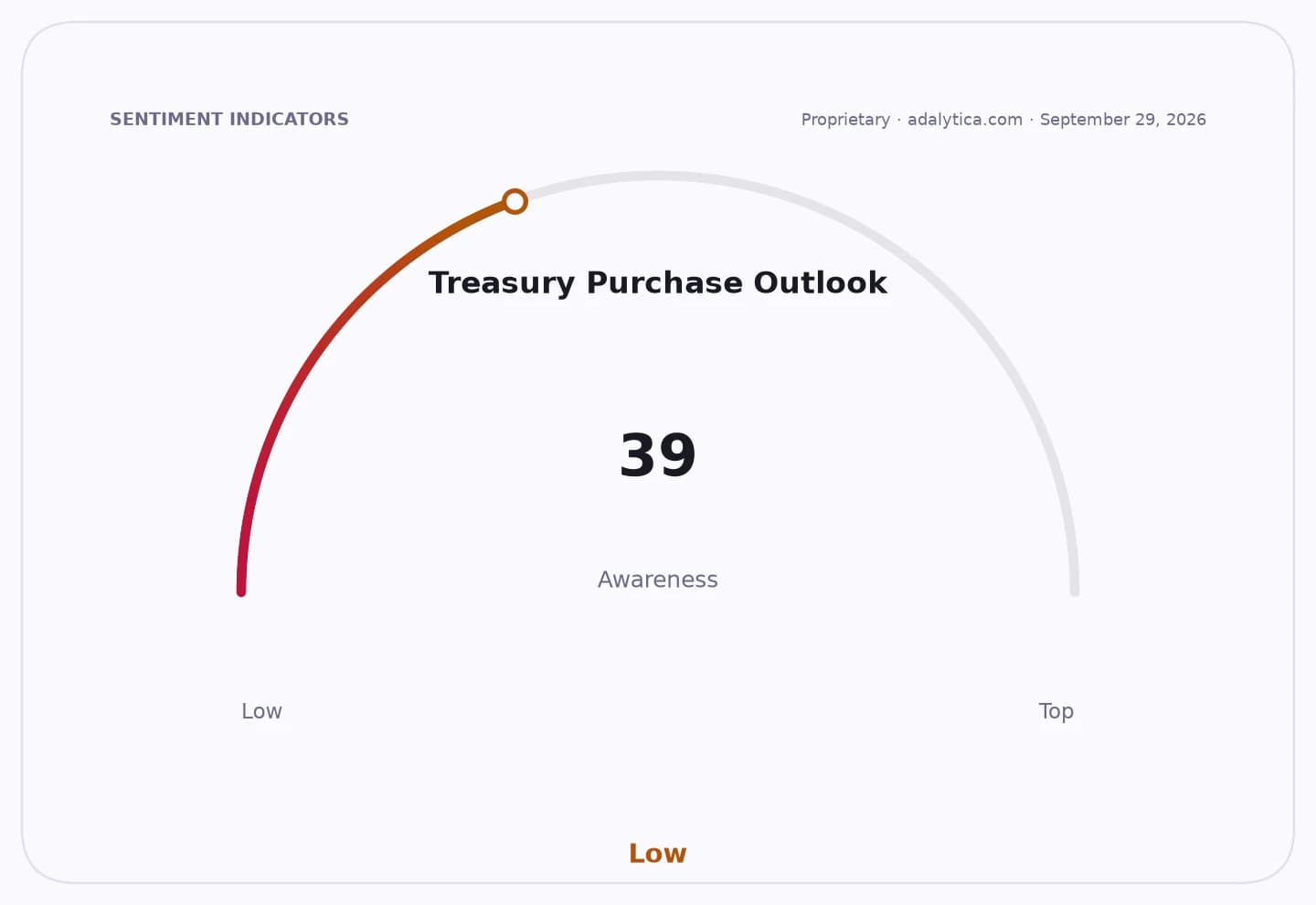
Sentiment IndicatorsⓘProprietary · adalytica.com · September 29, 2026
This is a snapshot — live sentiment, awareness and momentum for 130+ markets update continuously in the dashboard.Open AlphaPulse
According to the ministry, the process covers 131 funds run by seven portfolio management companies and will be handled through technical meetings with relevant institutions. Officials say investor rights and interests are the top priority, alongside keeping the market functioning smoothly and preserving financial stability.
The background to the intervention is a period of pressure around the TEFAS fund platform, where canceled buy and sell orders on Sept. 17 are expected to be settled proportionally from liquidation balances based on fund participation shares. That makes the payout schedule central not only for retail investors, but also for portfolio managers that must liquidate assets without triggering further market stress.
For investors, the key issue is timing and recovery value. A longer wind-down can reduce fire-sale risk, but it also delays cash access, leaving holders exposed to mark-to-market moves in the underlying portfolios and to any valuation disputes during liquidation.
The policy response is also a reminder that Turkey’s authorities are trying to contain knock-on effects in a market where liquidity conditions have been fragile. Adalytica’s financial system liquidity reading is in “Extreme Fear,” while its Treasury purchase sentiment gauge has swung sharply higher, underscoring how quickly confidence can shift around official actions.
The next focus will be how quickly the liquidation framework is finalized, how evenly payouts are distributed and whether the extended timetable prevents additional pressure on the funds’ assets and the wider market.
| Entity | Gains | Losses |
|---|---|---|
| Investors in 131 funds | ▲Faster, orderly payouts | ▼Delayed cash access |
| Treasury and CMB | ▲More market stability | ▼Greater oversight burden |
| Portfolio managers | ▲Less fire-sale pressure | ▼Longer wind-down process |
| Liquidity-sensitive traders | ▲Potentially calmer markets | ▼Uncertainty during liquidation |