The Egyptian Stock Exchange closed lower as foreign selling, tight liquidity and rising geopolitical uncertainty kept investors defensive ahead of the central bank’s interest-rate meeting.
Egyptian stocks fall before central bank rate meeting
That combination matters because Egypt’s market is being pulled by two forces at once: a local cash squeeze that is limiting speculative activity, and an external risk premium that is discouraging fresh exposure. The result is a sideways-to-lower tape even as some analysts argue the broader trend remains intact, with the main indexes still above key support levels.
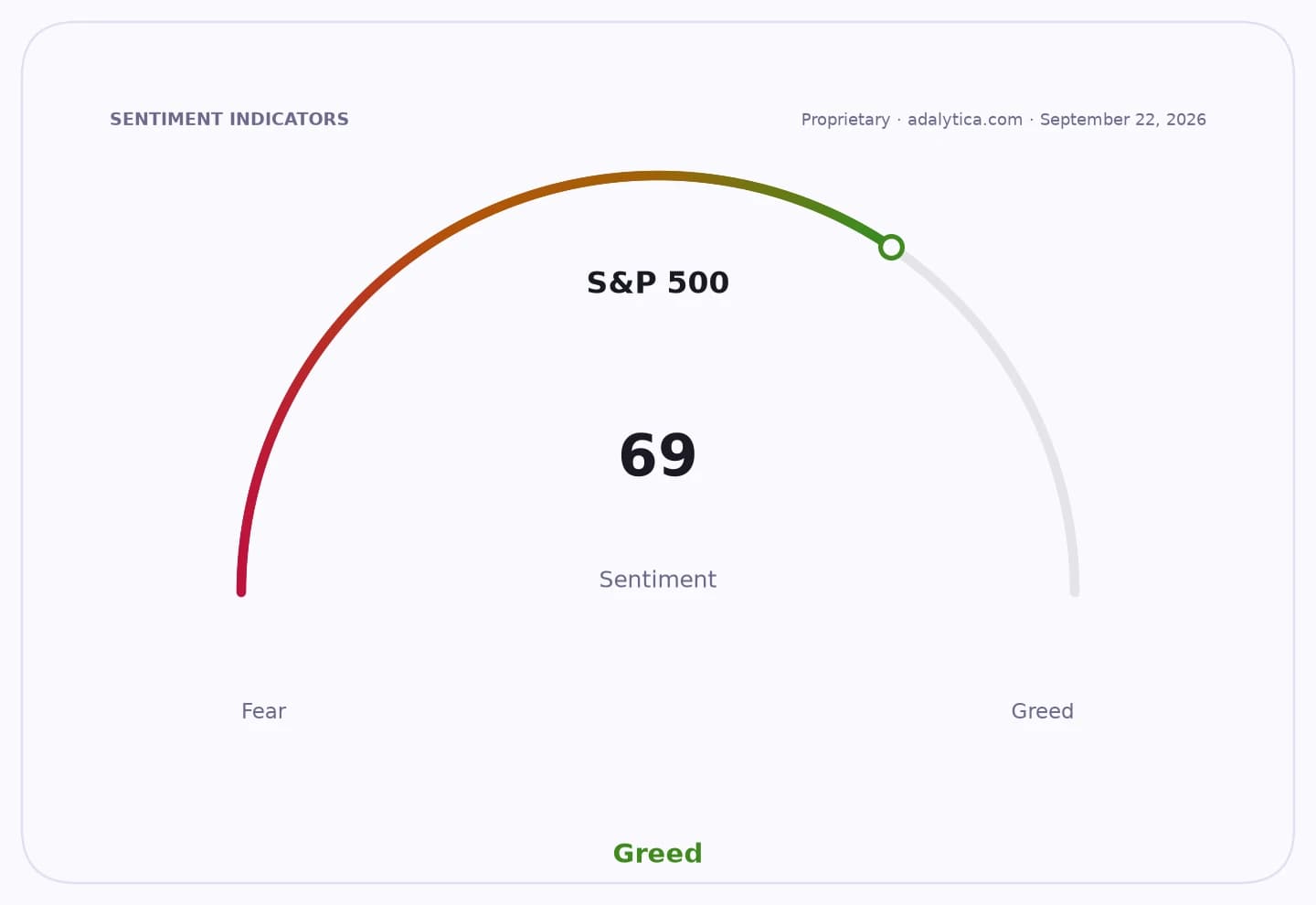
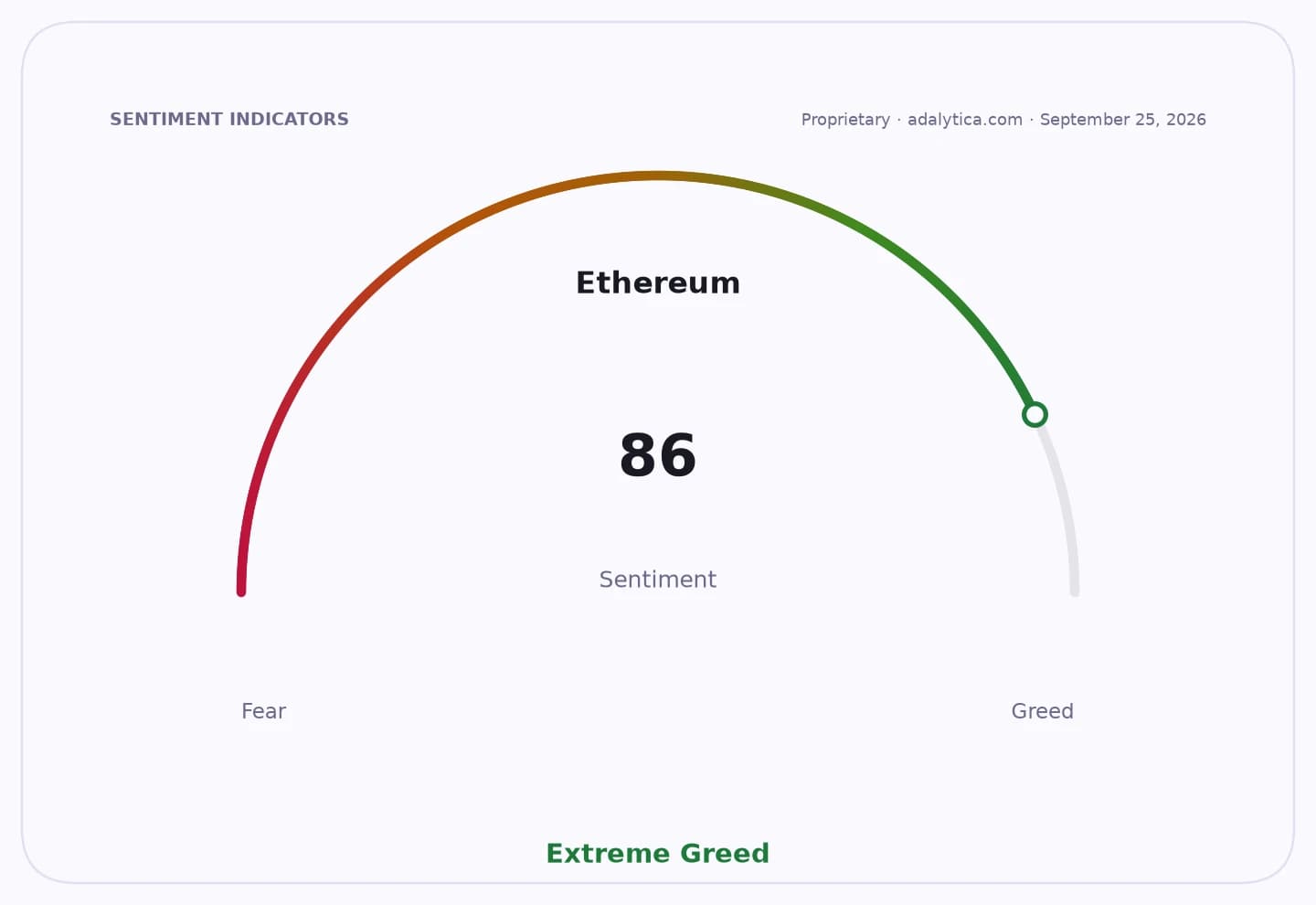
Sentiment IndicatorsⓘProprietary · adalytica.com · September 28, 2026
This is a snapshot — live sentiment, awareness and momentum for 130+ markets update continuously in the dashboard.Open AlphaPulse
The EGX30 fell 1.29% to 54,224 points, while the EGX70 slipped 1.16% to 20,222 and the EGX100 lost 1.14% to 26,686. Turnover reached about 9.2 billion pounds, but that was not enough to absorb the selling, with Egyptian investors recording net sales of 555.8 million pounds. Foreign investors sold into the market even as Arab investors bought, leaving the session dominated by profit-taking and position lightening rather than conviction buying.
Market participants said the pressure is being amplified by the central bank’s move to withdraw more than 500 billion pounds from bank liquidity, a step aimed at mopping up cash and restraining inflation. For equities, that typically means less money chasing shares, weaker short-term momentum and more sensitivity to any negative headline. In a market already unsettled by regional tensions, that liquidity drain is helping turn pullbacks into sharper intraday swings.
Technically, traders are watching 54,068 points on the EGX30 as the first major support, with a break below that level likely to deepen the correction. The small- and mid-cap EGX70 is being monitored near 20,200 points, a zone seen as important after a run-up that left parts of the segment vulnerable to profit-taking. Even so, some brokers describe the move as a healthy consolidation rather than the start of a broader downtrend.
The policy backdrop is also crucial. Investors are waiting for the central bank’s rate decision, and any signal on the path for borrowing costs will feed directly into valuations, especially for leveraged sectors and yield-sensitive names. A more restrictive stance could support the currency and inflation outlook, but it would also keep pressure on liquidity and financing costs, limiting the near-term appetite for equities. A softer-than-expected stance, by contrast, could ease funding conditions but raise questions about inflation control.
Sector-wise, telecoms and construction were among the better performers, while market watchers pointed to tourism, transport and shipping stocks as potential near-term gainers if sentiment stabilizes. For now, however, the dominant narrative is not sector rotation but capital preservation: investors are waiting for policy clarity, watching support levels and treating rallies as opportunities to rebalance rather than add risk.
The market’s next direction will likely depend on whether foreign outflows slow and whether the central bank can reassure investors without tightening liquidity further. If support around 54,000 on the EGX30 holds, the market may remain range-bound; if it fails, the selloff could extend as domestic liquidity remains constrained and global risk aversion stays elevated.
| Entity | Gains | Losses |
|---|---|---|
| Foreign sellers | ▲Lower risk exposure | ▼Potential upside in Egyptian equities |
| Egyptian Stock Exchange bulls | ▲Support holds near 54,000 | ▼Breakdown below key levels |
| Central bank | ▲Stronger inflation control | ▼Equity-market liquidity |
| Domestic investors | ▲Selective dip-buying opportunities | ▼Short-term mark-to-market losses |