Egypt’s stock exchange is stepping up efforts to draw more companies to list after saying market capitalization has climbed above 4.3 trillion Egyptian pounds and average daily turnover has reached almost 10 billion pounds, levels it says reflect stronger liquidity and rising investor appetite.
Egyptian Exchange Pushes Listings as Turnover Rises
The push matters because Egypt is trying to turn a stronger trading backdrop into a broader capital-raising cycle. More listings would give local and foreign investors fresh options, deepen the market and help funnel financing to companies without relying solely on bank lending, which remains costly in a high-rate environment.
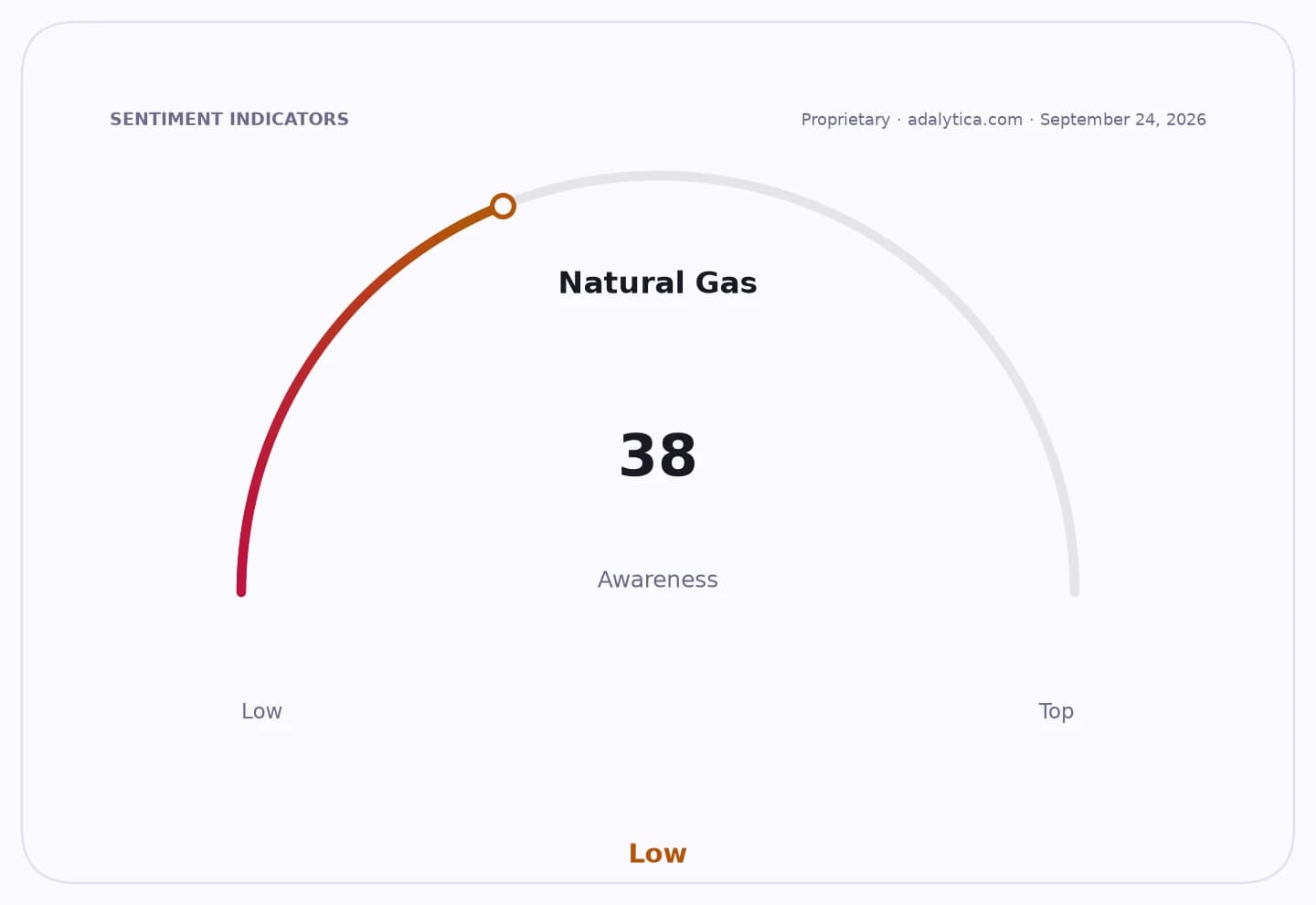
Sentiment IndicatorsⓘProprietary · adalytica.com · September 18, 2026
This is a snapshot — live sentiment, awareness and momentum for 130+ markets update continuously in the dashboard.Open AlphaPulse
The discussion came in a meeting between the Egyptian Businessmen Association and Egyptian Exchange chairman Omar Riad, where the exchange pitched the benefits of listing, recent market developments and new financial instruments. It also highlighted a government privatization pipeline that could anchor volumes, with Cairo Bank and Misr Life Insurance named among the prospective offerings.
For investors, the exchange is signaling that a series of tax and market-structure changes is starting to matter. Authorities have shifted from capital gains tax to a simplified stamp duty, lowered the levy on non-residents, exempted market makers and introduced investment deductions for companies that list, moves designed to boost turnover and widen ownership.
The exchange also pointed to derivative products and a revamped short-selling framework as tools to improve depth and liquidity, areas that have long limited participation in the Egyptian market. That combination of privatizations, incentives and new products could make Cairo a more relevant destination for institutional flows if execution holds.
| Entity | Gains | Losses |
|---|---|---|
| Egyptian Exchange | ▲Higher turnover, more listings | ▼Pressure to deliver execution |
| Egyptian companies seeking capital | ▲New funding access | ▼More disclosure and compliance |
| Investors and traders | ▲Deeper market, more instruments | ▼Higher complexity and volatility |
| Banks and private lenders | ▲Potential fee competition | ▼Some financing demand shifts to equities |