Bulgaria’s social affairs minister said the government wants the 2027 minimum wage to move as close as possible to the formula’s top threshold of 672.80 euros, a move that would lift labor costs, pressure the budget and sharpen a long-running debate over whether pay gains should come from automatic indexation or productivity growth.
Bulgaria 2027 Minimum Wage Nears 672.80 Euro Cap
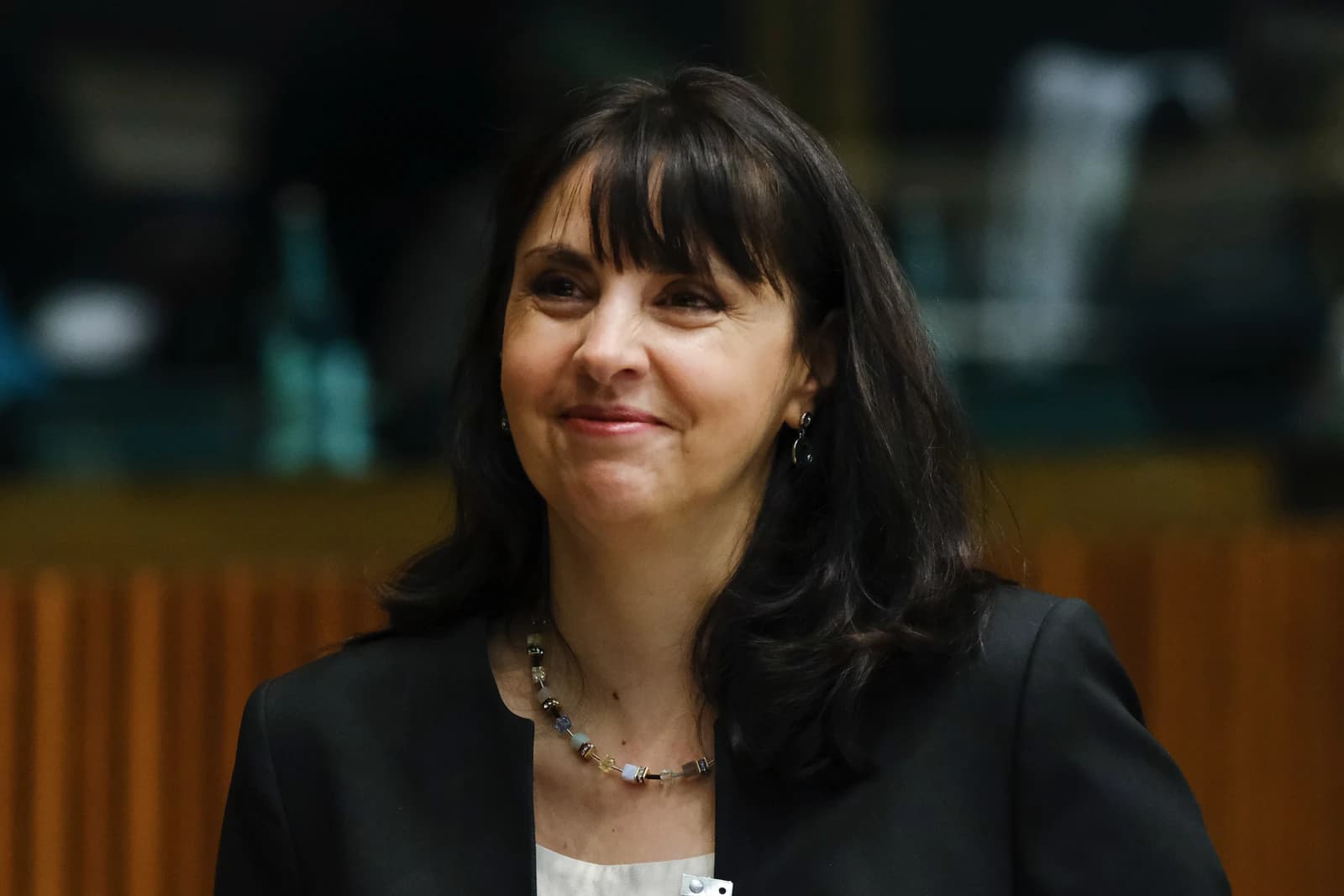
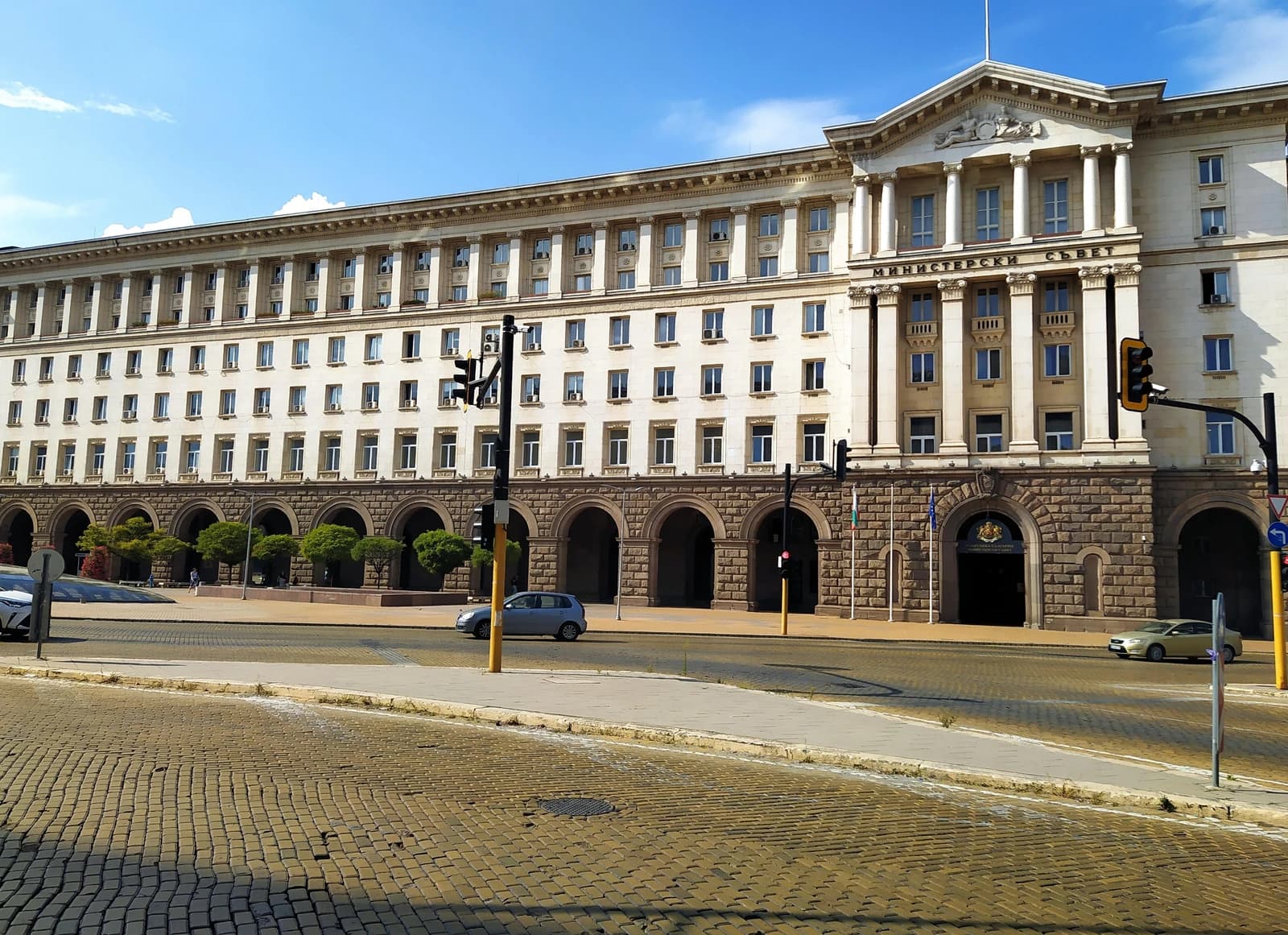
Nataliya Efremova said calculations are already under way for next year’s wage setting, with scenarios also being modeled around 660 euros and lower levels. The choice matters because the minimum wage feeds directly into public spending and revenue, affecting not only private-sector payrolls but also a range of state-linked payments and budget assumptions.
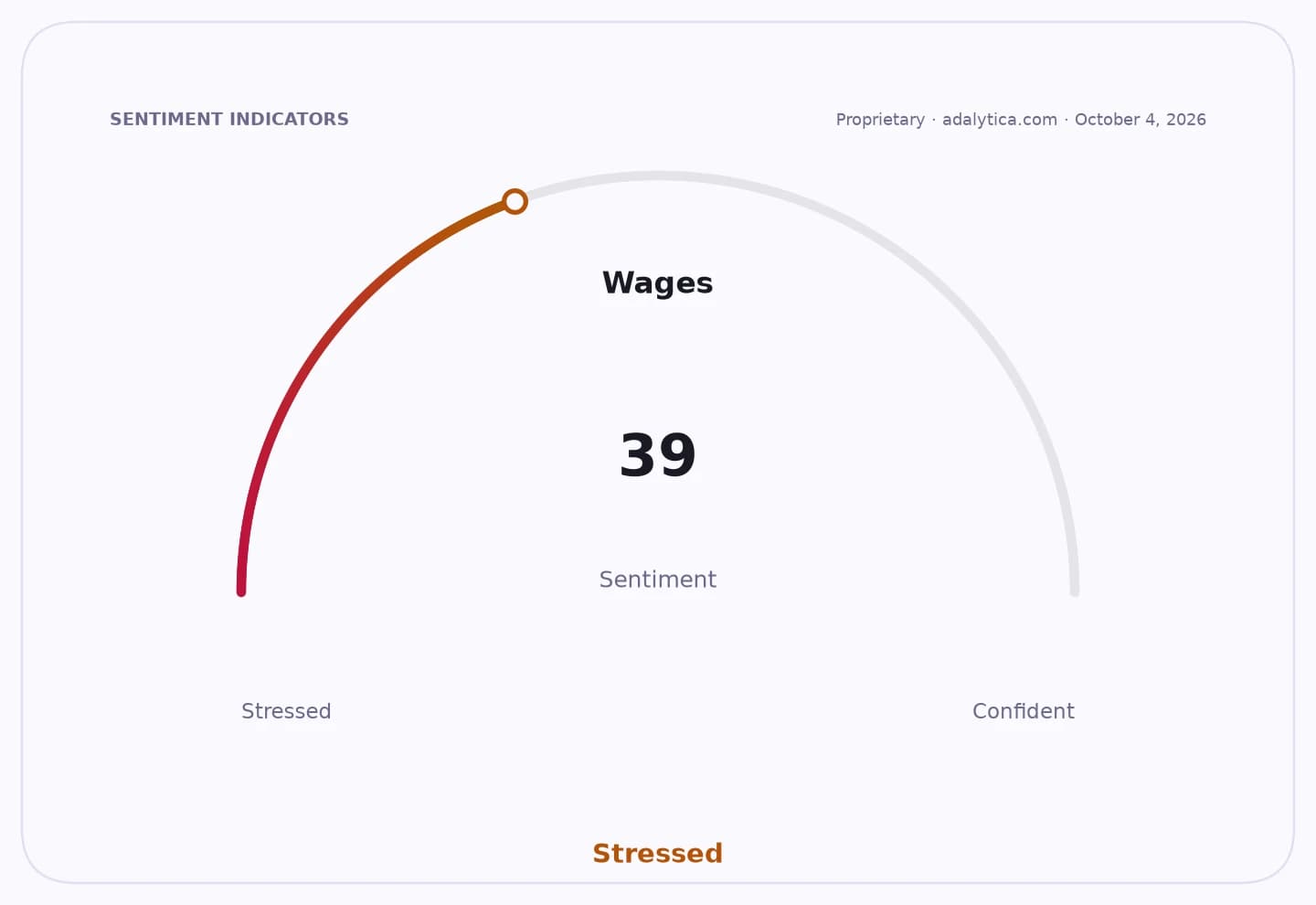
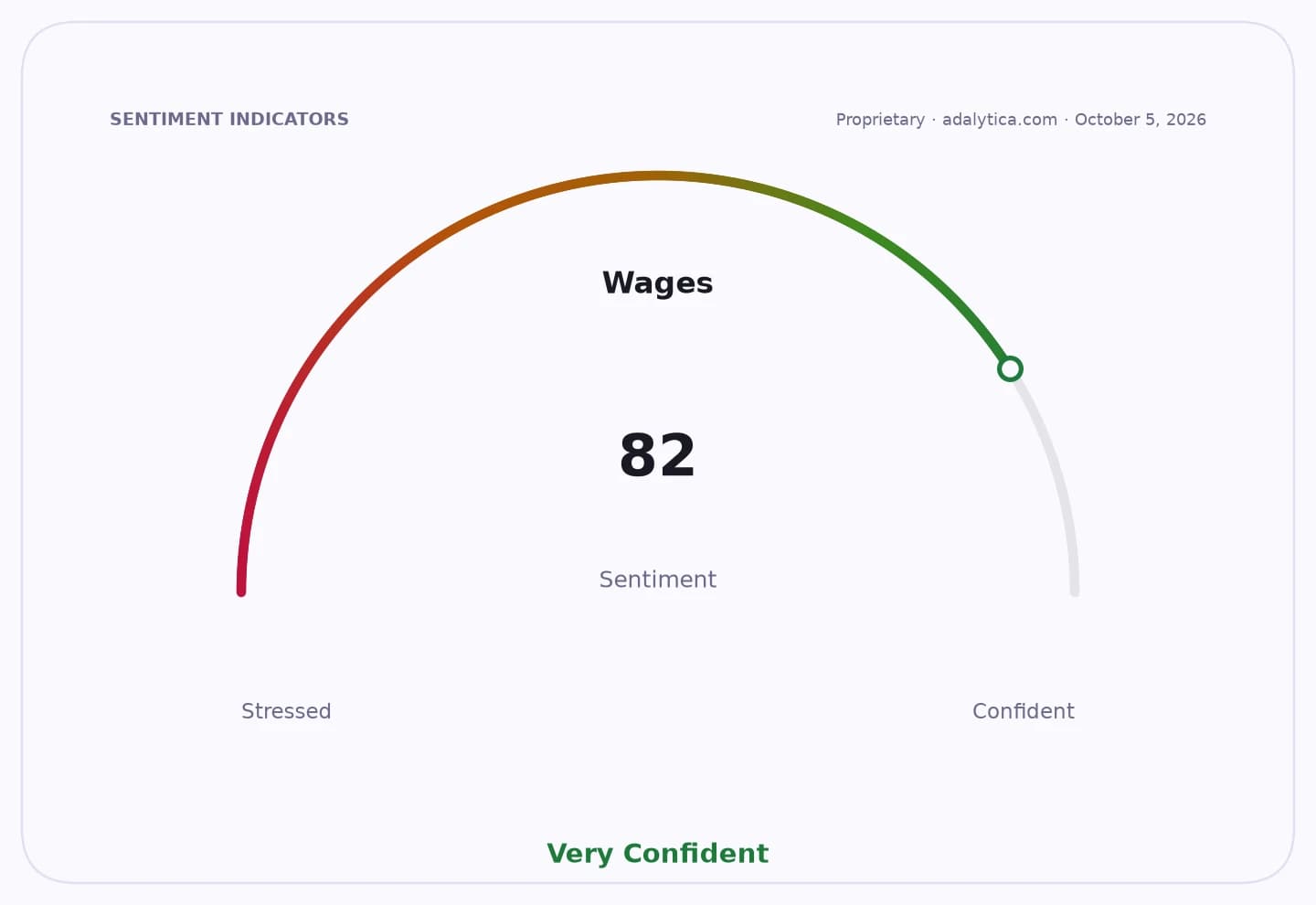
Sentiment IndicatorsⓘProprietary · adalytica.com · October 4, 2026
This is a snapshot — live sentiment, awareness and momentum for 130+ markets update continuously in the dashboard.Open AlphaPulse
Efremova’s comments suggest Sofia is leaning toward a higher wage floor despite warnings from employers that automatic increases can outpace economic reality. She said the government has to weigh all budget parameters, underscoring the fiscal trade-off: bigger pay rises may support household incomes and consumption, but they can also tighten margins for low-wage employers and add to state expenditure.
The minister also framed the debate as a labor-market problem rather than only a pay issue. She said Bulgaria should focus on reducing the number of people on minimum wages, arguing the economy needs more skilled workers. That is economically important in a country where employers complain of labor shortages while more than 150,000 people are registered with job centers, roughly half of them with only basic education or none at all.
That creates a split among investors and businesses. A higher minimum wage can aid domestic demand and support retailers, consumer-facing companies and households at the lower end of the income distribution. But it can also squeeze labor-intensive sectors, particularly employers with thin margins, and complicate public finances if related benefits and indexed payments rise alongside wages.
Efremova said the 2027 budget will prioritize protecting payments for vulnerable groups, including support for people with disabilities and a somewhat better second-year maternity allowance. At the same time, the government wants to use more active labor-market policies, pushing unemployed people into training and then into suitable jobs. That points to a broader policy shift away from passive transfers and toward measures meant to raise employability, productivity and tax revenue over time.
For investors, the immediate issue is not just the wage number itself but the signal it sends about Bulgaria’s balance between social support and fiscal restraint. If the government lands near the top of the formula, the impact will be felt in wage bills, consumer spending, and potentially in the pricing of labor-intensive businesses. The bigger story, though, is whether Sofia can pair higher wages with faster skills upgrading, which would make pay growth more sustainable rather than simply administrative.
| Entity | Gains | Losses |
|---|---|---|
| Low-paid workers | ▲Higher take-home pay | ▼None immediately |
| Employers | ▲Labor supply may improve if training expands | ▼Higher payroll costs |
| Bulgarian budget | ▲Potentially stronger consumer demand | ▼Higher social spending pressure |
| Domestic consumers | ▲More income support | ▼Risk of higher prices if costs rise |