Food prices across Egypt were broadly steady on Monday, easing some pressure on household budgets even as global grain and edible-oil markets remain unsettled.
Egypt food prices steady as grain markets stay volatile
That stability matters because staples such as rice, beans, sunflower oil, pasta and eggs sit at the center of consumer inflation, and in a country where food accounts for a large share of spending, even small moves can shape real incomes, retail demand and the path of inflation.
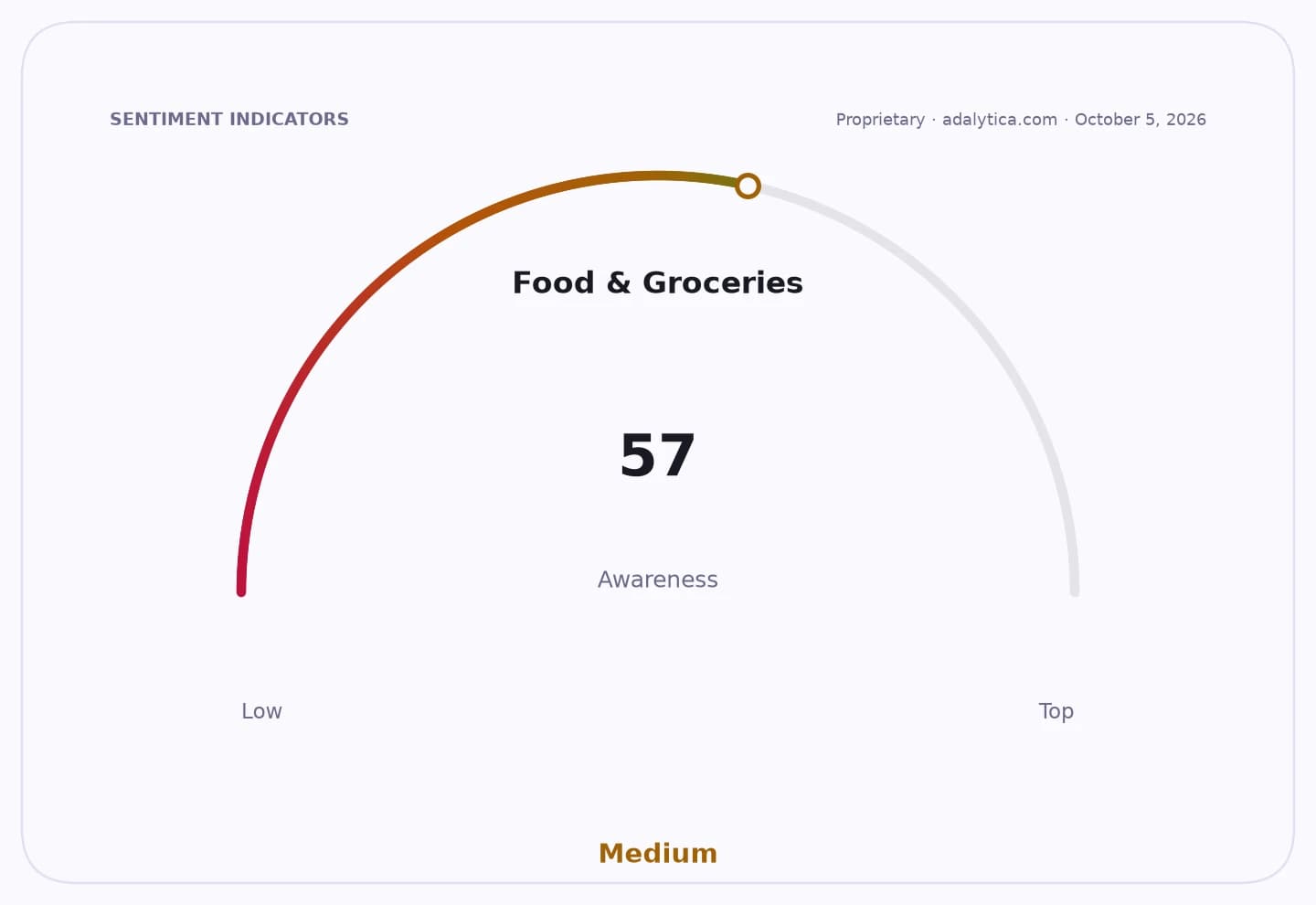
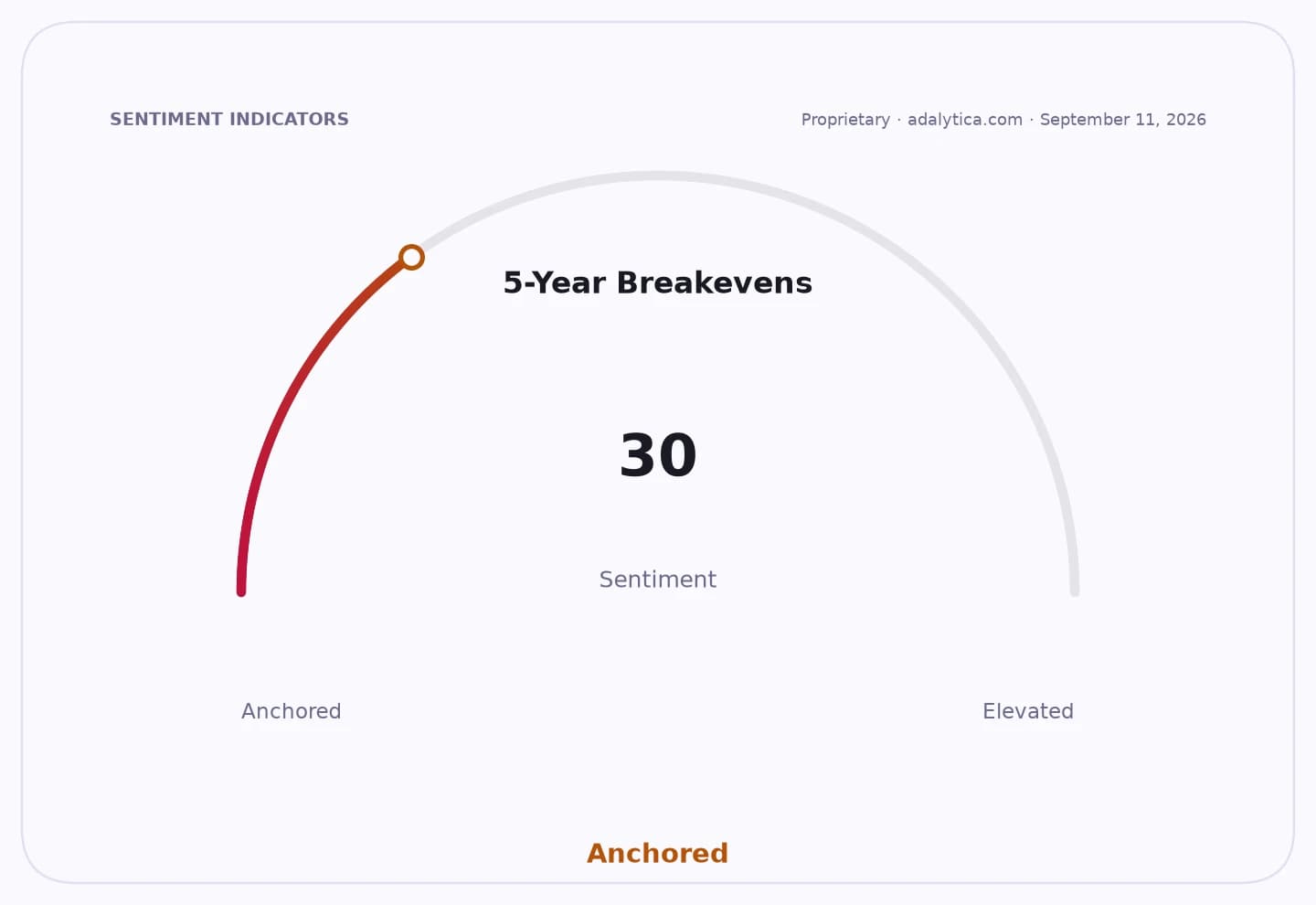
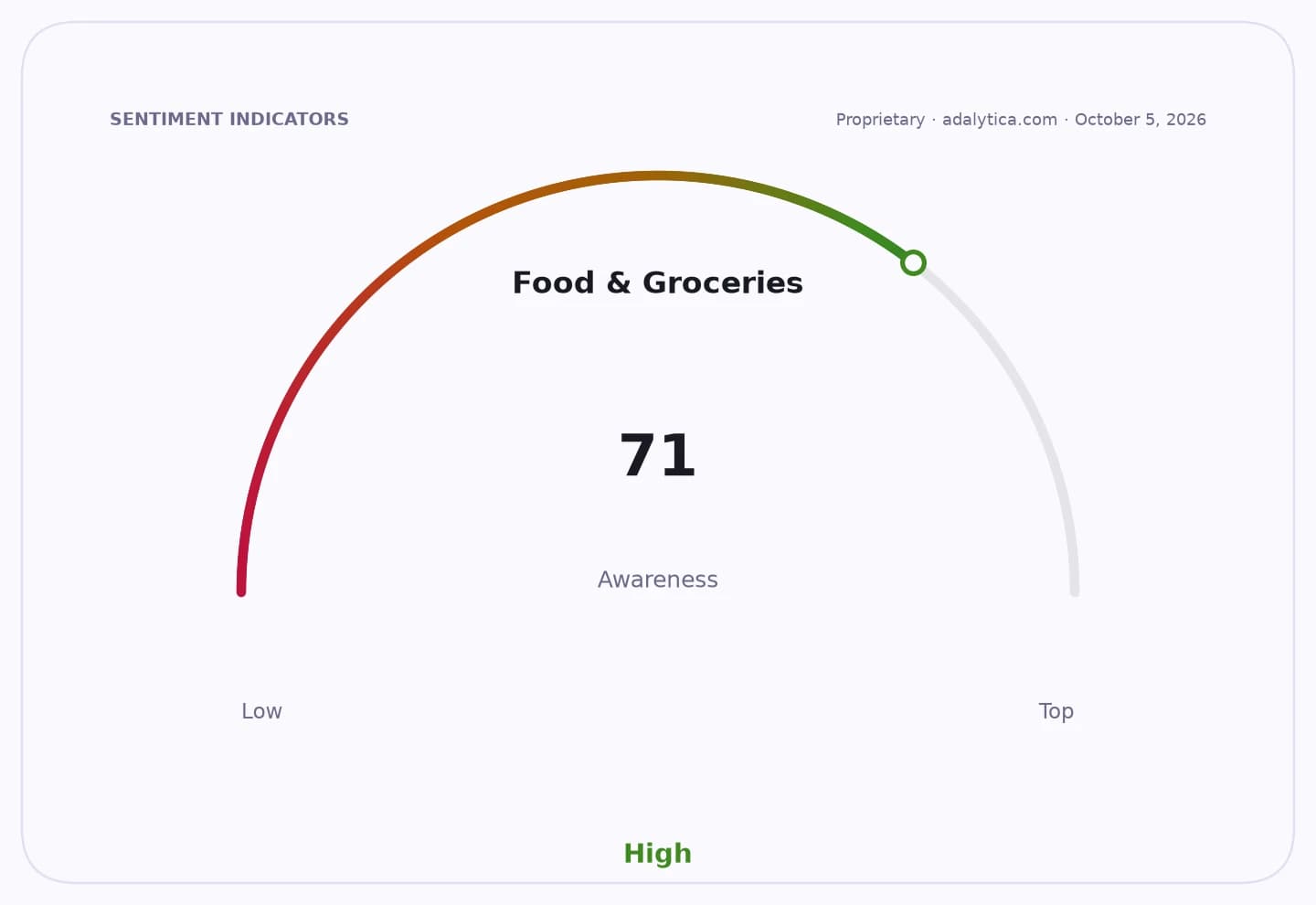
Sentiment IndicatorsⓘProprietary · adalytica.com · October 5, 2026
This is a snapshot — live sentiment, awareness and momentum for 130+ markets update continuously in the dashboard.Open AlphaPulse
According to the government’s local prices portal, a kilogram of packed rice was at about 35.13 Egyptian pounds, packed beans at 62.04 pounds and sunflower oil at 100.94 pounds a liter. Pasta prices were also little changed, with 400 grams of packaged pasta at 24.43 pounds, while a carton of eggs stood at 116.41 pounds, or about 4.6 pounds for a white egg and 4.74 pounds for a red one.
For investors, the key point is not just that prices were stable on one day, but that food inflation appears to be cooling from the sort of acute spikes that can unsettle consumers, retailers and policymakers. When basic groceries stop accelerating, central banks and finance ministries get a little more room to work with, and discretionary spending tends to recover faster than it would under a fresh food-price shock.
Food & Groceries vs DBAadalytica.com
Explore this data interactively — full history, time series and cross-market comparisons.Open AlphaPulse
The calm in Egypt contrasts with the broader global backdrop, where food costs have been pushed higher by climate disruption and geopolitical strain. Recent market data show agricultural benchmarks such as wheat, corn and the diversified agriculture ETF DBA have all been volatile, reflecting a world where weather and supply chains still matter. Wheat futures have slid to about $24.75 from a recent high near $26.96, corn to roughly $18.85 from above $20, while DBA has eased to about $28.21 after earlier gains. Those moves suggest commodity traders are still wrestling with uneven supply conditions, not a clean, lasting break in inflationary pressure.
That is why this kind of local stabilization is important even if it looks modest. Egypt imports much of what feeds its households and businesses, so any respite in staple pricing can help protect margins for food retailers, restaurants and packaged-food makers, while giving consumers a little breathing room. It also matters for the broader inflation picture, because food is the item most likely to change how people feel about the economy long before official data catch up.
The longer-term question for investors is whether this calm can last. If global grain markets remain volatile and climate risks persist, today’s steadiness could prove temporary. But if supply conditions keep improving, the benefit could ripple through consumer spending, retailer volumes and inflation-sensitive assets. For now, the message is simple: staple prices in Egypt are holding, and that is worth watching for anyone focused on consumer demand and inflation trends.
| Entity | Gains | Losses |
|---|---|---|
| Egyptian households | ▲Slight relief on grocery bills | ▼Still face elevated food costs |
| Retailers and grocers | ▲More stable demand patterns | ▼Less room for price-led gains |
| Food importers | ▲Easier near-term planning | ▼Margins if global costs re-accelerate |
| Commodity bulls | ▲Slower inflation narrative | ▼Fresh upside in grain and oil prices |