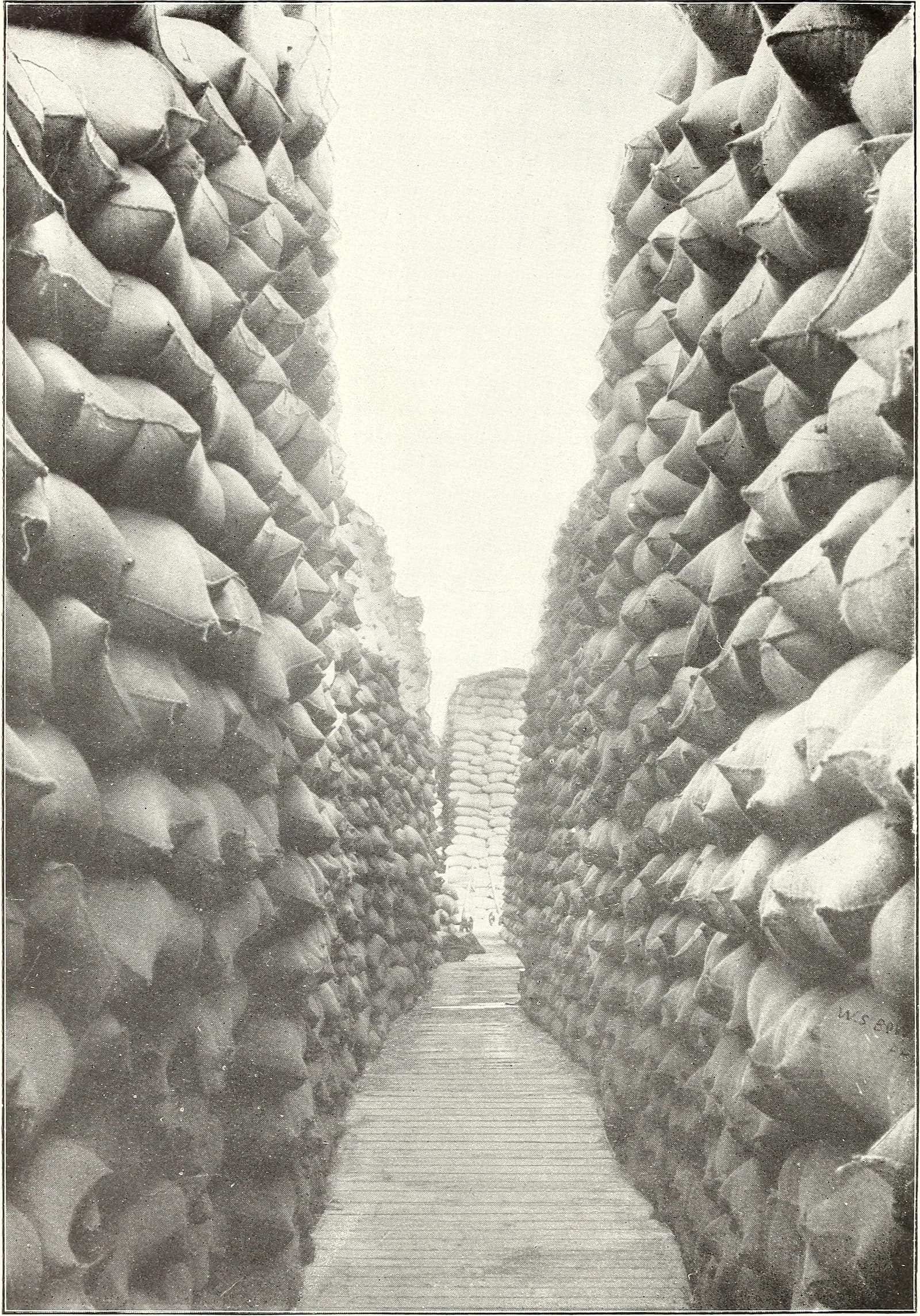
Egypt’s grain system is relying on carefully managed stocks at Mit Ghamr in Dakahlia, where officials said the silo is holding 46,710 tons of wheat — enough to keep mills supplied and subsidized bread production moving as global wheat markets remain tight.
Egypt Mit Ghamr silo holds 46,710 tons of wheat
The figure matters because Egypt, the world’s largest wheat importer, depends on a steady flow of both domestic and foreign grain to protect food security and contain budget pressure from bread subsidies. The Mit Ghamr silo, with a total capacity of about 60,000 tons, is operating at roughly 78% of capacity and is carrying an almost even split between 23,500 tons of local wheat and 23,210 tons of imported wheat. That mix is central to Egypt’s milling model, which blends domestic and foreign wheat to stabilize supply and maintain flour output for bakeries.
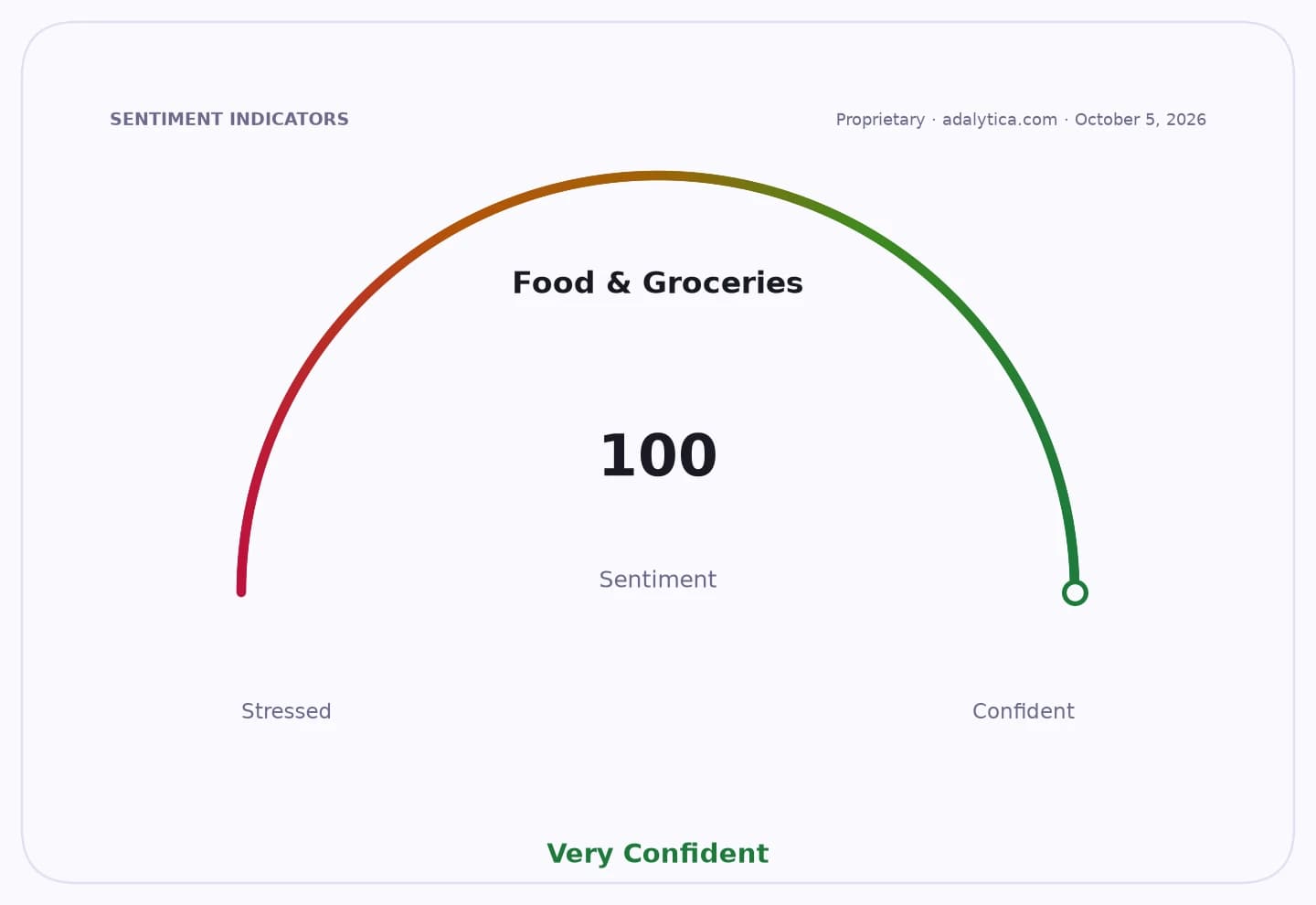
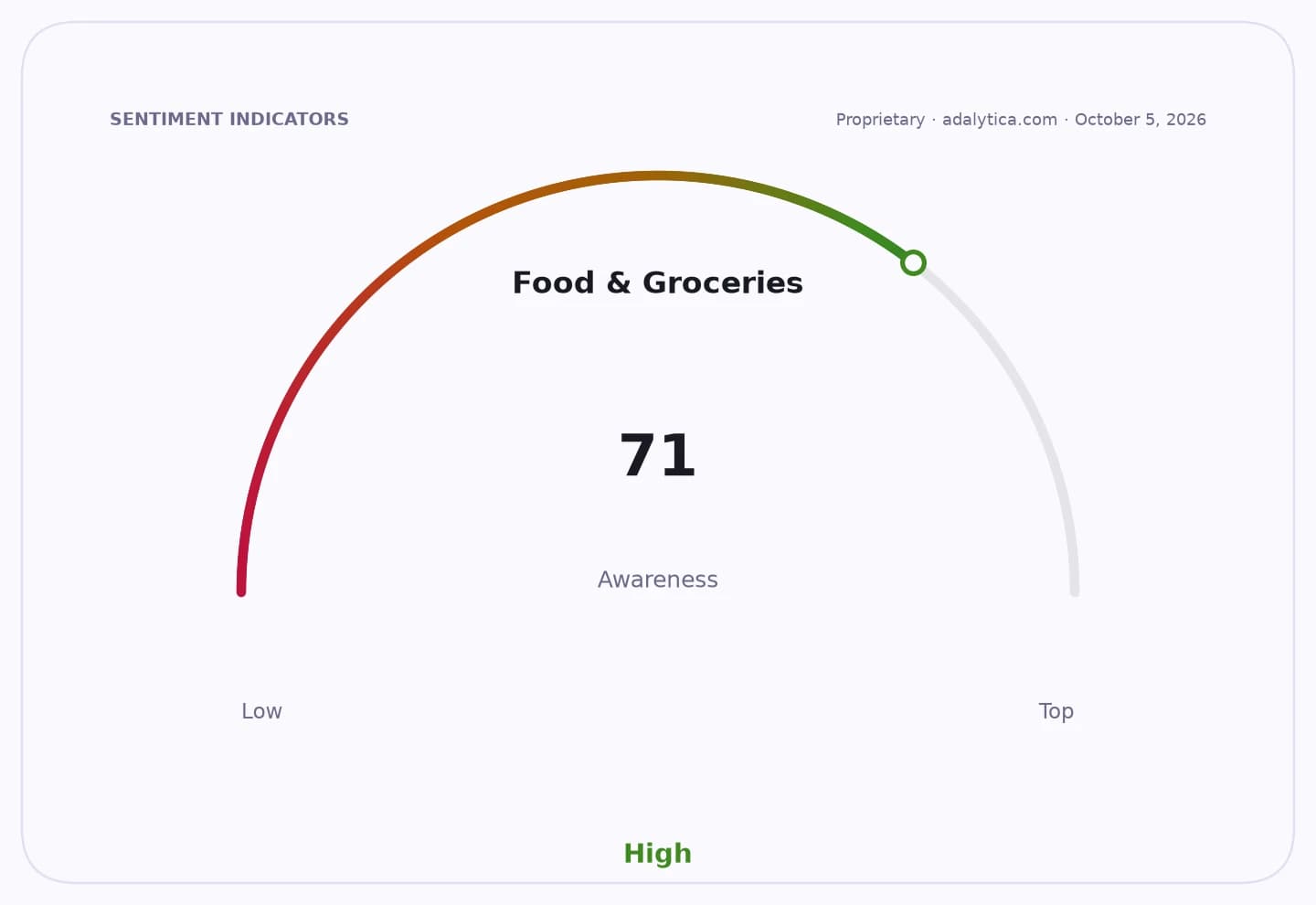
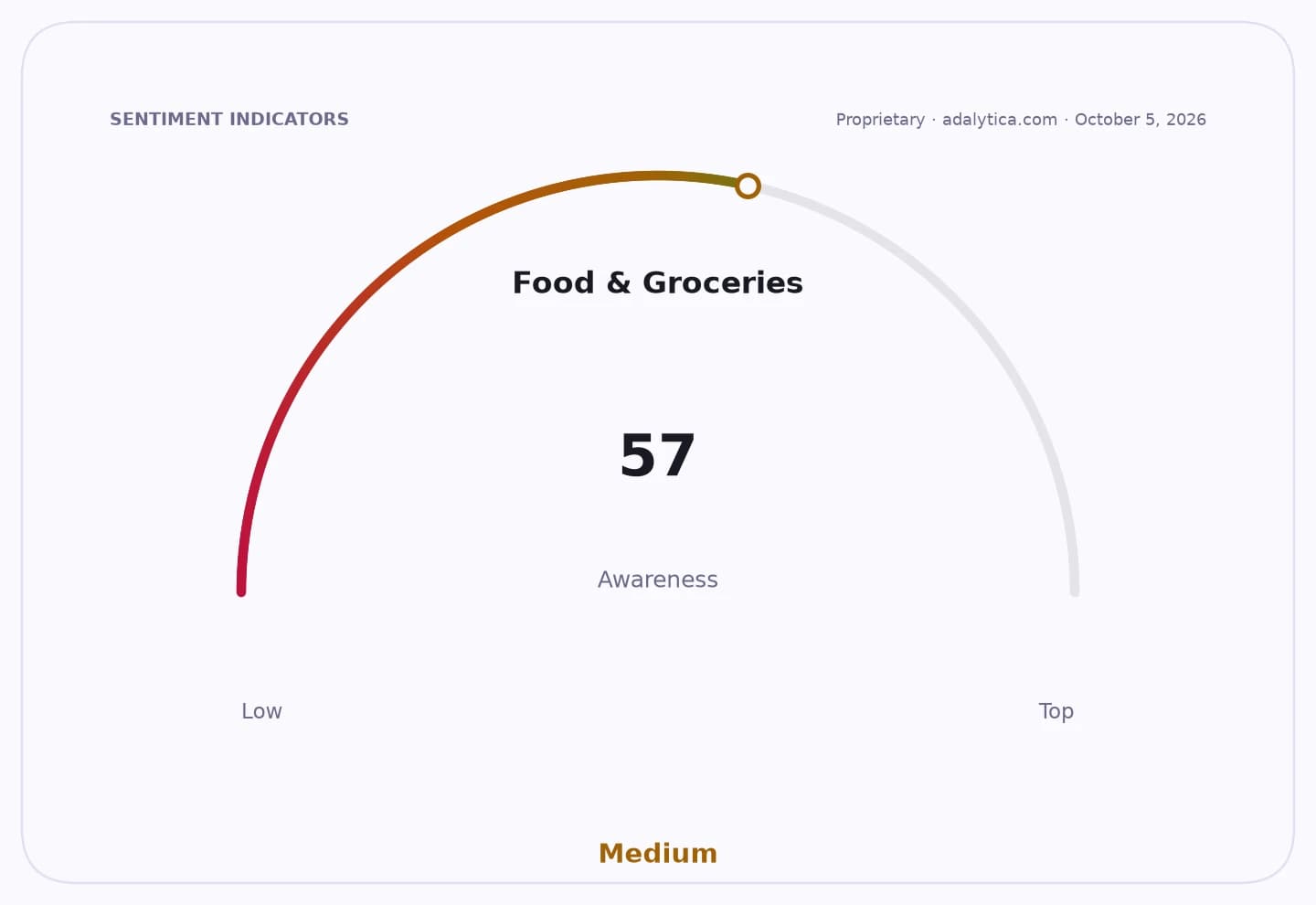
Sentiment IndicatorsⓘProprietary · adalytica.com · October 5, 2026
This is a snapshot — live sentiment, awareness and momentum for 130+ markets update continuously in the dashboard.Open AlphaPulse
Officials said wheat is released to mills under a pre-approved schedule rather than on request, underscoring how tightly the state manages the chain from storage to flour to subsidized loaves. Dakahlia alone has eight public mills and three private mills, while other mills from outside the governorate also draw supplies from the silo under the same program. That makes Mit Ghamr not just a storage site but a distribution hub in a wider food-security network.
The timing is notable. Wheat prices have been under upward pressure globally as export expectations improve in Europe and Black Sea supply disruptions keep traders wary of future availability. In that environment, Egypt’s ability to maintain local inventories and control drawdowns reduces exposure to price spikes and shipping disruptions. For investors in grain, logistics and food producers, that points to continued state intervention in procurement and milling rather than a loosening toward market pricing.
The officials also stressed that the system’s 50-50 local-imported blending rule remains in place. That matters economically because locally sourced wheat tends to deliver better milling yields and cleaner grain, improving extraction rates and reducing waste. The reported extraction rate of 87.5% and the claim that subsidized bread is structurally close to whole grain content suggest the state is trying to preserve both output and perceived nutritional value while keeping costs contained.
For wheat exporters and traders, the message is that Egypt remains a large, policy-driven buyer with demand anchored by subsidy needs rather than purely commercial signals. For millers, the controlled release schedule limits operational flexibility but also protects them from abrupt supply shortages. For consumers, it points to continuity in bread availability at a time when global food inflation remains a live risk.
The key question is how long Egypt can keep this balance as external wheat markets stay volatile and domestic procurement must continue through the next buying and milling cycles. A stable silo level at Mit Ghamr is reassuring, but the broader test is whether the country can keep blending cheaper local crop supplies with imported wheat without straining reserves, the subsidy bill or the milling system.
| Entity | Gains | Losses |
|---|---|---|
| Egyptian government | ▲Food security buffer | ▼Budget flexibility |
| Local millers | ▲Steady wheat allocations | ▼Pricing freedom |
| Wheat exporters to Egypt | ▲Reliable demand | ▼Bargaining power |
| Consumers / bakeries | ▲Stable bread supply | ▼Exposure to rationing risk |