Egyptian iron prices were unchanged on Sunday, Oct. 4, after the latest round of increases at most mills, but the market is now facing a bigger risk: a potential squeeze on scrap-metal imports from Europe that could tighten supply and lift costs for local producers.
Egypt Iron Prices Flat as Scrap Supply Risk Rises
That matters because Egypt’s steel market is highly exposed to imported raw materials and to swings in global metals and freight costs. Any restriction on scrap exports from Europe would hit factories that depend on imported feedstock, potentially reversing the recent stabilization in domestic prices and feeding through to construction and industrial costs.
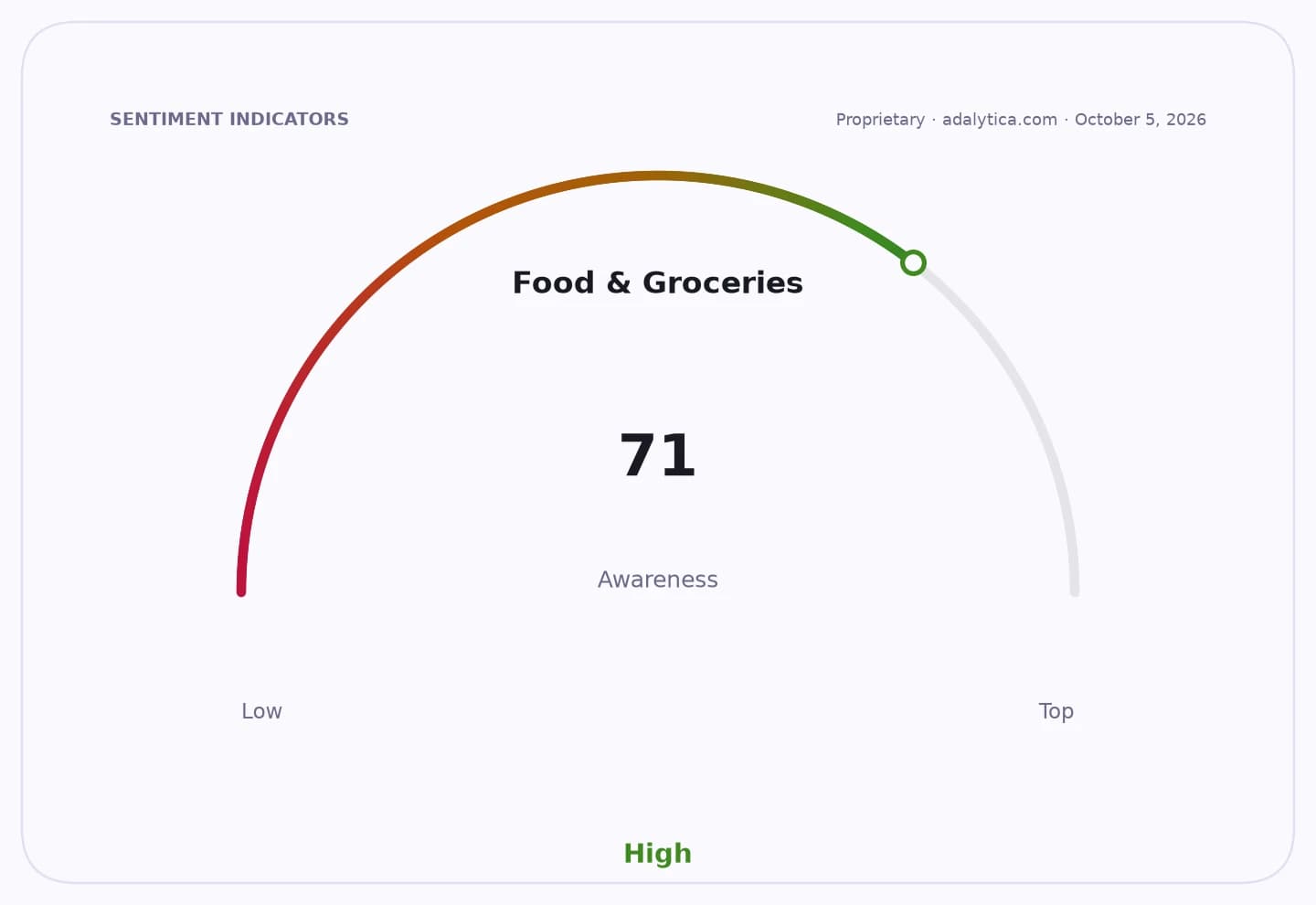
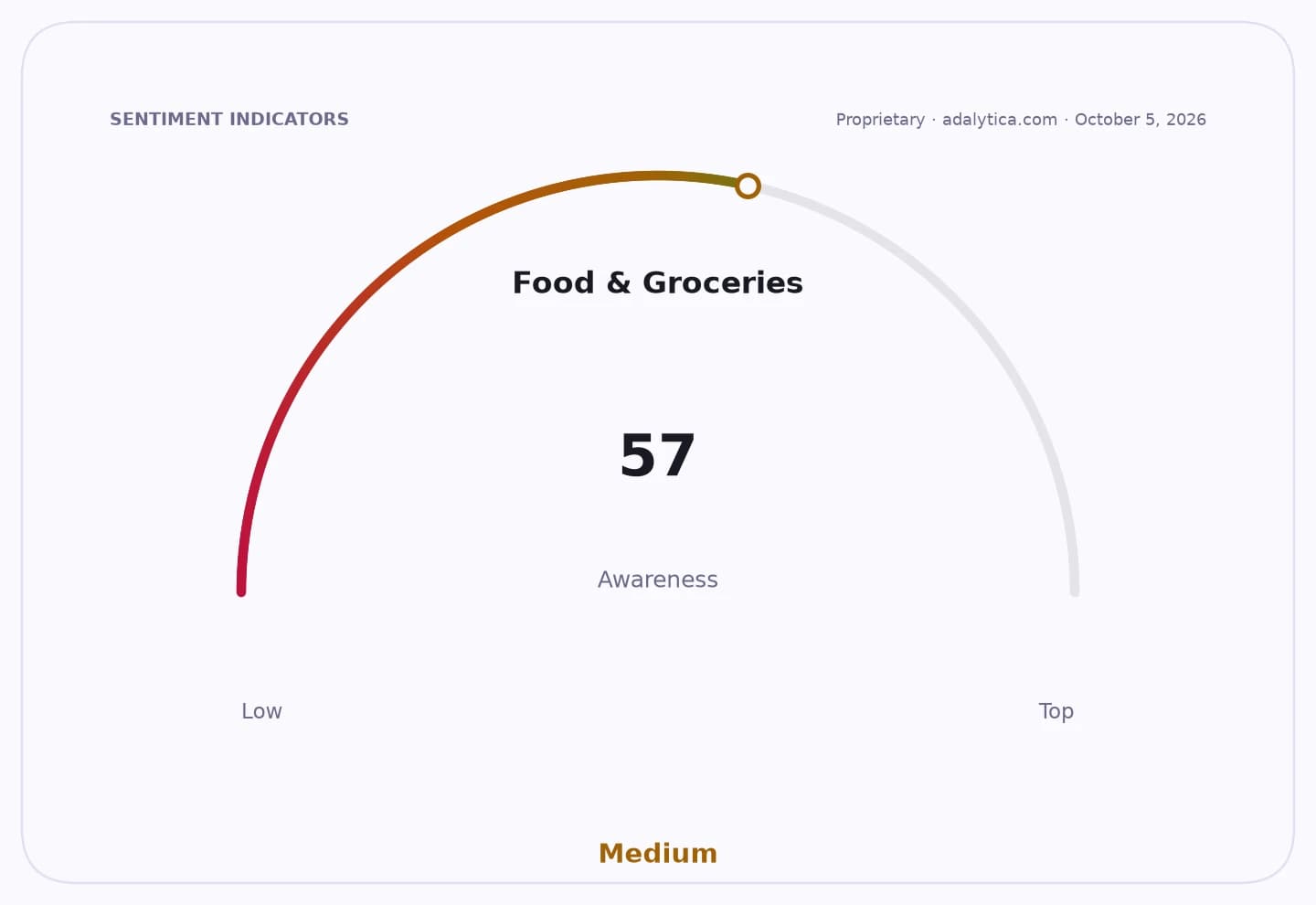
Sentiment IndicatorsⓘProprietary · adalytica.com · October 4, 2026
This is a snapshot — live sentiment, awareness and momentum for 130+ markets update continuously in the dashboard.Open AlphaPulse
Local producers were quoting factory-gate prices ranging from 35,700 pounds a ton at Ezz Steel’s lower-end offers to 40,850 pounds a ton for long products, with coils at 38,000 pounds. Other quoted levels included 40,200 pounds at Beshay, 39,950 pounds at Suez Steel, 38,500 pounds at Egyptian Steel, 39,200 pounds at El Garhy, 38,000 pounds at El Madina, 37,000 pounds at Nubaria, 36,100 pounds at Anter, 36,000 pounds at Bianco and Misr Steel, and 36,200 pounds at Arab Steel.
The lack of movement on the day suggests mills have not yet passed on fresh input-cost pressure, even as the broader backdrop remains unstable. Global crude steel output fell 1.2% in August from a year earlier, underscoring a softer international production environment, while benchmark raw-material and macro indicators remain mixed: West Texas Intermediate crude was around $96.72 a barrel at the end of September in the supplied forecast, US 10-year Treasury yields were above 5.2%, and the Chinese yuan trade signal sat in “Extreme Fear,” all of which point to a cautious global demand and pricing setting.
For investors, the key issue is margin durability. If European policy limits scrap flows into Egypt, local mills with greater reliance on imported inputs could see cost inflation before they can reprice downstream contracts, hurting earnings and working capital. Producers with stronger inventory positions, integrated supply chains or more diversified input sourcing would be better placed to defend margins.
The other side of that trade is clear for buyers. Contractors, distributors and end users in construction may benefit in the near term from flat prices, but they face the risk that any import disruption quickly turns into another round of increases. The market is therefore watching Europe’s policy debate as closely as domestic Egyptian demand, because the next price move is likely to be driven more by feedstock availability than by local sentiment.
| Entity | Gains | Losses |
|---|---|---|
| Egyptian steel mills with diversified sourcing | ▲Lower input shock risk | ▼Less pricing power if supply tightens |
| Mills dependent on imported scrap | ▲Temporary price stability | ▼Higher costs and margin pressure |
| Builders and distributors | ▲Near-term flat prices | ▼Exposure to another price jump |
| European scrap exporters | ▲Current access to Egypt | ▼Potential export restrictions |