Egypt’s steel industry is confronting a fresh raw-material shock as the European Union moves to tighten scrap-metal exports to the country, a shift that could squeeze electric-arc furnace producers, raise input costs and force mills to scramble for alternative supply.
Egypt steel mills face EU scrap export curbs
The market has largely treated scrap as a fungible commodity, but for Egypt it is a strategic import. Electric-arc furnaces depend on scrap as a core feedstock, and Europe has become the dominant external source. Egypt imported 2.12 million tons of European steel scrap in the first half of 2026, up 59.7% from a year earlier, underscoring how exposed the country’s mills are to Brussels’ regulatory decisions.
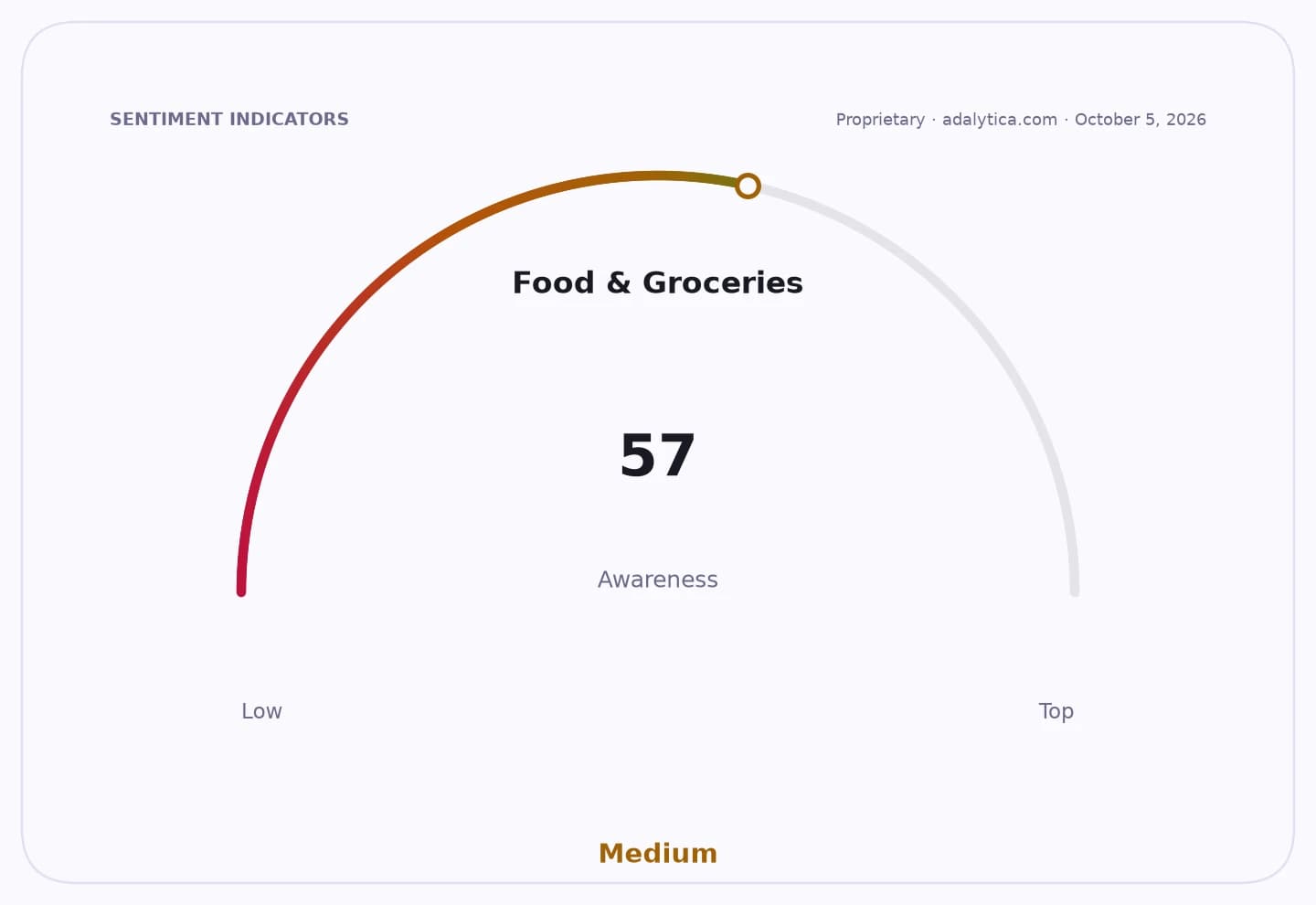
Sentiment IndicatorsⓘProprietary · adalytica.com · October 4, 2026
This is a snapshot — live sentiment, awareness and momentum for 130+ markets update continuously in the dashboard.Open AlphaPulse
The European Commission has put Egypt on a draft list of non-OECD countries that would not be allowed to receive certain waste streams, including metal waste. The draft was published on Sept. 18, 2026, with a final list due by Nov. 21 and new rules set to take effect May 21, 2027. That gives Cairo a narrow window to prove it has the environmental controls Europe wants, but it also leaves steelmakers facing months of uncertainty over one of their most important inputs.
This matters economically because scrap availability feeds directly into steel output, pricing and margins. If European shipments are curtailed, Egyptian mills will have to lean harder on domestic scrap collection or chase more expensive imports from farther afield. Either way, costs rise, production planning becomes less predictable and the pressure on a sector already battling weak global steel conditions intensifies.
It also matters to investors because the story is not just about Egypt. It is about where the next bottlenecks in the steel supply chain will appear. Restricting scrap exports can reprice regional flows, strengthen local scrap values in Europe, and create winners among companies with access to captive feedstock, recycling infrastructure or low-cost virgin raw materials. Producers dependent on imported scrap are the exposed end of the trade.
The European Commission said Egypt had not provided enough evidence of adequate environmental controls for handling metal waste, including energy efficiency, air and water emissions, and limits on contaminants such as cadmium, mercury, lead, dioxins, furans, nitrogen oxides and sulfur dioxide. That framing makes the policy look less like a trade spat than a regulatory squeeze built around environmental compliance, which means the same pressure could spread to other destinations if Brussels hardens its waste rules.
For Egypt, the policy race now is twofold: persuade Europe to keep the trade channel open and, at the same time, reduce structural reliance on imported scrap. The government has already discussed legislation to organize scrap trading and improve the use of domestic supply, while also expanding permits for billet production based largely on scrap melting. That suggests policymakers understand the core issue: whoever controls scrap controls the cost base of the steel industry.
For investors, the cleaner thesis is to look through the headline risk and focus on the second-order beneficiaries. Scrap recyclers, domestic collection networks, and integrated steelmakers with stronger raw-material access should be better positioned than mills that live on imported feedstock. In a world where supply chains are becoming more politicized, scrap is no longer just waste — it is inventory with geopolitical value. Position early where scarcity creates pricing power.
| Entity | Gains | Losses |
|---|---|---|
| European scrap recyclers | ▲Higher local retention of material | ▼Loss of export demand |
| Egyptian EAF steel mills | ▲Possible policy relief if Cairo acts fast | ▼Higher input costs, supply risk |
| Integrated steelmakers with captive feedstock | ▲Greater pricing power | ▼Less exposed rivals |
| Domestic Egyptian scrap collectors | ▲Stronger demand for local scrap | ▼Import-dependent mills |