Indonesia’s aluminium exports rose above 150,000 tons in August, a sign the country is deepening its role in a market that has been shaped by shifting supply chains, firmer industrial demand and volatile energy costs.
Indonesia aluminium exports top 150,000 tons in August
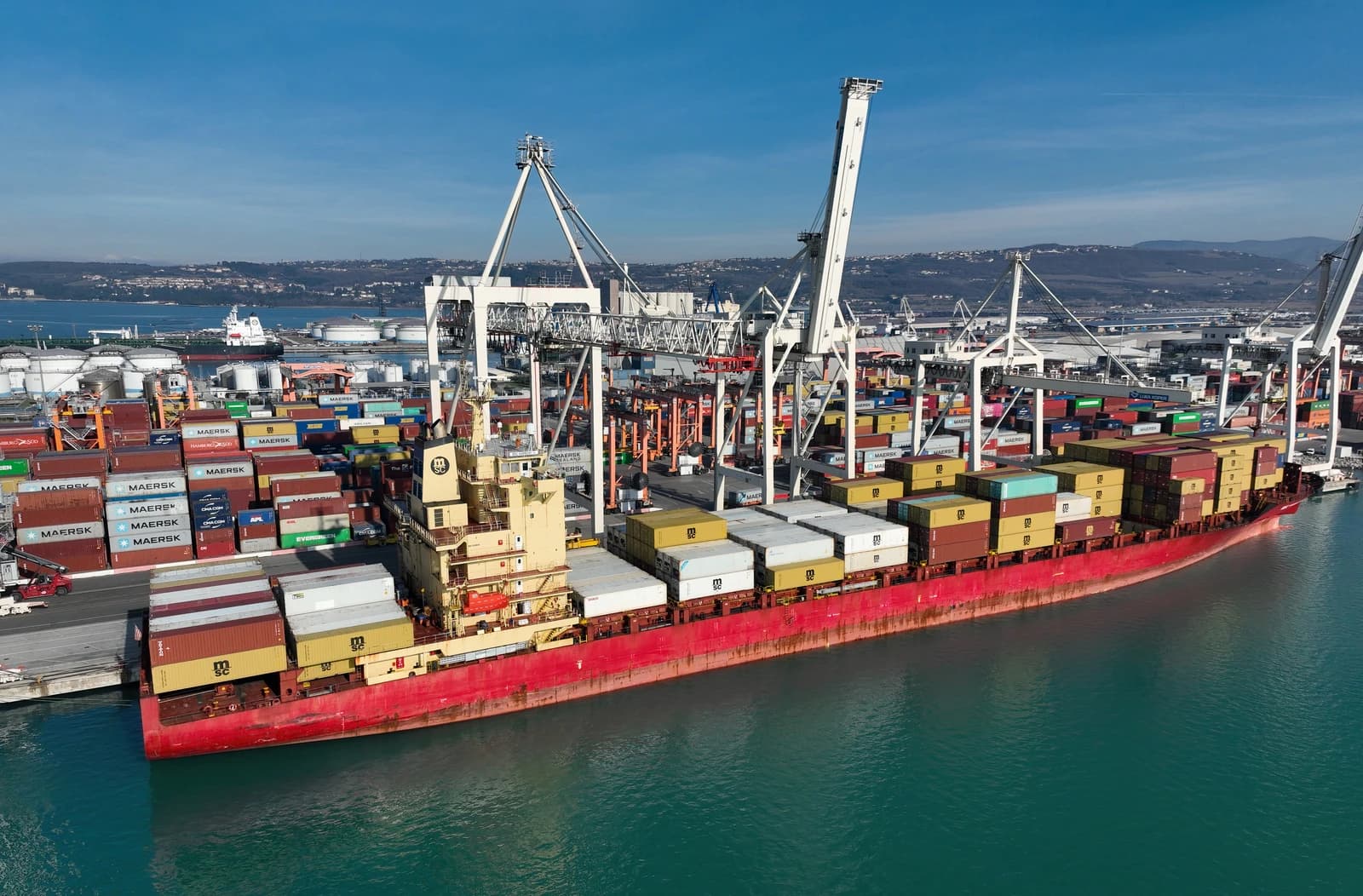
The volume matters because aluminium is not a marginal trade flow: it feeds packaging, transport, construction and power-grid investment, and incremental supply from Indonesia can weigh on pricing across Asia and beyond if it persists. For buyers, more Indonesian metal can help diversify supply away from tighter or higher-cost producers. For producers elsewhere, it raises the risk that a healthier export channel from Southeast Asia adds to an already competitive market.
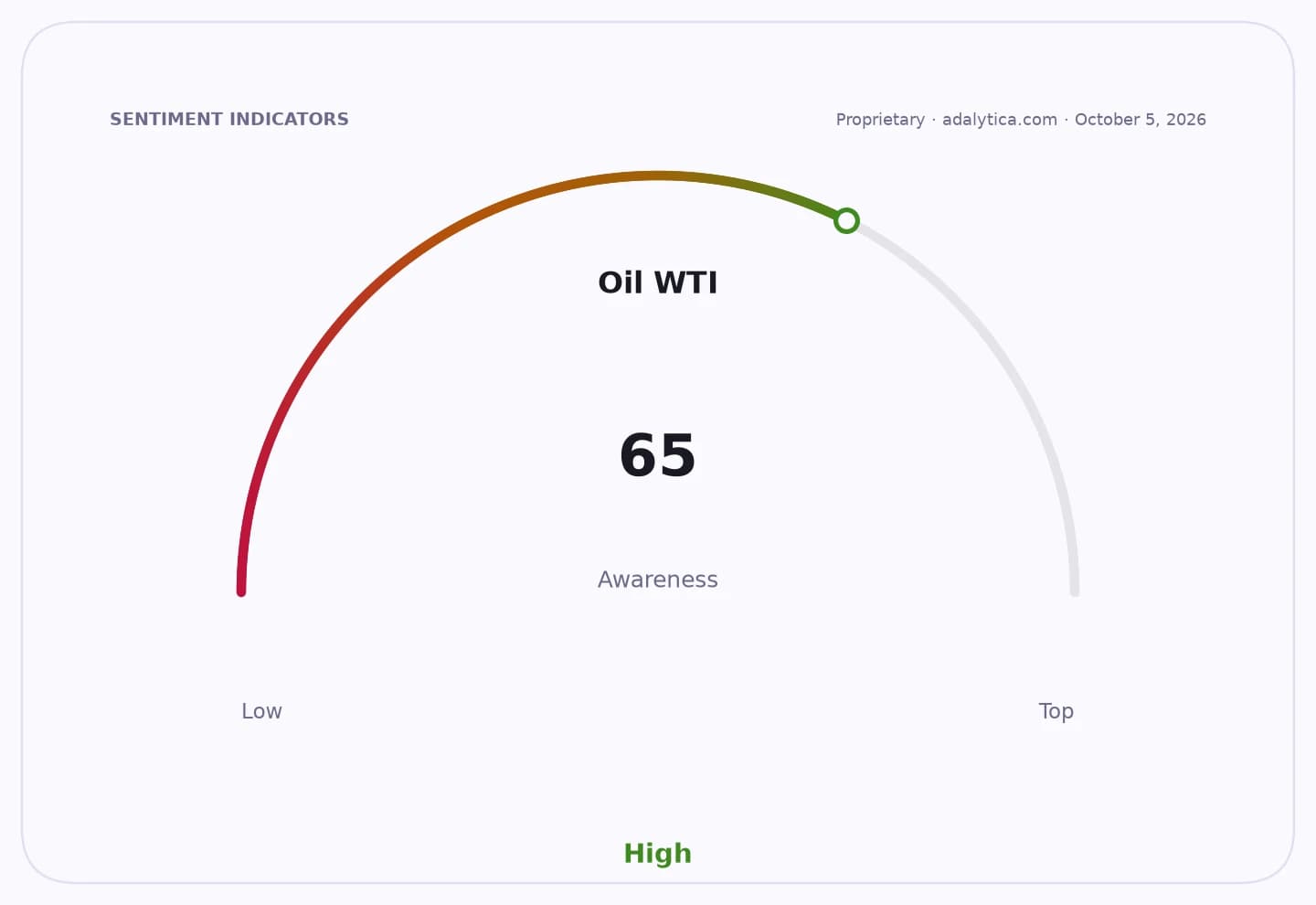
Sentiment IndicatorsⓘProprietary · adalytica.com · October 5, 2026
This is a snapshot — live sentiment, awareness and momentum for 130+ markets update continuously in the dashboard.Open AlphaPulse
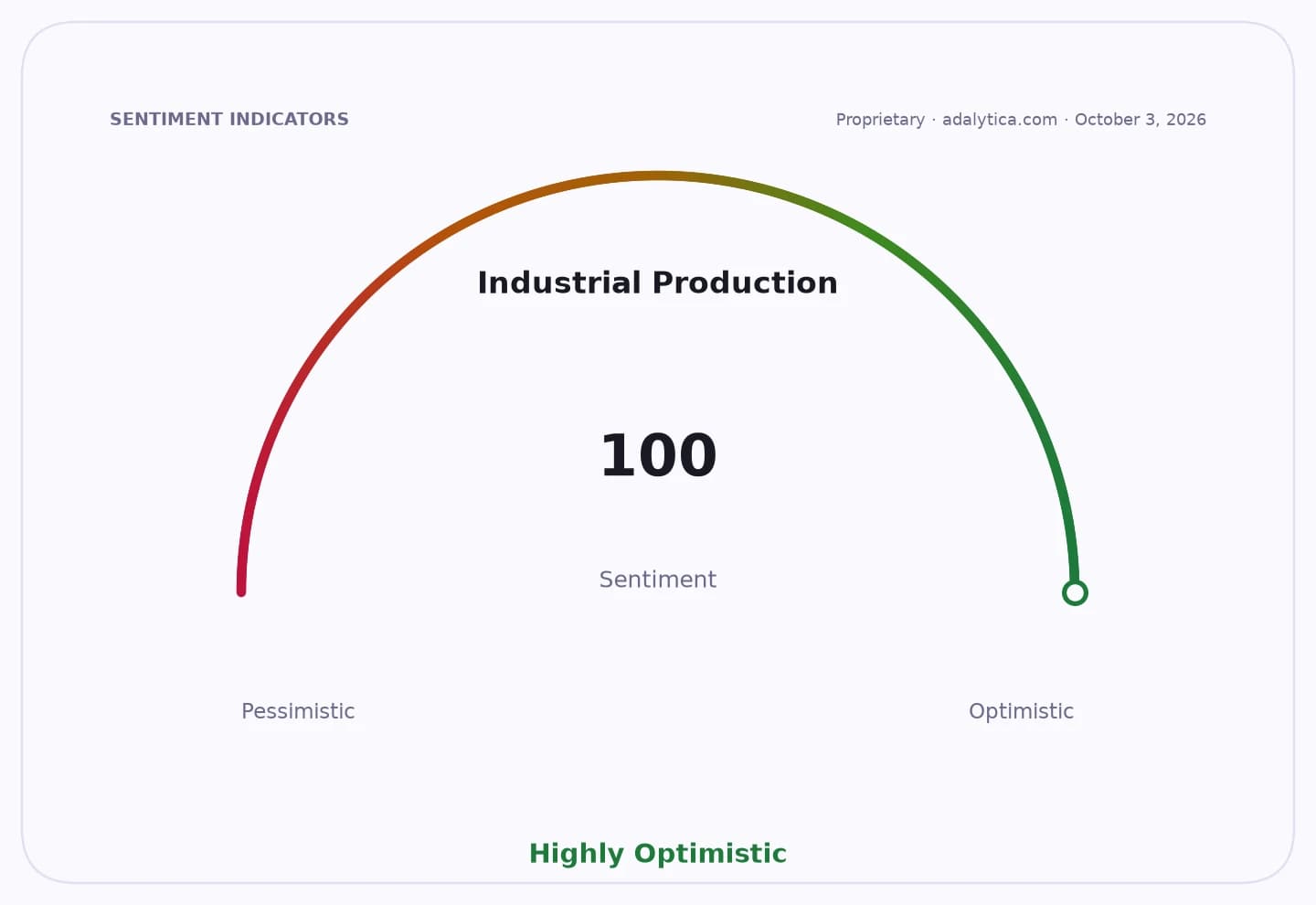
The export gain comes as global industrial sentiment has improved and commodity markets have remained sensitive to growth expectations, even with oil prices still swinging around the mid-$90s a barrel late in September. Aluminium is heavily exposed to energy and freight costs, so a stronger export pipeline from Indonesia can also reflect better economics for smelters and traders moving metal out of the archipelago.
For listed aluminium and metals companies, the read-through is mixed. U.S.-listed Alcoa and Rio Tinto, along with domestic producer Nucor, do not operate in the same trade lane, but sustained Indonesian exports would still shape global benchmark pricing and regional spreads. Lower or more abundant supply tends to cap upside for producers, even when end-market demand is stable. The recent firmness in aluminium-related shares has been supported by expectations of better industrial activity, but supply growth can quickly dilute that argument if shipments keep rising.
The bigger question is whether August was a one-off or part of a broader export expansion. If Indonesia can maintain volumes above 150,000 tons, it would underscore a structural shift toward the country as a more meaningful aluminium supplier. If shipments fade, the move may prove to be a temporary trade adjustment rather than a lasting change in market balance. Investors will be watching for follow-through in September data and any signs that the extra metal is flowing into a global market still trying to reconcile robust industrial demand with ample supply.
| Entity | Gains | Losses |
|---|---|---|
| Indonesian aluminium exporters | ▲Higher sales volumes | ▼Tighter domestic supply |
| Global aluminium buyers | ▲More available supply | ▼Less pricing leverage for sellers |
| Rival smelters outside Indonesia | ▲— | ▼Greater price competition |
| Aluminium-linked equities | ▲Support from industrial demand | ▼Margin pressure from excess supply |