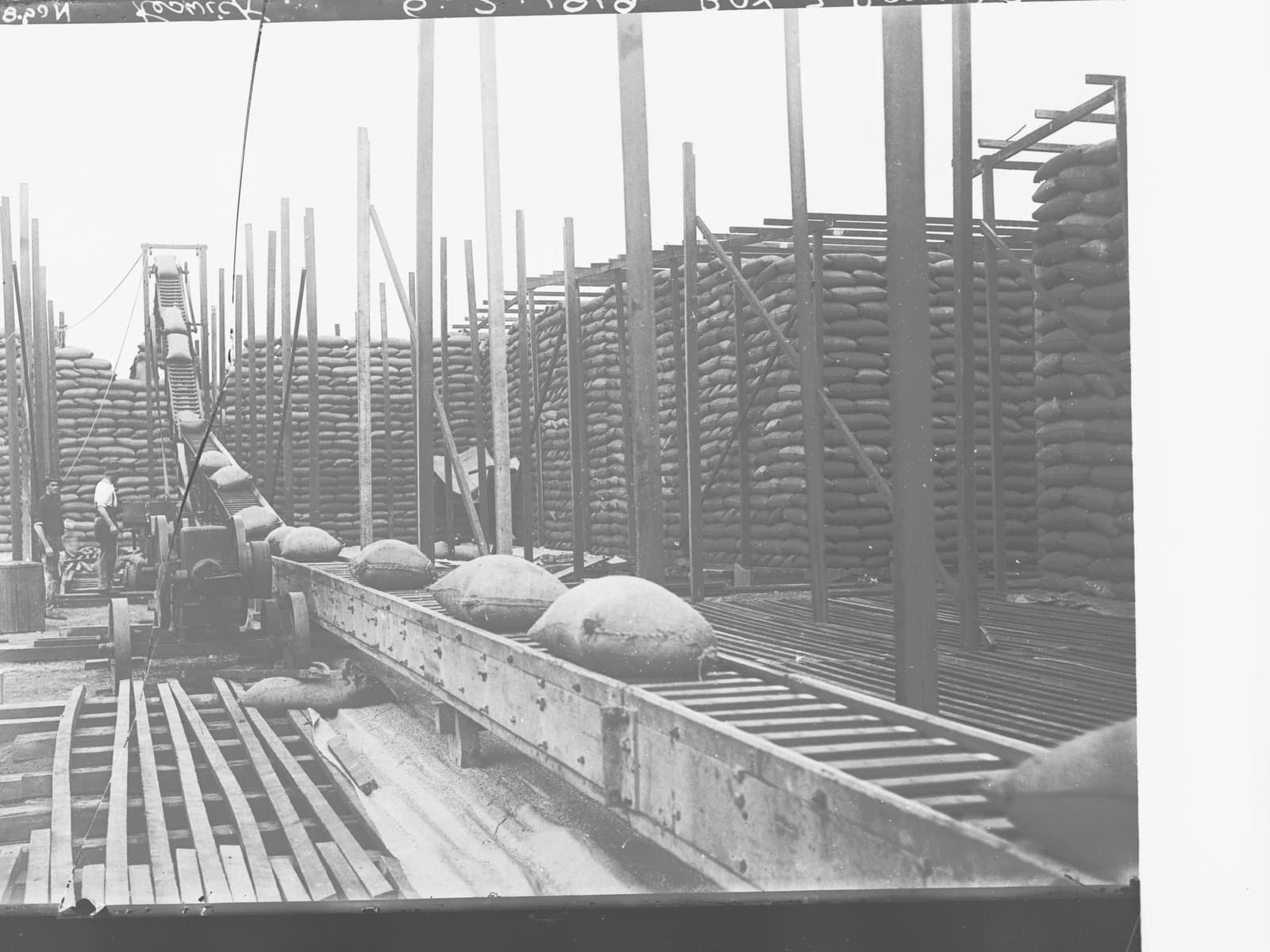
Tripoli’s port has taken in 45,154 tons of wheat and barley, underscoring how Libya is leaning on maritime imports to keep basic food supplies moving in a market where grain flows remain vulnerable to geopolitics and transport bottlenecks.
Tripoli Port Receives 45,154 Tons of Wheat and Barley
The shipment matters because wheat and barley are not discretionary imports in Libya; they are staples. Every tonne unloaded at Tripoli helps reduce the risk of shortages, rationing pressure and price spikes in a country that depends heavily on foreign grain. In a broader regional context, the cargo also highlights how North African consumers remain exposed to disruptions in Black Sea supply routes and to swings in global freight and commodity markets.
According to the Libyan Ports Company’s daily shipping report, the vessel LUGANO is discharging 27,700 tons of wheat at berth 20, while ULTRAMED is unloading 17,454 tons of barley at berth 17. Together, the two vessels account for the full 45,154-ton intake. The report said the deliveries are part of routine grain inflows through Tripoli to meet local market needs.
For investors, the bigger takeaway is that food security remains a live macro theme, not a background risk. When strategic import hubs such as Tripoli are replenished, it supports demand for grain exporters, trading houses and bulk carriers, while reinforcing the case for exposure to agricultural commodities and logistics chains that benefit from recurring restocking cycles. The market underestimates how often geopolitical stress turns into sustained demand for shipping, storage and commodity distribution.
That dynamic has already been reflected in grain markets, where wheat and corn funds have been volatile as traders price weather, war and export bottlenecks. At the same time, consumer-facing food stocks can move with import flows and local replenishment trends, especially in import-dependent economies where inventory rebuilding is more important than final demand growth.
The near-term catalyst is whether Libya continues to receive steady wheat and barley cargoes at this pace and whether other North African ports follow with similar restocking. If global grain supply remains fragile, the winners are likely to be exporters, shippers and commodities-linked ETFs. The losers are consumers and importing governments forced to absorb higher food and freight costs.
| Entity | Gains | Losses |
|---|---|---|
| Tripoli Port | ▲Higher throughput | ▼None |
| Grain exporters | ▲Steady demand | ▼None |
| Bulk shippers | ▲More cargo volumes | ▼None |
| Libyan consumers | ▲Better supply security | ▼Price pressure eases less |