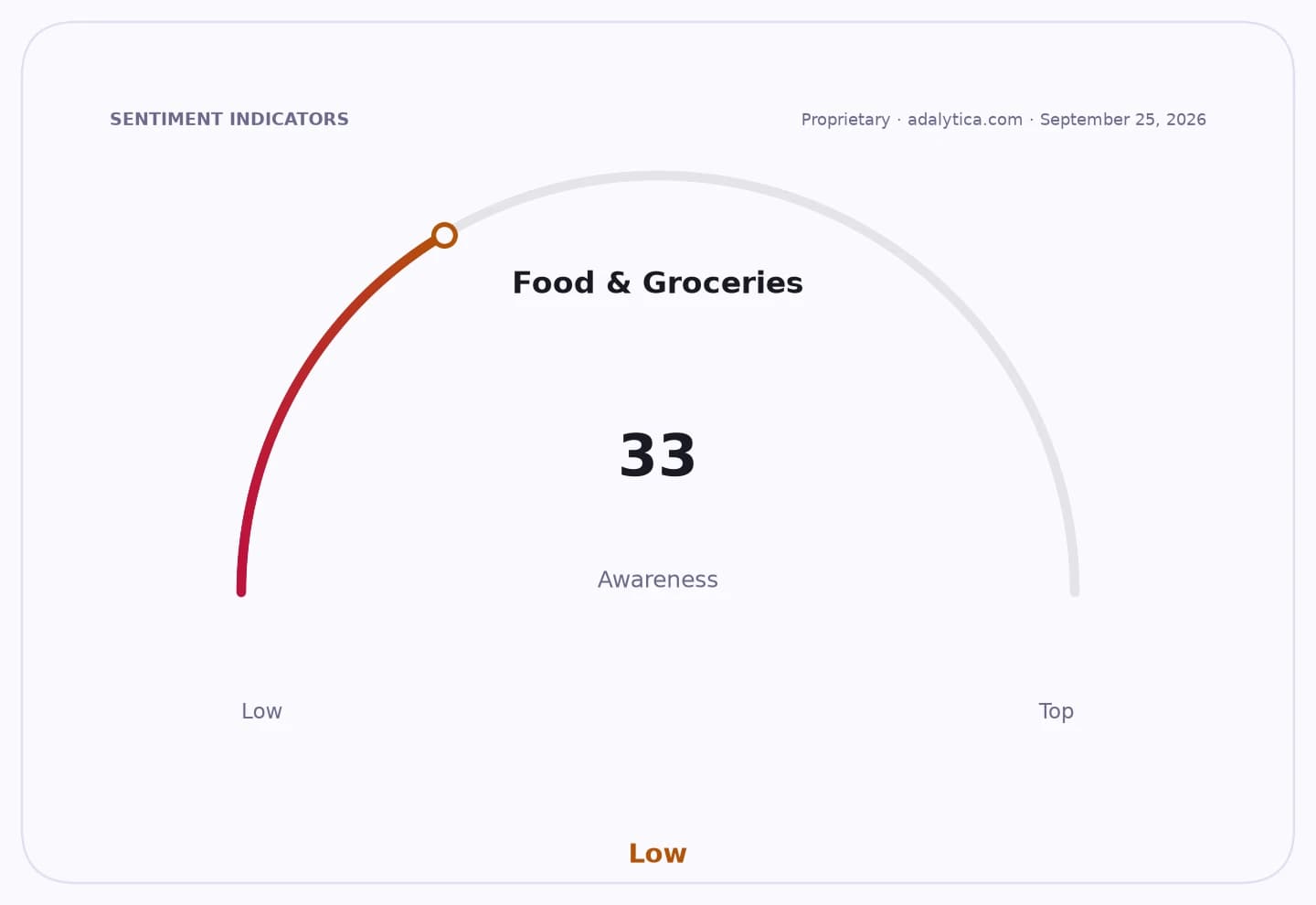
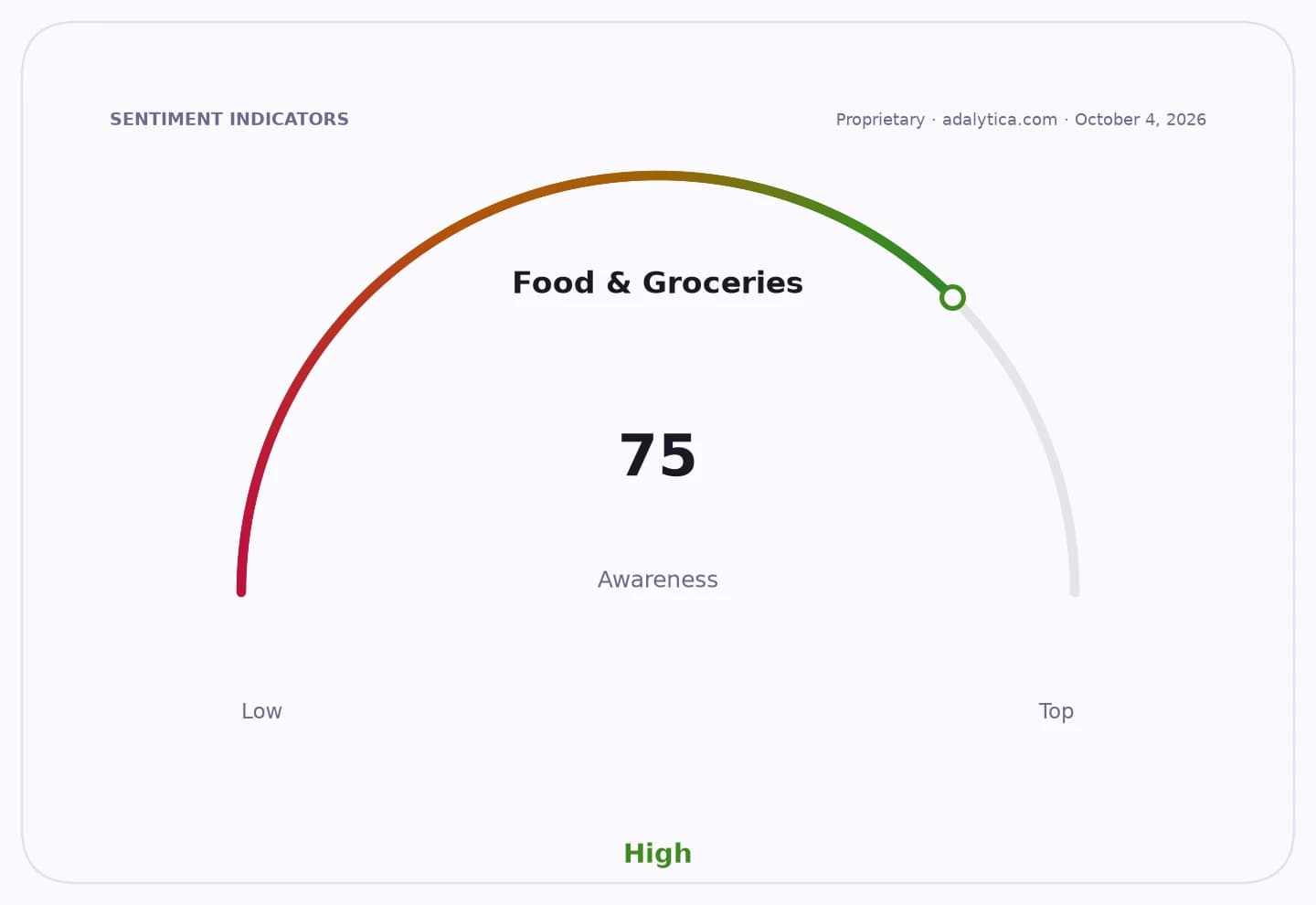
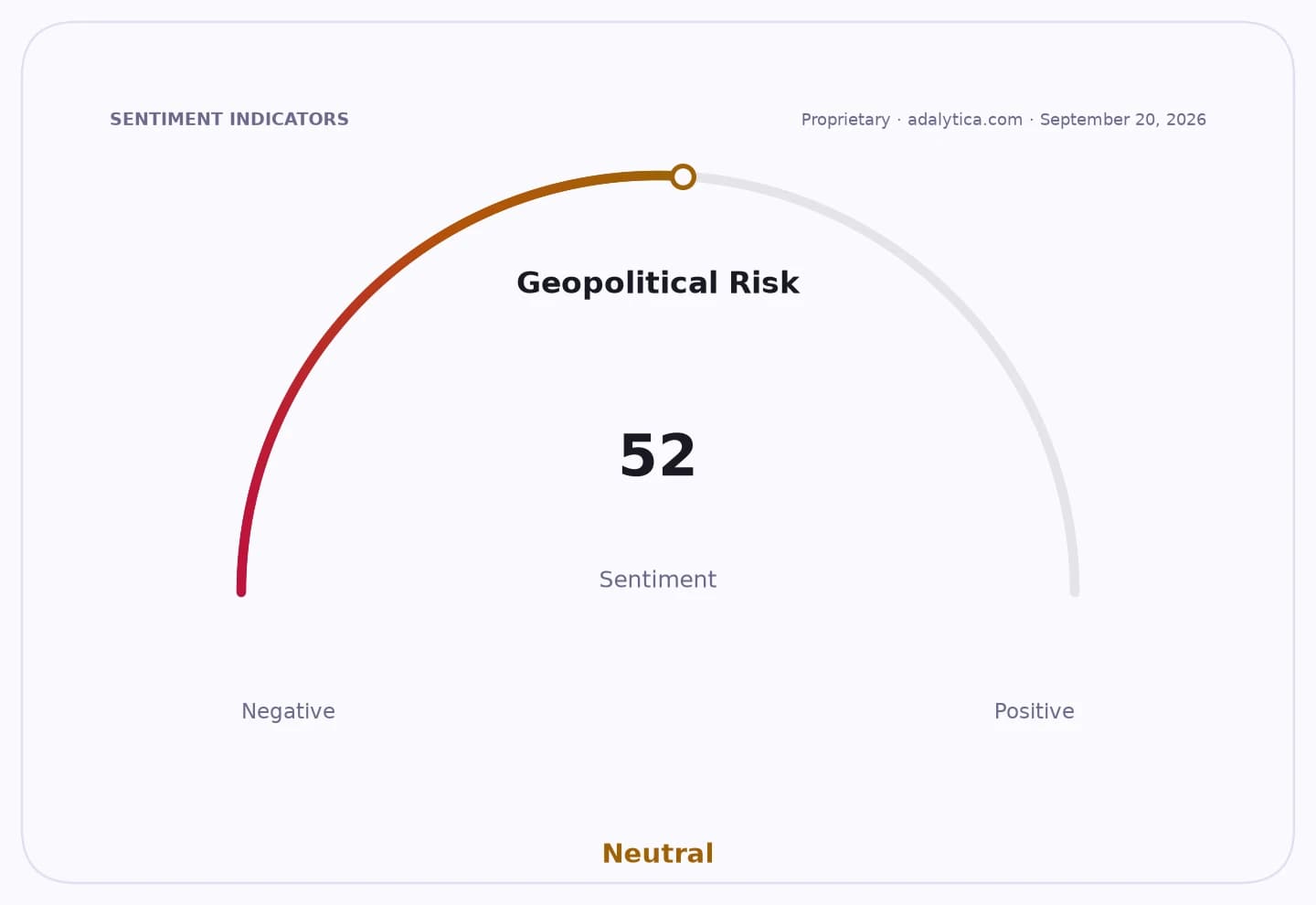
Wheat futures climbed for a third straight session as Russia’s threats to intensify its assault on Ukraine revived the market’s old but still powerful fear: another Black Sea supply shock.
Wheat Futures Rise on Russia Ukraine Supply Risk
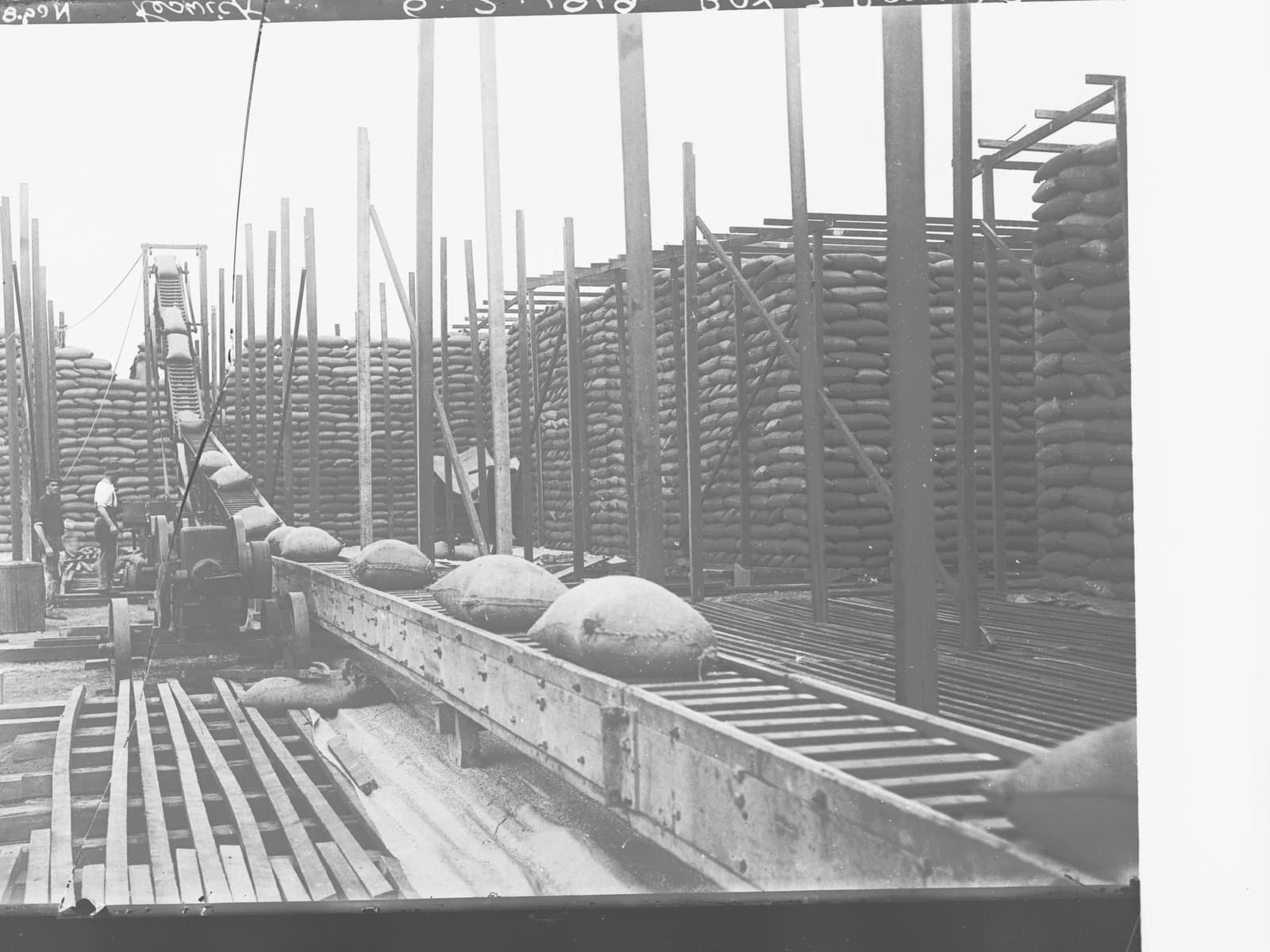
That matters because wheat is not trading on demand right now, it is trading on risk. When the world’s most important export corridor for grain looks less secure, buyers move to lock in coverage, exporters price in disruption and importers pay up for insurance. The result is a fast re-rating in a market that still remembers how quickly the 2022 invasion ripped through global food and inflation chains.
Sentiment IndicatorsⓘProprietary · adalytica.com · October 5, 2026
This is a snapshot — live sentiment, awareness and momentum for 130+ markets update continuously in the dashboard.Open AlphaPulse
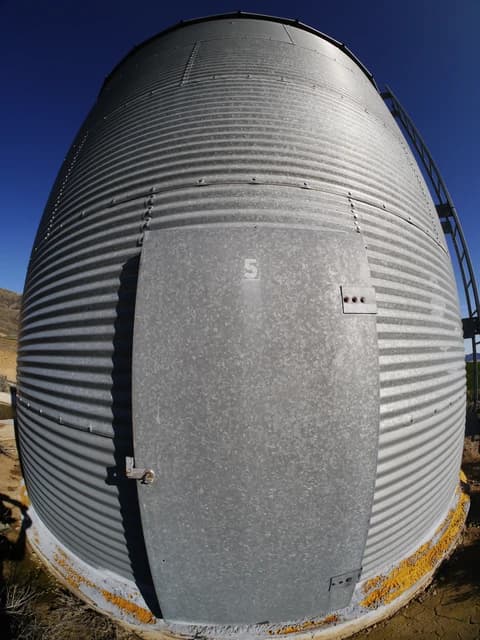
The move in Chicago wheat is part of a broader risk bid across agricultural markets, but wheat is the most sensitive to the Black Sea because Russia and Ukraine remain core suppliers to importers in the Middle East, North Africa and parts of Asia. Any escalation raises the odds of port disruption, shipping reroutes, higher freight costs and more aggressive stockpiling by governments and commercial users. That is enough to keep nearby contracts supported even when global inventories are not in outright crisis.
The rally also reinforces a larger macro point investors should not miss: geopolitical shocks are still an inflation variable. Food prices have a direct line into consumer budgets and central bank expectations, and wheat tends to be one of the first places where traders express that anxiety. Adalytica’s Food and Grocery Spending Sentiment is flashing “Extreme Greed,” while its U.S. dollar trade signals sit in “Fear,” a combination that fits a market leaning toward hard assets and away from policy complacency.
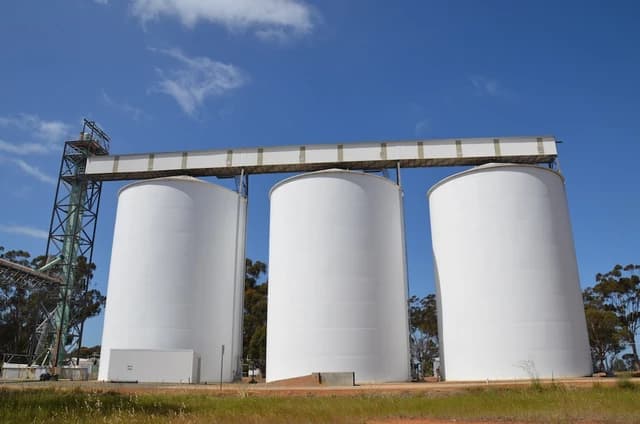
For investors, the setup favors exposure to the parts of the agriculture complex that benefit from persistent volatility rather than a one-day spike. That includes grain traders, farm input names, fertilizer suppliers and select ag ETFs, where higher price dispersion can widen margins and keep volumes active. It also supports the case for staying alert on food inflation-sensitive sectors such as packaged foods, restaurants and retailers, which can face a lagged hit if wheat strength persists.
The technical picture is backing the move as well. The wheat ETF, WEAT, has rebounded above its 200-day moving average and remains well above its 50-day average, even after recent overbought readings eased. Corn has also stayed firm, while Syngenta-backed food chains and distributors remain exposed to a more expensive grain backdrop if the Black Sea premium widens again.
The key question now is whether this is a short-lived geopolitical flare-up or the start of a more durable supply-risk premium. If Russia follows through on its threats, wheat could quickly test the upper end of its recent range, and the market will reward investors already positioned in the beneficiaries of scarcer, more volatile grain flows. My view: the best trade is not chasing the headline, but owning the toll roads of the food system before the next supply shock gets priced in.
| Entity | Gains | Losses |
|---|---|---|
| Wheat futures bulls | ▲Higher prices | ▼Nothing immediate |
| Grain exporters / traders | ▲Wider volatility premium | ▼More shipping risk |
| Importers / food buyers | ▲Inventory security | ▼Higher procurement costs |
| Food makers / retailers | ▲— | ▼Margin pressure from cost inflation |