Indonesia said G20 trade ministers rejected the use of food as a weapon of geopolitical pressure, underscoring how the world’s biggest economies are trying to ring-fence agricultural trade from the wider breakdown in global commerce.
Indonesia says G20 rejects food as geopolitical weapon
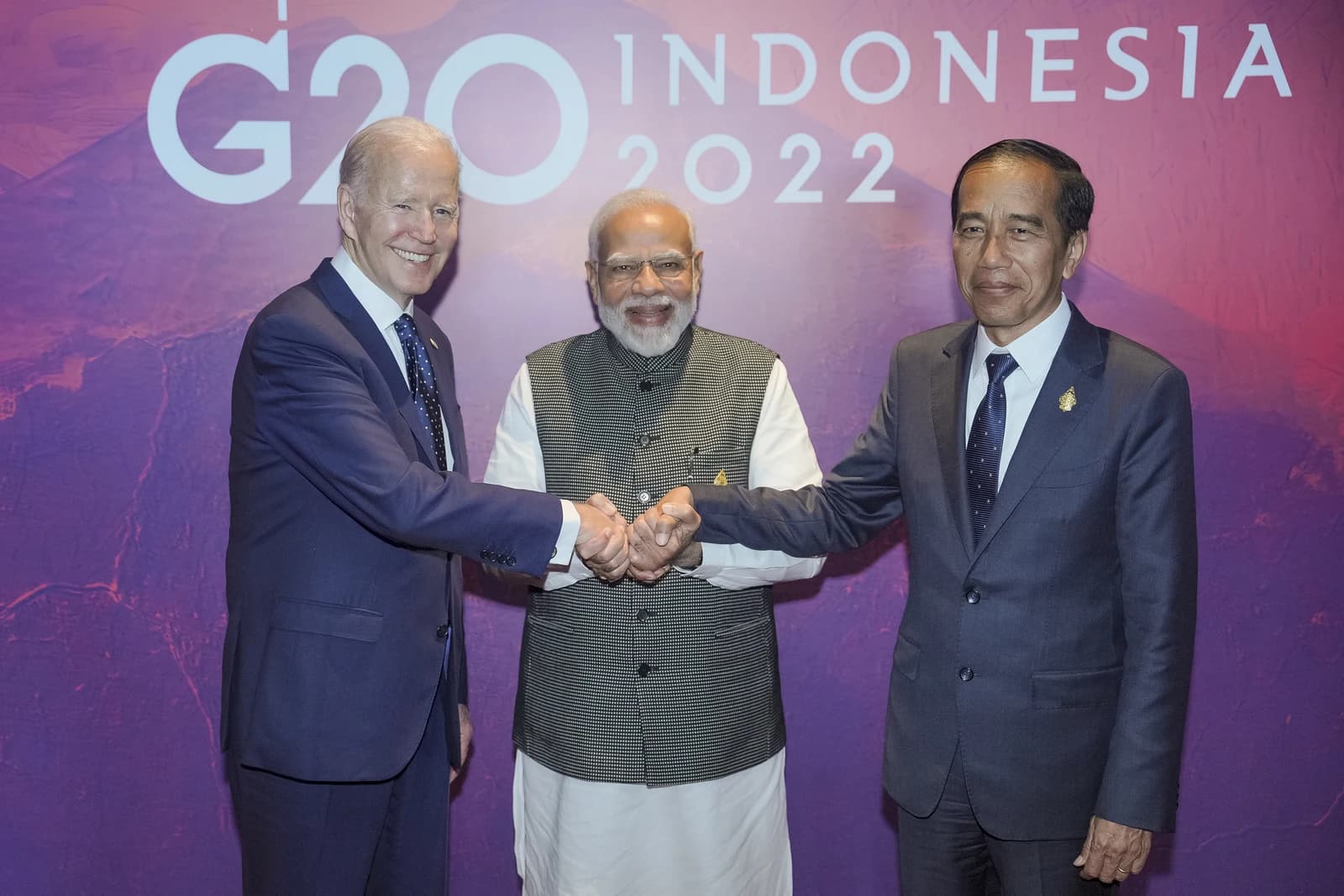
The statement matters because food has become one of the most exposed channels of conflict, sanctions and export controls, with supply disruptions quickly feeding into inflation, import bills and political instability. By reaffirming that food should not be used to coerce states, the G20 is signaling support for a rules-based trading system at a time when governments are increasingly willing to weaponize commodities.
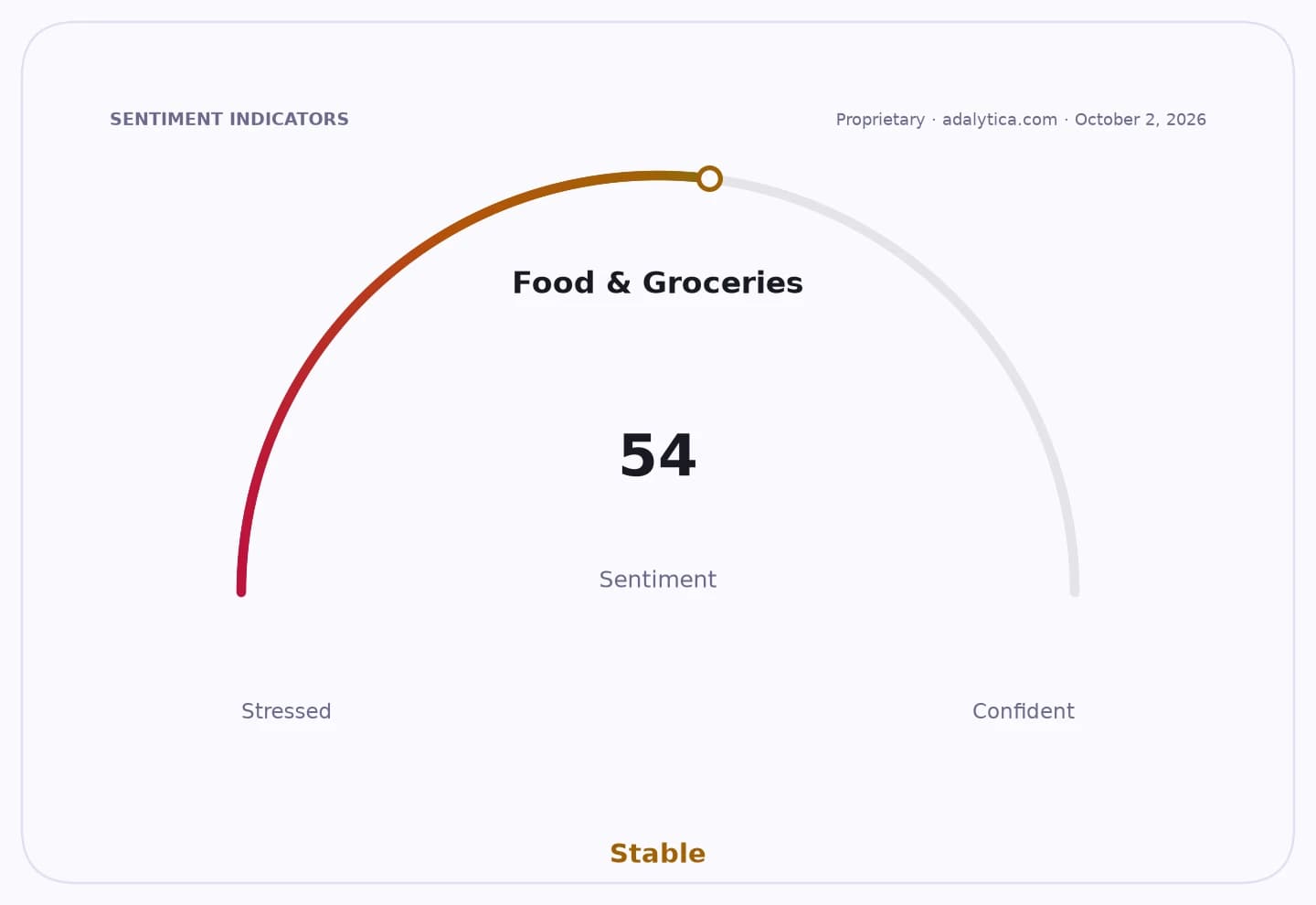
Sentiment IndicatorsⓘProprietary · adalytica.com · October 3, 2026
This is a snapshot — live sentiment, awareness and momentum for 130+ markets update continuously in the dashboard.Open AlphaPulse
Indonesian Trade Minister Budi Santoso said the bloc also backed cooperation on harder trade disputes, including excess industrial capacity, forced labor practices and tariff rules under the World Trade Organization’s most-favored-nation principle. The comments came after a G20 trade ministers’ meeting in Milwaukee, where members sought common ground even as geopolitical tensions continue to fragment trade policy.
For investors, the message is twofold. First, any move toward preserving open food trade is constructive for global agricultural exporters, shippers and processors that depend on predictable cross-border flows. Second, it reinforces the view that agriculture remains a strategic asset class in a world where governments are more likely to intervene in grain, fertilizer and edible-oil markets when prices spike or supply is constrained.
That backdrop has already been reflected in markets. Wheat has been volatile, with the WEAT ETF trading at $24.75 on Oct. 2, below its 50-day moving average of $25.51 and with RSI readings near 30, a level traders often read as oversold. The broader DBA agriculture fund was last at $28.21, also near its 50-day average, while the MOO agribusiness ETF stood at $81.34, below its 50-day average of $83.87. The weaker technical tone suggests investors are not pricing in a durable food-price shock, even though geopolitical risk around supplies remains elevated.
Crude oil’s swings also matter because energy costs feed directly into farming, transport and fertilizer economics. WTI was around $96.72 in the latest forecast, after trading as high as $99.37 earlier in the period, a reminder that any escalation in geopolitical tensions can quickly raise input costs across the food chain. Adalytica’s Global Stability Sentiment gauge has also fallen to 25, labeled Fear, while its U.S. dollar trade signals show Extreme Fear, reflecting the broader risk backdrop in which trade disputes are being discussed.
The investment case for food producers and exporters is strongest if the G20’s language holds and governments resist using exports or procurement bans as leverage. The bearish case is that the statement is largely rhetorical: if conflict deepens or domestic inflation returns, countries could still restrict shipments of grain, fertilizer or other staples, tightening supplies and lifting prices.
For now, the clearest takeaway is that the G20 is trying to preserve a minimum level of discipline in agricultural trade. That is supportive for market stability, but it also highlights how fragile that stability remains if geopolitics again overwhelms the rules of commerce.
| Entity | Gains | Losses |
|---|---|---|
| Grain exporters | ▲More predictable market access | ▼Less leverage from supply restrictions |
| Import-dependent countries | ▲Reduced food-security risk | ▼Fewer tools to pressure rivals |
| Agribusiness ETFs | ▲Lower policy-shock risk | ▼Less upside from scarcity spikes |
| Governments using food controls | ▲Less room for coercion | ▼Weaker geopolitical bargaining power |