Nirmala Sitharaman is pressing India’s case for a more predictable global trading system at a moment when war, sanctions and supply-chain fragmentation are raising the cost of doing business and unsettling investors.
India Pushes Trade Stability at Economic Conclave
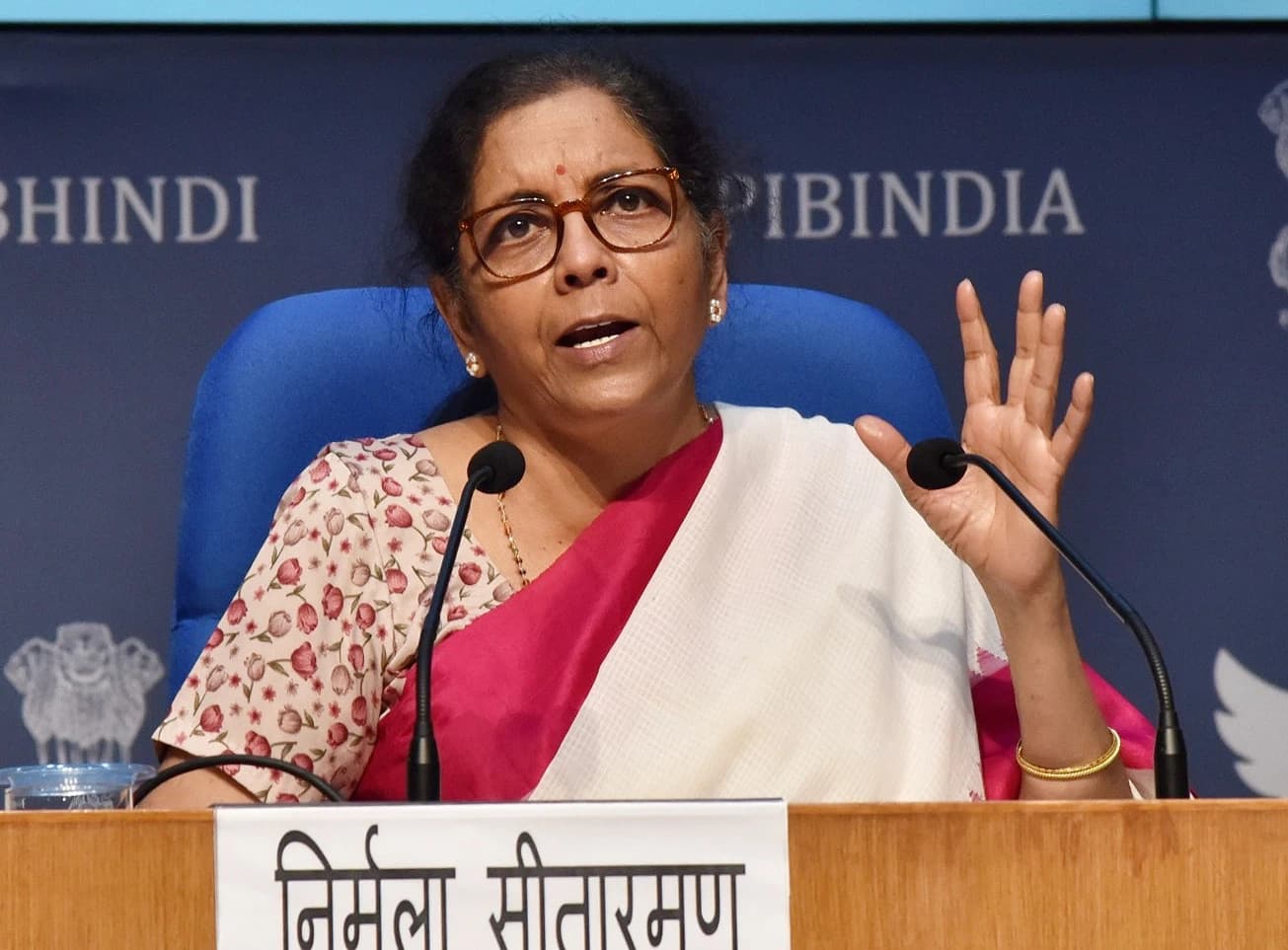
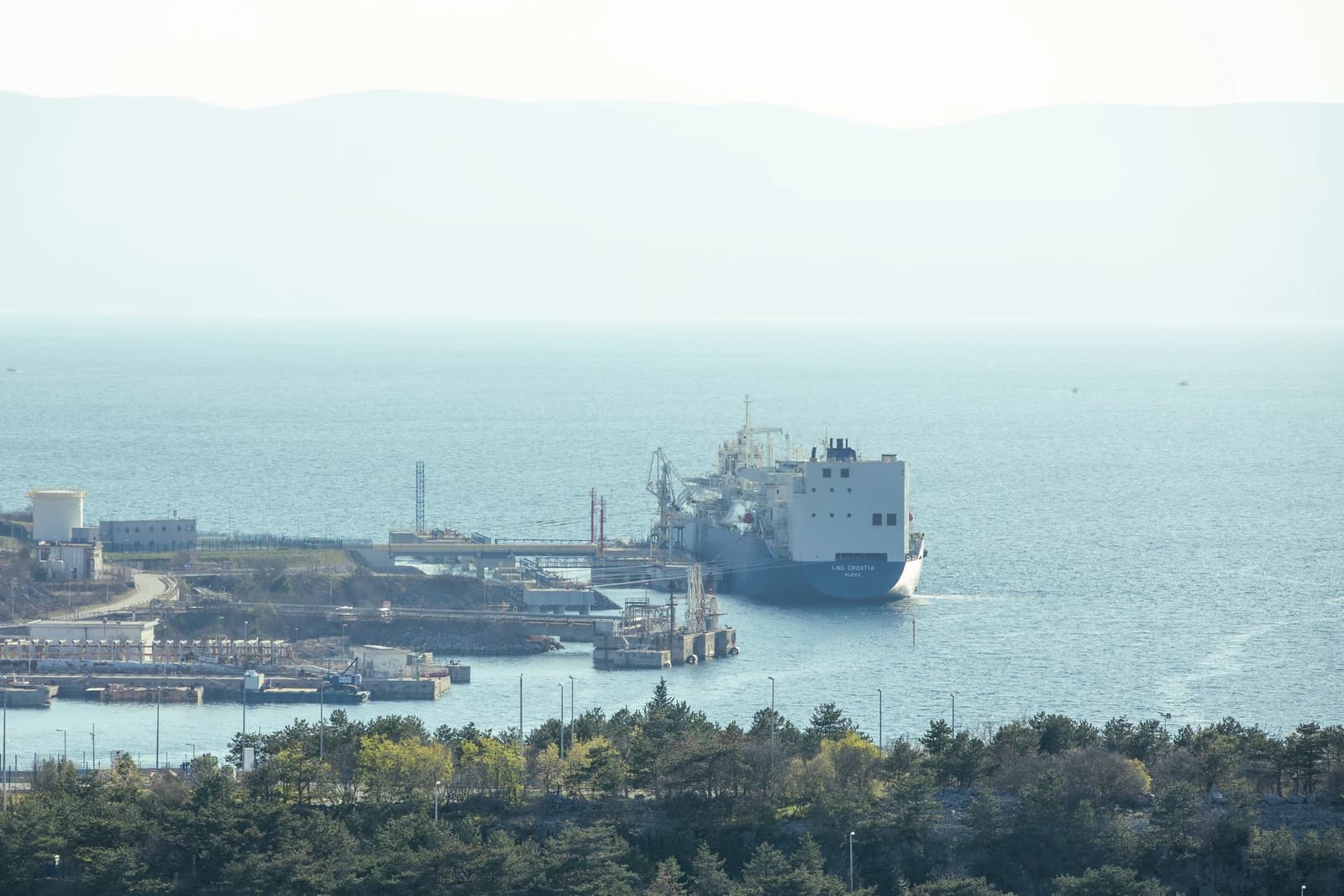
Speaking at the Kautilya Economic Conclave in New Delhi, India’s finance minister argued that countries should resolve disputes through dialogue and negotiated agreements, rather than letting geopolitical tensions harden into barriers to trade and investment. The message lands as conflicts involving Russia, Ukraine and Iran continue to disturb energy flows and as the Strait of Hormuz — a key route for oil and gas shipments — remains a live risk for global markets.
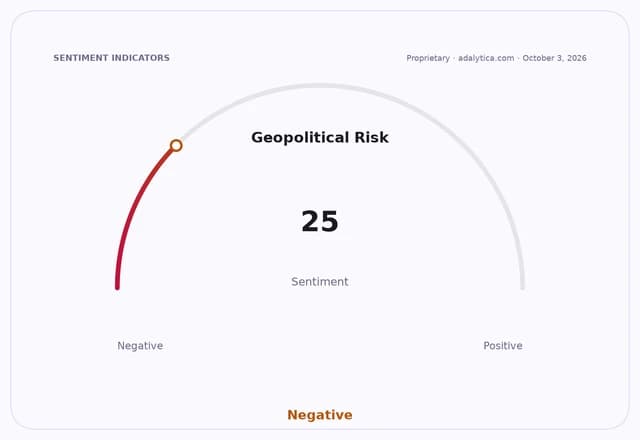
Sentiment IndicatorsⓘProprietary · adalytica.com · October 3, 2026
This is a snapshot — live sentiment, awareness and momentum for 130+ markets update continuously in the dashboard.Open AlphaPulse
The economic significance is straightforward: when energy transit is vulnerable and trade restrictions are spreading, firms face higher input costs, less reliable delivery schedules and more difficulty planning capital spending. Sitharaman framed the issue not just as a matter of prices, but of physical availability, underlining how a disruption in one chokepoint can ripple through transport, manufacturing and inflation expectations well beyond the immediate region.
Her comments also point to a broader policy shift among major economies toward resilience over efficiency. India, like other large importers and industrializing economies, is seeking to reduce exposure to concentrated supply chains through what Sitharaman called “structural autonomy” in strategic inputs. She cited the National Critical Minerals Mission, Rare Earth Corridors and India Semiconductor Mission 2.0 as examples of efforts to build domestic capabilities in sectors where dependence on single foreign suppliers can become a strategic liability.
Geopolitical Risk — 30-day sentimentadalytica.com
Explore this data interactively — full history, time series and cross-market comparisons.Open AlphaPulse
For investors, that has two implications. First, the market regime is increasingly favoring countries and companies that can manage supply-chain risk, secure access to critical minerals and diversify energy sourcing. Second, the push for autonomy may support domestic manufacturing, infrastructure and strategic-industry themes in India, while putting pressure on foreign suppliers that rely on open access to fast-growing markets.
The backdrop is worsening rather than improving. Beijing’s anti-dumping probe into EU chemical imports is the latest sign that trade frictions are broadening even among large, interdependent economies. That matters because the more trade disputes migrate from tariffs to industrial policy, the harder it becomes for global companies to forecast margins, inventory needs and cross-border investment returns.
Market signals are consistent with that anxiety. Adalytica’s Global Stability Sentiment gauge is in “Fear,” while its US dollar trade signals show “Extreme Fear,” reflecting a cautious stance toward global risk and currency volatility. Recent moves in exchange-traded funds tracking China and emerging markets suggest investors are still weighing the costs of fragmentation against the prospects for policy support and selective recovery.
India is trying to position itself as a beneficiary of that shift: open to trade, but less dependent on vulnerable supply lines. Sitharaman’s pitch is that resilience and openness are not opposites if countries keep negotiations alive and avoid turning geopolitical rifts into permanent economic walls. Whether that argument gains traction will depend on whether major powers can contain the current round of trade disputes before they start to reshape investment flows more permanently.
| Entity | Gains | Losses |
|---|---|---|
| India | ▲Strategic autonomy push | ▼Import dependence |
| Global exporters | ▲Predictable market access | ▼Trade barriers |
| Energy importers | ▲Supply diversification | ▼Transit-route shocks |
| EU chemical producers | ▲None | ▼China probe risk |