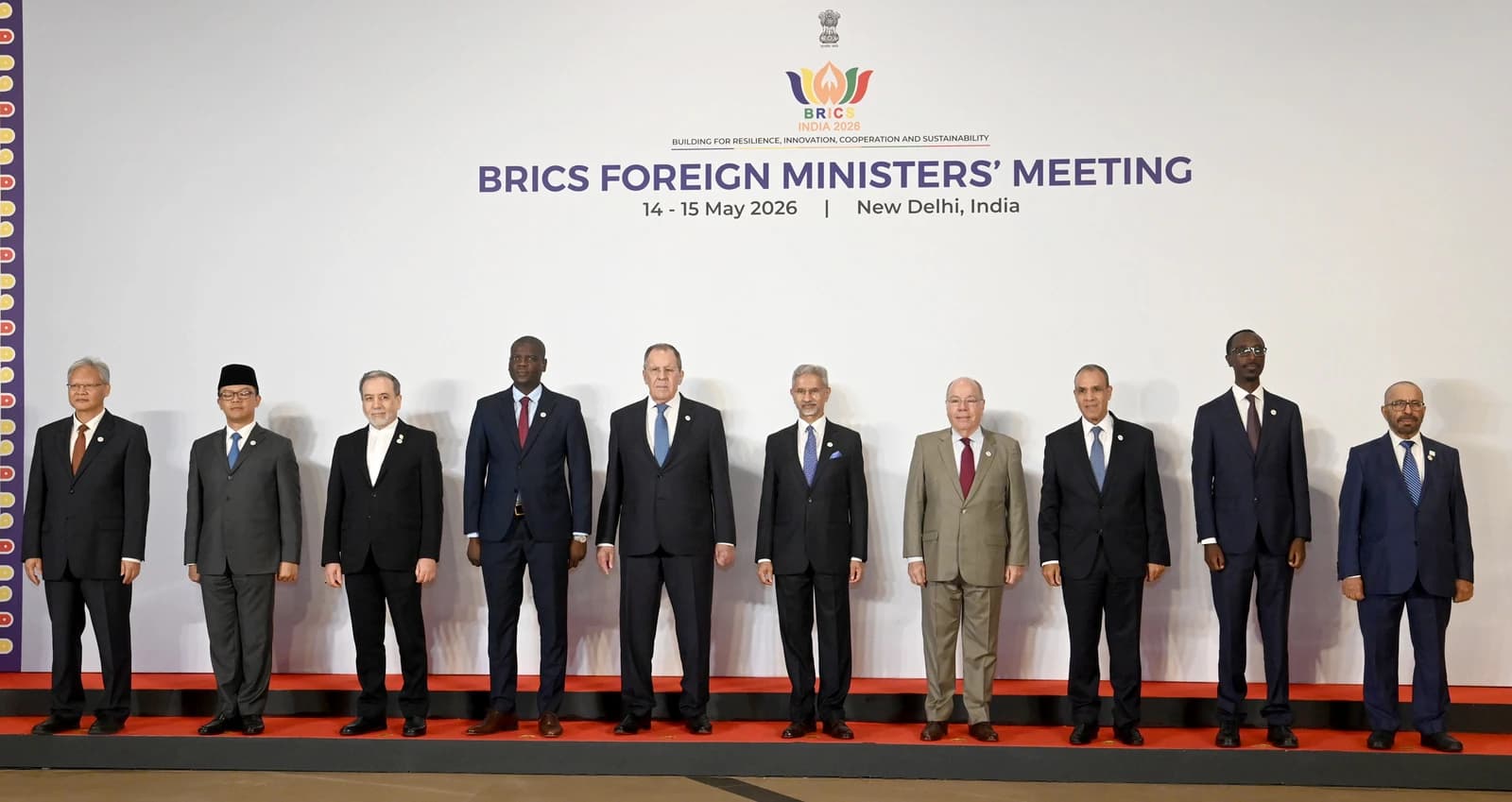
The BRICS summit in New Delhi was less about anti-Western rhetoric than about whether the bloc can turn political alignment into bankable economic cooperation at a time of fractured supply chains, volatile oil routes and growing pressure on emerging-market trade flows.
BRICS New Delhi Summit Focuses on Trade and Finance
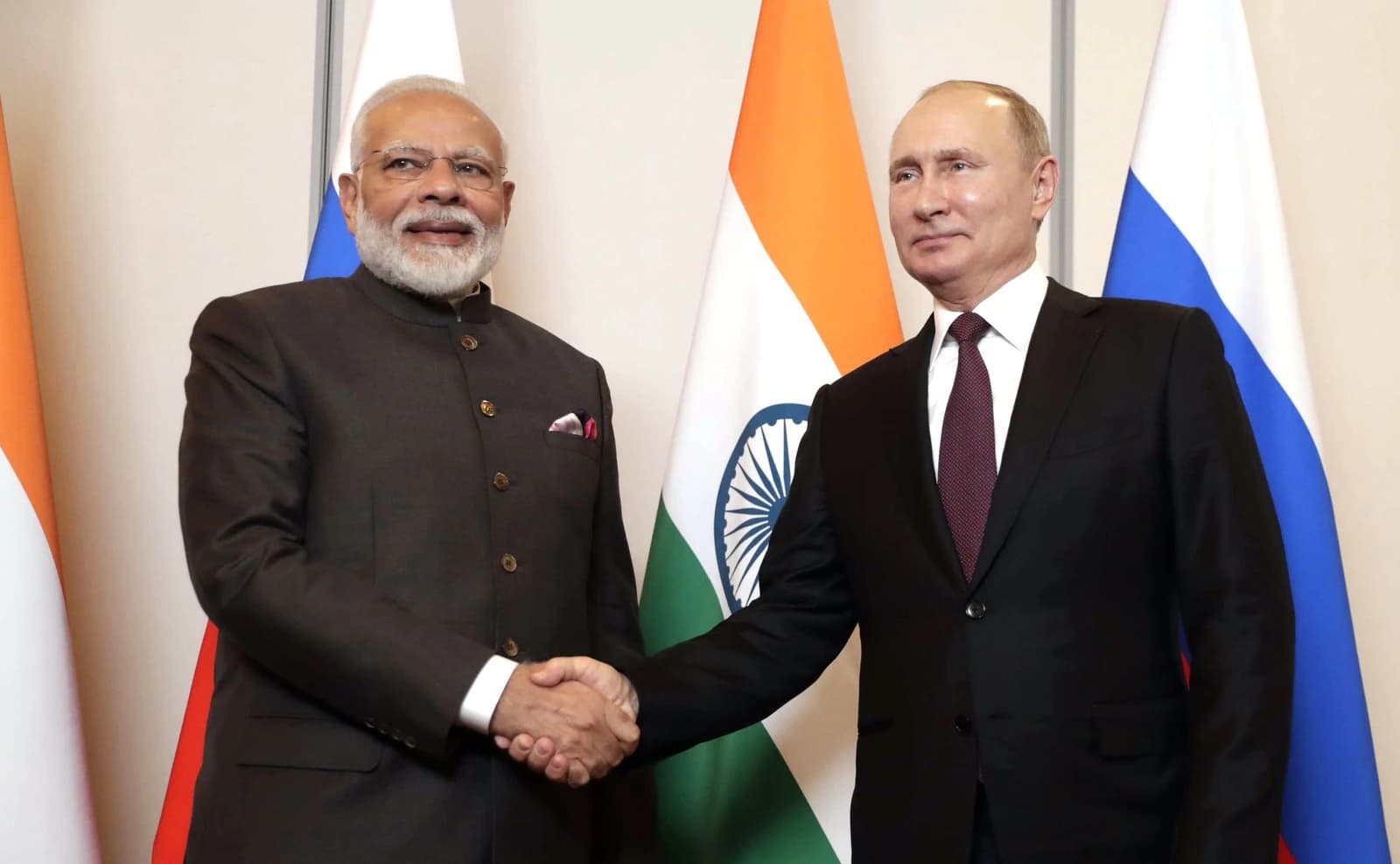
That matters because the bloc’s biggest members are increasingly using BRICS not just as a geopolitical forum but as a venue to manage real economic risks: energy security, trade financing, payment systems and market access. For India, the summit was also a display of status at home, reinforcing Prime Minister Narendra Modi’s pitch that the country is becoming a central power in global decision-making while keeping the agenda focused on growth rather than confrontation.
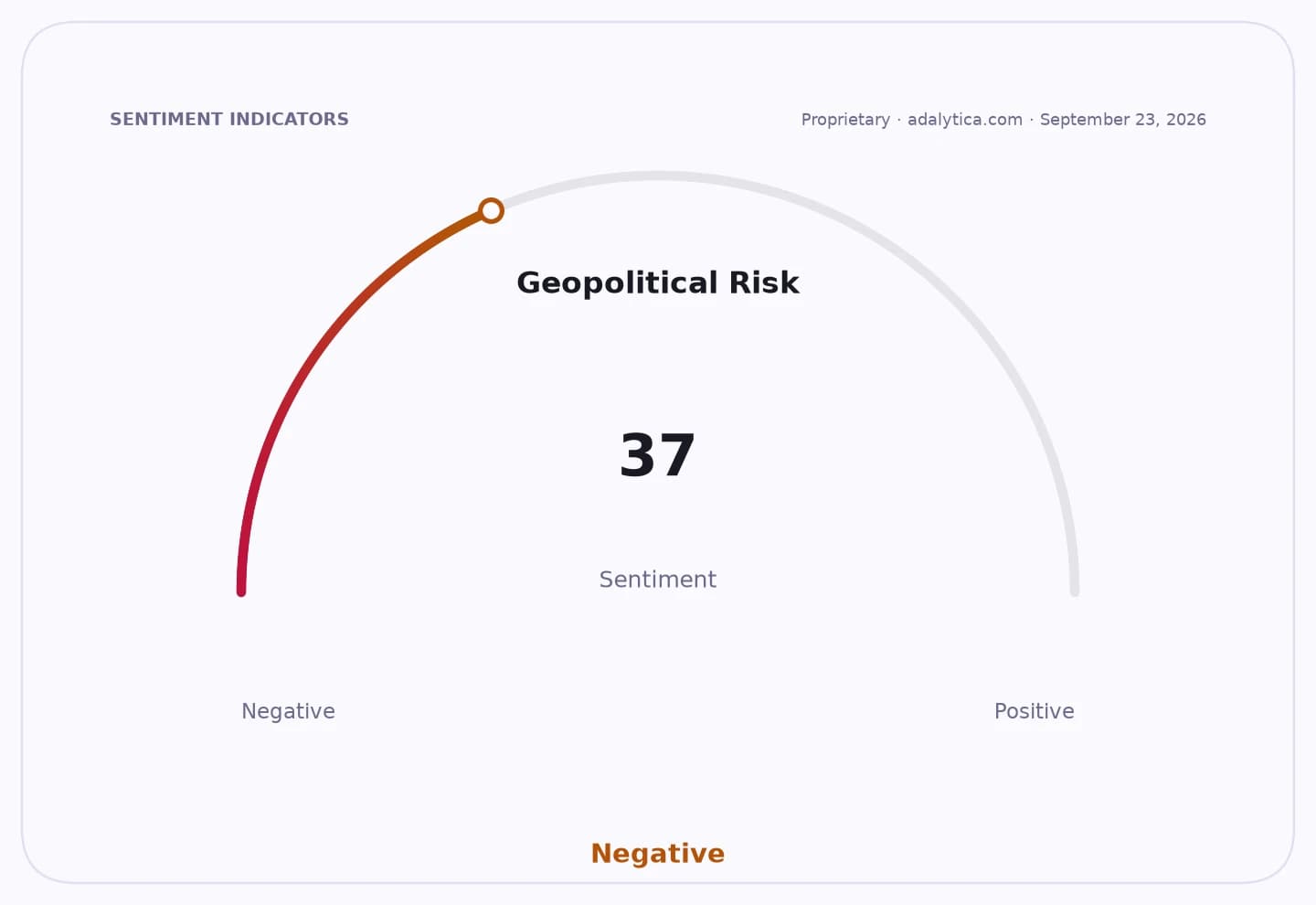
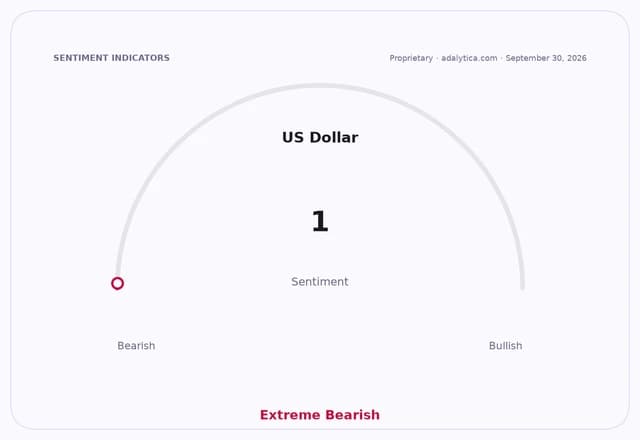
Sentiment IndicatorsⓘProprietary · adalytica.com · September 30, 2026
This is a snapshot — live sentiment, awareness and momentum for 130+ markets update continuously in the dashboard.Open AlphaPulse
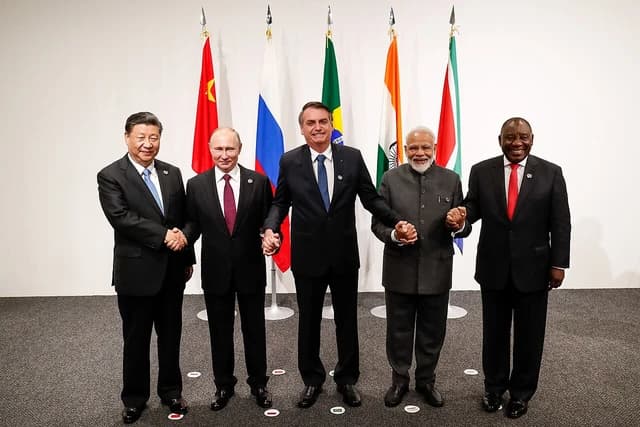
The clearest example was the effort to keep the summit usable for diplomacy even as conflict was active between members’ regional partners. Iran and the United Arab Emirates both attended, and the final declaration carefully called for restraint in the Middle East without siding with either camp. That kind of language may sound cautious to the point of blandness, but economically it is exactly what matters: BRICS is trying to preserve a platform where energy exporters, importers and transit states can still sit in the same room even when crude flows and shipping routes are under pressure.
That pressure is no abstraction. The context around the summit was the tightening risk environment in the Strait of Hormuz, a route crucial for oil shipments to India, China and Southeast Asia. With tankers still moving but under threat from drones, mines and the need to switch off transponders, freight costs are rising and supply chains are getting more expensive to manage. India and China have reduced some of their dependence on the Gulf by diversifying supplies, including into Russian crude and gas, but higher shipping and insurance costs still ripple through regional inflation, refining margins and trade balances.
For investors, the message is that BRICS is inching toward a practical economic bloc, not a formal geopolitical alliance. That distinction matters. A looser, more transactional BRICS can support cross-border trade settlement, infrastructure lending and technology ties without requiring the kind of discipline seen in NATO-style alliances. It also means the group’s value will be judged by execution: whether members can move from communiqués to contracts, and from strategic language to actual trade, payments and financing.
India and China remain the core test case. Their relationship is still constrained by border tensions, but the economics are compelling enough to keep cooperation alive. China needs India’s market and regional access; India needs Chinese technology and industrial inputs to sustain growth. The summit suggested both sides are willing to keep those channels open despite unresolved political friction, a sign that commercial necessity is still stronger than strategic distrust.
Russia also used the summit to push its own pivot eastward. Moscow showcased industrial offerings in India, including AI, transport, smart-city and payments initiatives, as it seeks to deepen ties beyond commodity exports. For Russia, that matters because sanctions and war have forced a search for alternative markets, but the current model still leaves it mostly selling discounted hydrocarbons and importing high-tech goods at a cost. The longer-term economic objective, as the summit rhetoric hinted, is to build new production chains with India and other Asian economies rather than simply reroute energy trade.
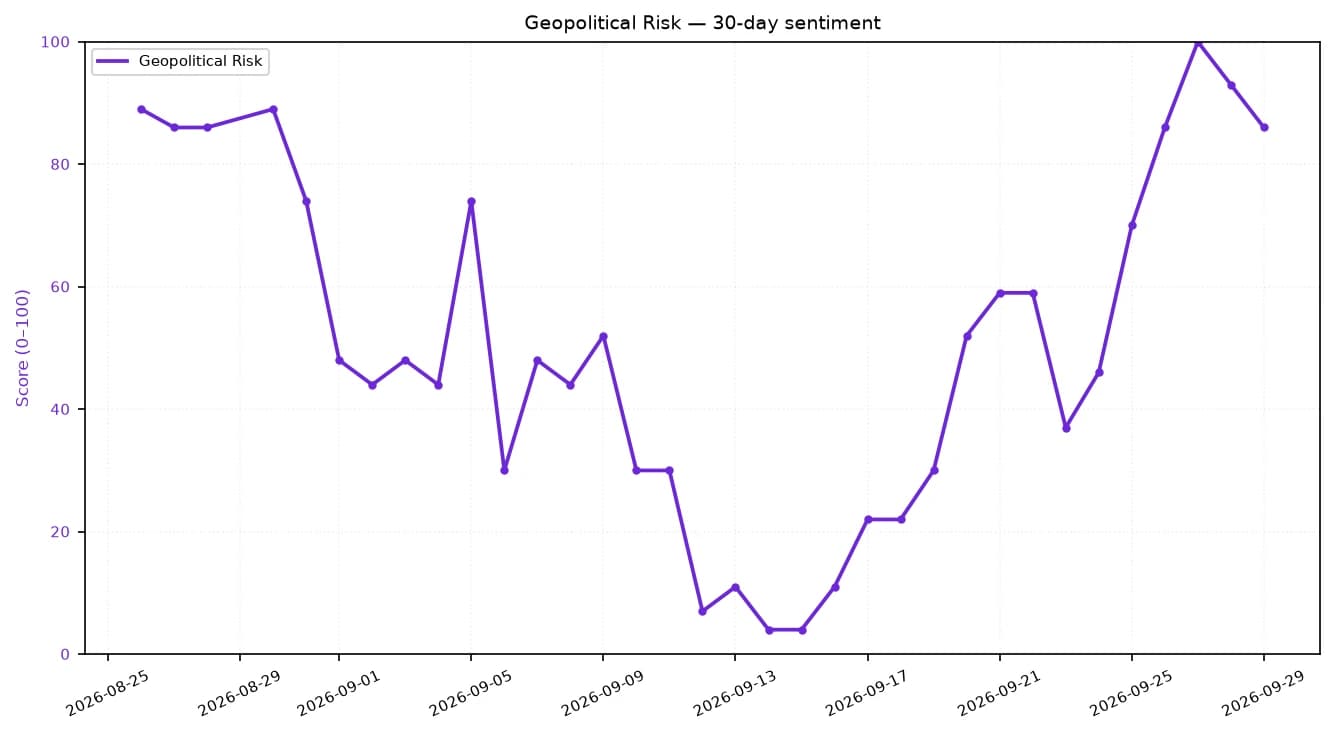
Markets are already sensitive to those themes. India-focused emerging-market assets such as the FXI China ETF and the EWZ Brazil ETF showed recent pressure and sharp swings, while Brazil’s BBD advanced modestly into the end of September. Conventional technical indicators on those funds still suggest mixed momentum rather than a decisive trend, underscoring that investors remain cautious about whether BRICS cooperation can translate into tangible earnings or trade benefits. The broader Global Stability sentiment gauge from Adalytica improved after a dip but remains far from calm, reflecting the market’s unease over geopolitics, oil and trade policy.
The deeper significance of the summit is that BRICS appears to be trying to grow up. The bloc still carries the symbolism of a challenge to Western dominance, but the economic story is more important: members want lower trade friction, more resilient energy routes, alternative financing and a louder voice in global rule-setting. If that agenda gains traction, the effect could be felt in commodity pricing, cross-border capital flows and the competitive positioning of lenders, exporters and infrastructure providers across Asia, the Middle East and Latin America.
| Entity | Gains | Losses |
|---|---|---|
| India | ▲Global stature; trade leverage | ▼Diplomatic friction risk |
| China | ▲Market access; regional influence | ▼Border mistrust with India |
| Russia | ▲Eastern economic pivot | ▼Dependence on commodity exports |
| Gulf exporters | ▲Dialogue platform; energy relevance | ▼Higher shipping risk |