BRICS is heading into its Delhi summit with a familiar problem: the bloc wants to sound like a bigger geopolitical force, but its members still do not agree on the world’s biggest conflicts.
BRICS Delhi summit faces split on wars and trade

That tension matters because BRICS has spent years trying to present itself as a more assertive voice for the Global South, and investors watch whether it can translate that ambition into practical cooperation on trade, finance and technology. South African High Commissioner to India Anil Sooklal said it would be “very difficult” for BRICS to develop a common position on wars in West Asia and the Russia-Ukraine conflict because the group is too diverse.
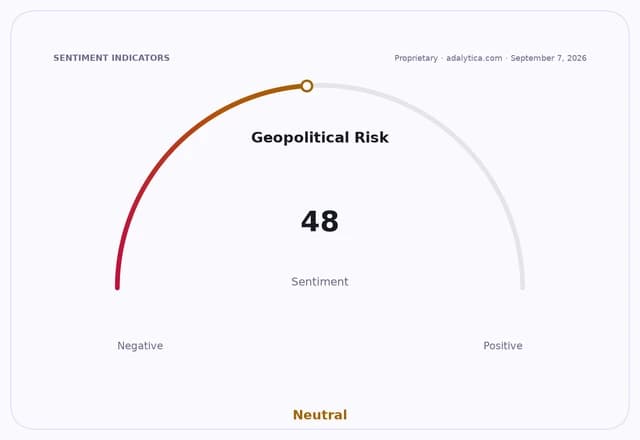
Sentiment IndicatorsⓘProprietary · adalytica.com · September 7, 2026
This is a snapshot — live sentiment, awareness and momentum for 130+ markets update continuously in the dashboard.Open AlphaPulse
That is not a trivial diplomatic footnote. A grouping that includes China, India, Russia and other emerging economies may share frustration with Western dominance, but its members often diverge sharply on security, sanctions and regional alliances. Sooklal’s point is that BRICS is better understood as a forum for engagement than as a unified foreign policy bloc, much like the G7 or even the European Union struggles at times to speak with one voice.
For investors, that distinction matters. If BRICS remains a loose consultation platform rather than a cohesive geopolitical counterweight, the market impact is likely to stay indirect: more symbolism than immediate policy change. But even symbolism can shape capital flows, especially if it influences how member nations approach cross-border payments, supply chains, commodity trade and technology partnerships.
Geopolitical Risk — 30-day sentimentadalytica.com
Explore this data interactively — full history, time series and cross-market comparisons.Open AlphaPulse
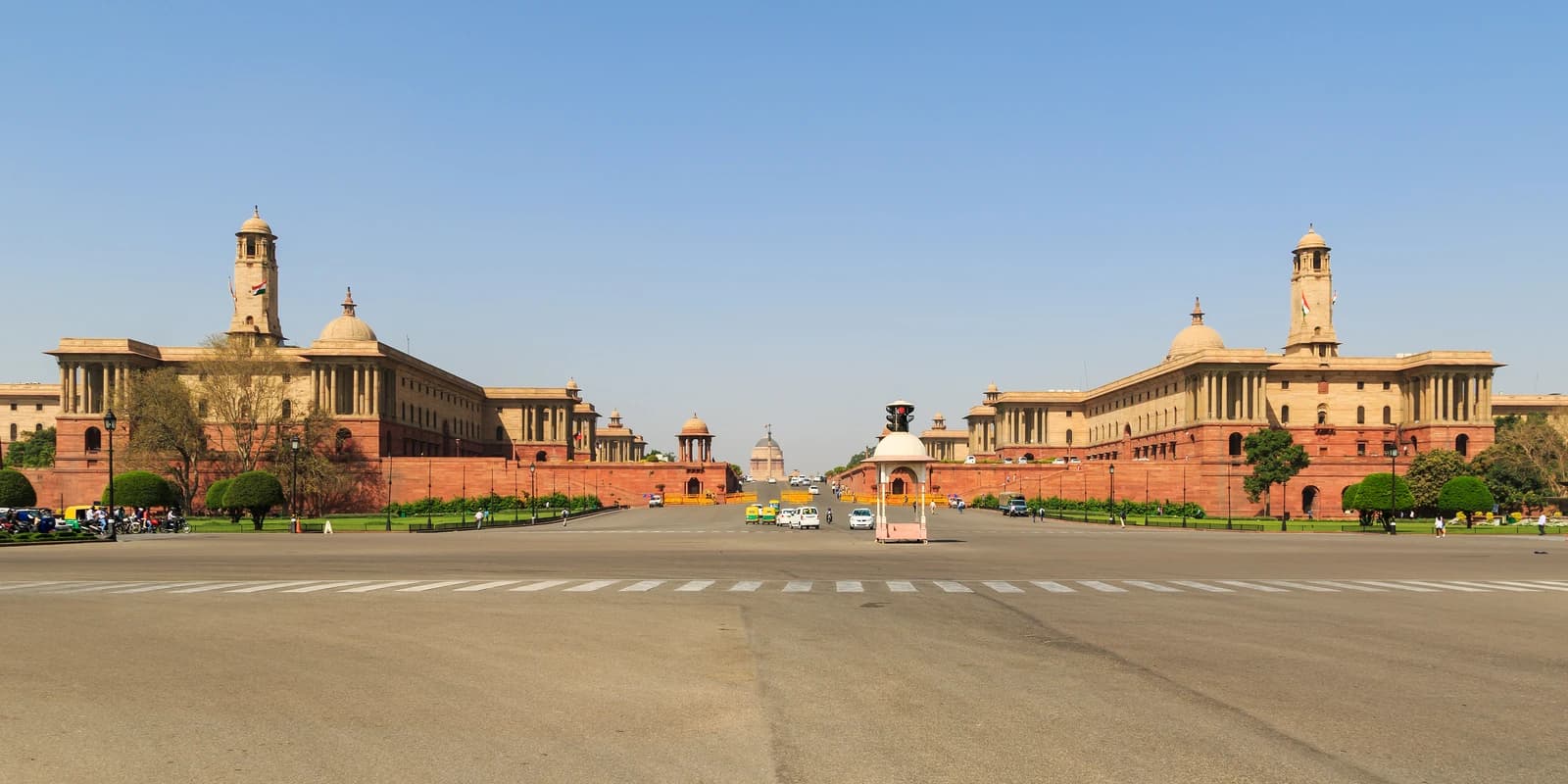
India’s role is especially important here. New Delhi will host the 18th BRICS Summit on September 12-13 at Bharat Mandapam, and the government has already held more than 350 meetings this year to advance the agenda. That suggests India wants the summit to be remembered less for confrontation and more for usable cooperation — including startup support, innovation and deeper intra-BRICS ties.
The investment angle is straightforward. A BRICS summit that produces concrete economic initiatives can support sentiment around emerging markets, including India-focused assets and broader developing-world exposure. In the price action, that backdrop has mattered more than the rhetoric: the SPDR S&P 500 ETF has stayed near record territory around $770, while the iShares China Large-Cap ETF has hovered near $36 and the iShares MSCI Brazil ETF around $38. That split underscores how much investors still prefer domestic fundamentals to grand geopolitical narratives.
The broader message is that BRICS does have staying power, but not because it speaks with perfect unity. Its strength lies in giving countries that do not always agree a place to talk, bargain and keep channels open. In a world where conflicts are multiplying and alliances are more fluid, that may be the most realistic form of influence.
For long-term investors, the takeaway is to watch what BRICS does, not what it claims to be. If India can steer the summit toward practical economic cooperation, that is more likely to matter than any hard-edged geopolitical declaration. If not, the bloc’s biggest value may remain as a forum for conversation — useful, but not yet transformative.
| Entity | Gains | Losses |
|---|---|---|
| India | ▲Summit leadership | ▼Pressure to deliver consensus |
| BRICS members | ▲Dialogue platform | ▼Unified geopolitical voice |
| Emerging-market investors | ▲More cooperation potential | ▼Policy ambiguity |
| Western policymakers | ▲Better channel for engagement | ▼Less BRICS coordination on rhetoric |