The biggest message from Antonio Guterres is not just diplomatic rhetoric — it is that the institutions built after World War II are looking increasingly out of sync with where global economic power now sits, and that mismatch is becoming impossible to ignore.
Guterres Calls for UN, Bretton Woods Reform

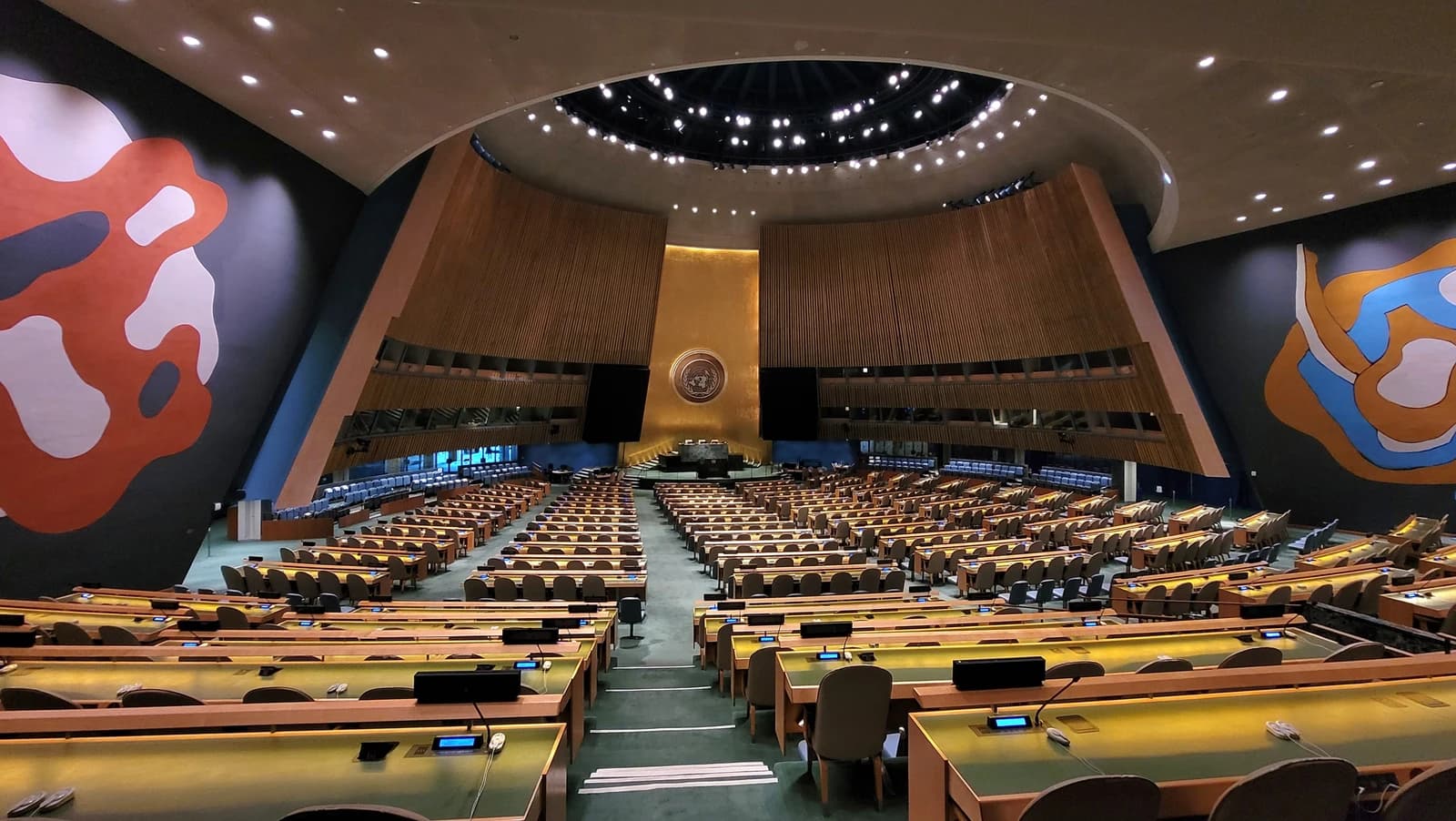
Speaking ahead of the UN General Assembly, the secretary-general called for a “redistribution of power” and urgent reform of both the UN Security Council and the Bretton Woods system, arguing that emerging economies are steadily taking a larger share of global GDP while developed countries are fading in relative weight. That matters because the postwar framework still governs everything from crisis lending to geopolitical legitimacy, even as BRICS and the broader Global South push for a bigger role in decision-making.
Sentiment IndicatorsⓘProprietary · adalytica.com · September 17, 2026
This is a snapshot — live sentiment, awareness and momentum for 130+ markets update continuously in the dashboard.Open AlphaPulse

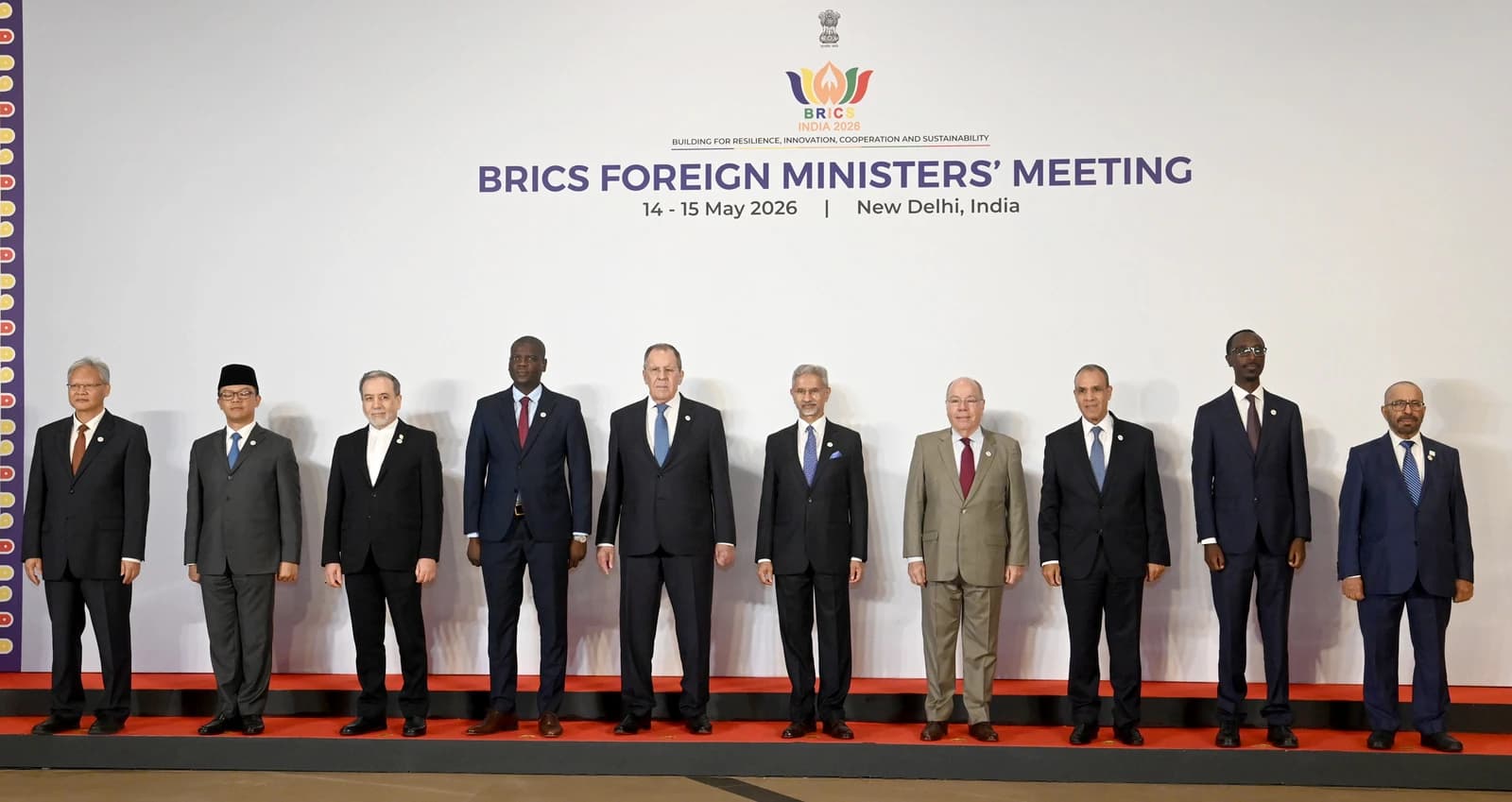
For investors, this is more than a politics story. When global institutions lag economic reality, it can shape everything from sovereign financing conditions to sanctions risk, trade alliances and capital flows. A more assertive BRICS bloc, now expanded to 11 members including China, India, Brazil, Saudi Arabia and the UAE, could deepen the shift toward regionalized trade and alternative funding channels. That has implications for multinational companies, commodity markets and any portfolio exposed to emerging-market demand.
The backdrop also helps explain the recent tone in emerging-market assets. India’s role as BRICS chair and its push for multipolarity underscore why investors are paying attention to large emerging economies that can benefit from a world where influence is less concentrated in Washington, Brussels and the traditional Bretton Woods institutions. Brazil, tracked by the EWZ ETF, has also been relatively firm compared with earlier in the year, while the broader emerging-markets ETF EEM has rebounded sharply from its spring lows, though both remain vulnerable to swings in global risk appetite.
The market message is not that a new world order arrives overnight. These reforms are politically difficult and likely to move slowly, if at all. But the direction of travel is clear: emerging economies are demanding greater say, and that pressure will keep building as their share of output rises. For long-term investors, the practical lesson is to watch for more fragmentation in trade and finance, more South-South cooperation and more opportunities in countries tied to secular growth, infrastructure and commodity demand. This is the kind of structural shift worth adding to a watchlist — and worth holding through the noise.
| Entity | Gains | Losses |
|---|---|---|
| BRICS members | ▲More influence | ▼Status quo powers |
| Emerging markets | ▲Bigger voice | ▼Developed economies |
| EWZ/EEM investors | ▲Growth exposure | ▼Complacent global allocators |
| Bretton Woods institutions | ▲Reform pressure | ▼Unchanged power structures |