The UN’s adoption of a resolution backing a world map that better reflects the true size of Africa and the Global South matters because it is not just cartography — it is soft power, policy framing and, increasingly, market narrative.
UN map resolution and emerging markets
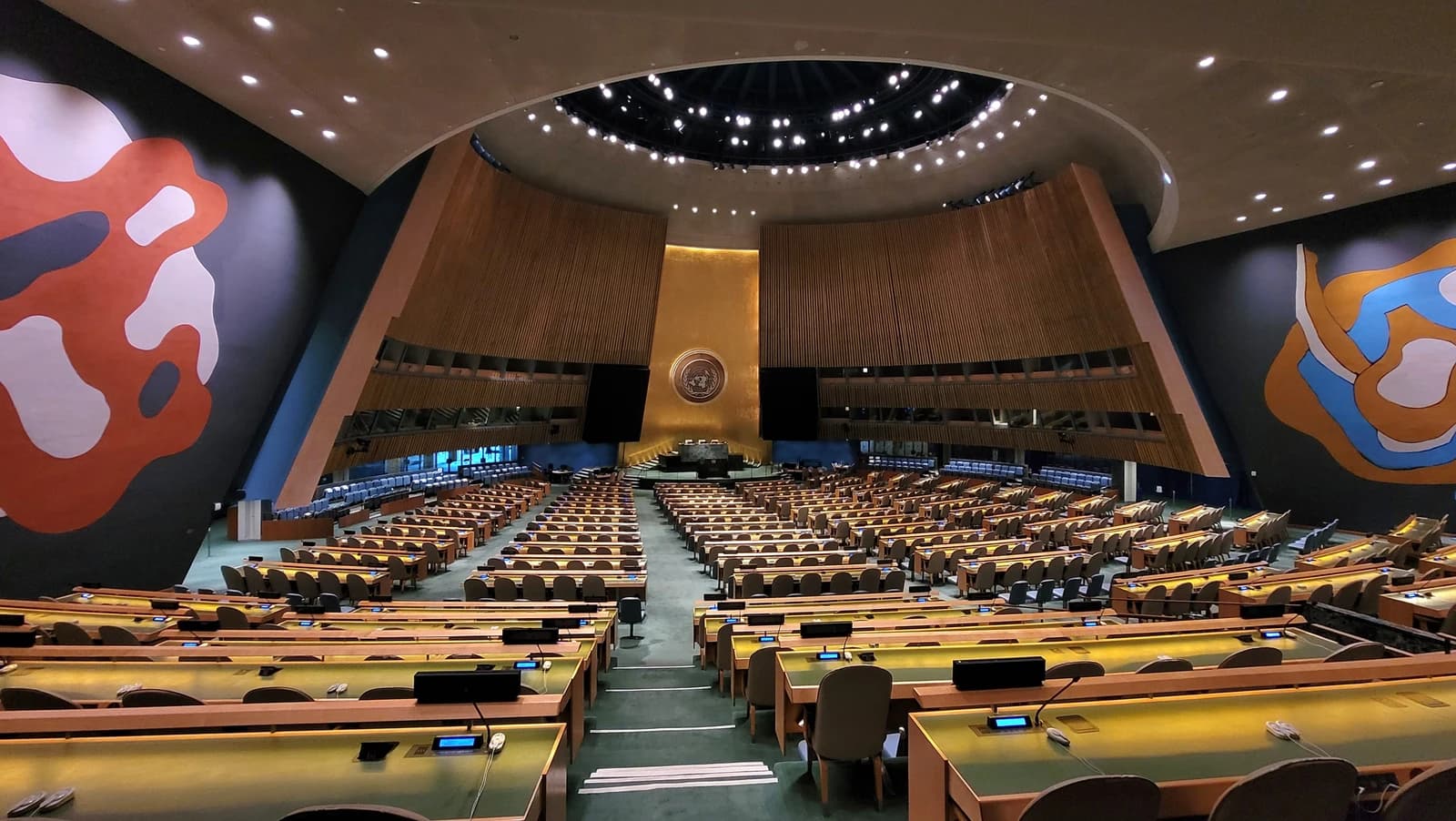
For investors, the issue is less about whether a map changes trade flows overnight and more about what it says about the balance of influence. A larger visual Africa can reinforce a broader shift in how governments, institutions and companies think about demographics, resource demand, development finance and geopolitical alignment. That is why emerging-market assets, especially those tied to developing economies, can react to any sustained change in perception around the Global South’s economic weight.
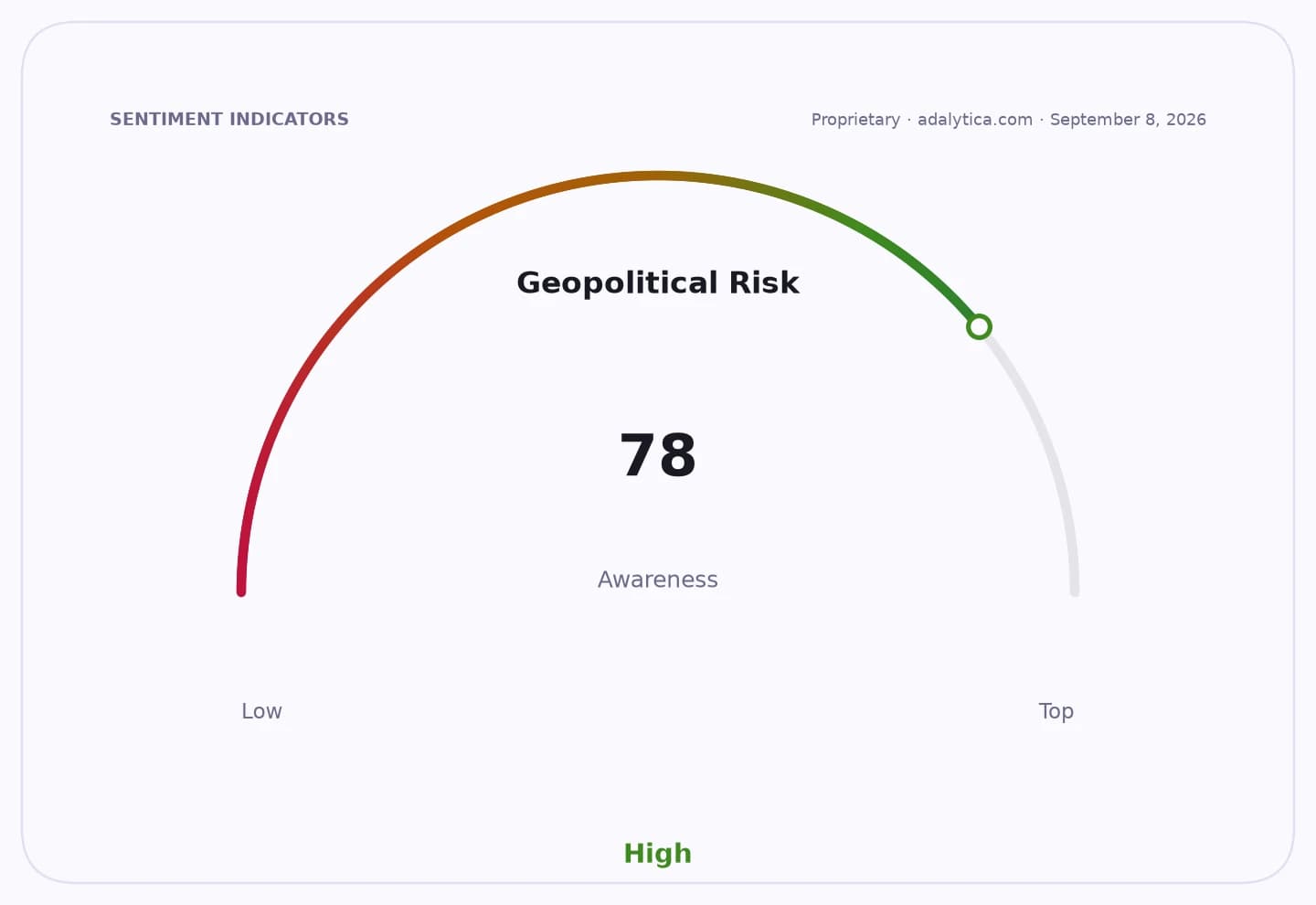
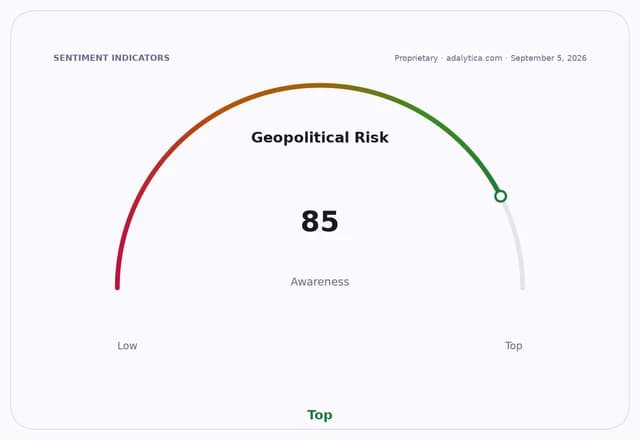
Sentiment IndicatorsⓘProprietary · adalytica.com · September 5, 2026
This is a snapshot — live sentiment, awareness and momentum for 130+ markets update continuously in the dashboard.Open AlphaPulse
The market backdrop suggests investors are already pricing a more constructive view of emerging markets. The iShares MSCI Emerging Markets ETF, EEM, has climbed to 68.7 from 50.94 on Oct. 10, while maintaining support above its 50-day moving average at 65.8 and 200-day average at 61.45. Momentum remains positive, with the RSI in the high 50s and MACD still above its signal line, indicating the rally has not yet fully faded. Brazil’s EWZ has also strengthened, ending at 37.86 versus 35.47 on July 29, though its RSI near 82.7 points to a stretched short-term move. China’s FXI has been more muted, trading at 35.88, still below its 200-day average of 36.47, underscoring how uneven the emerging-market trade remains.
That divergence matters. A resolution such as this is unlikely to move asset prices directly, but it reinforces a narrative that could benefit countries and sectors tied to the Global South: infrastructure, commodities, energy transition metals, ports, logistics and development lenders. It may also support the case for investors who argue that benchmark structures and global media coverage still underweight the economic scale of Africa, Latin America and parts of Asia relative to their population growth and long-term demand potential.
The bearish case is that symbolism rarely translates into capital allocation on its own. Market leadership will still depend on rates, dollar direction, China’s growth profile and country-specific politics. Brazil can rally even as China lags, and both can reverse quickly if global risk appetite weakens. Still, the UN move adds to a broader reputational shift that could gradually alter how policymakers and investors discuss the Global South — and that can matter at the margin in portfolio construction, sovereign fundraising and development finance.
For investors, the key question is whether this is merely a one-off cultural gesture or part of a longer re-rating of emerging markets’ place in the global order. If the latter, the beneficiaries would be resource exporters, commodity producers and frontier-market borrowers; the losers would be those relying on old assumptions about where economic gravity sits.
| Entity | Gains | Losses |
|---|---|---|
| Africa / Global South | ▲Greater visibility | ▼Old Eurocentric framing |
| Emerging-market ETFs | ▲Narrative support | ▼Short-term skeptics |
| Commodity exporters | ▲Stronger demand thesis | ▼Import-dependent economies |
| Developed-market incumbents | ▲— | ▼Relative influence over narrative |