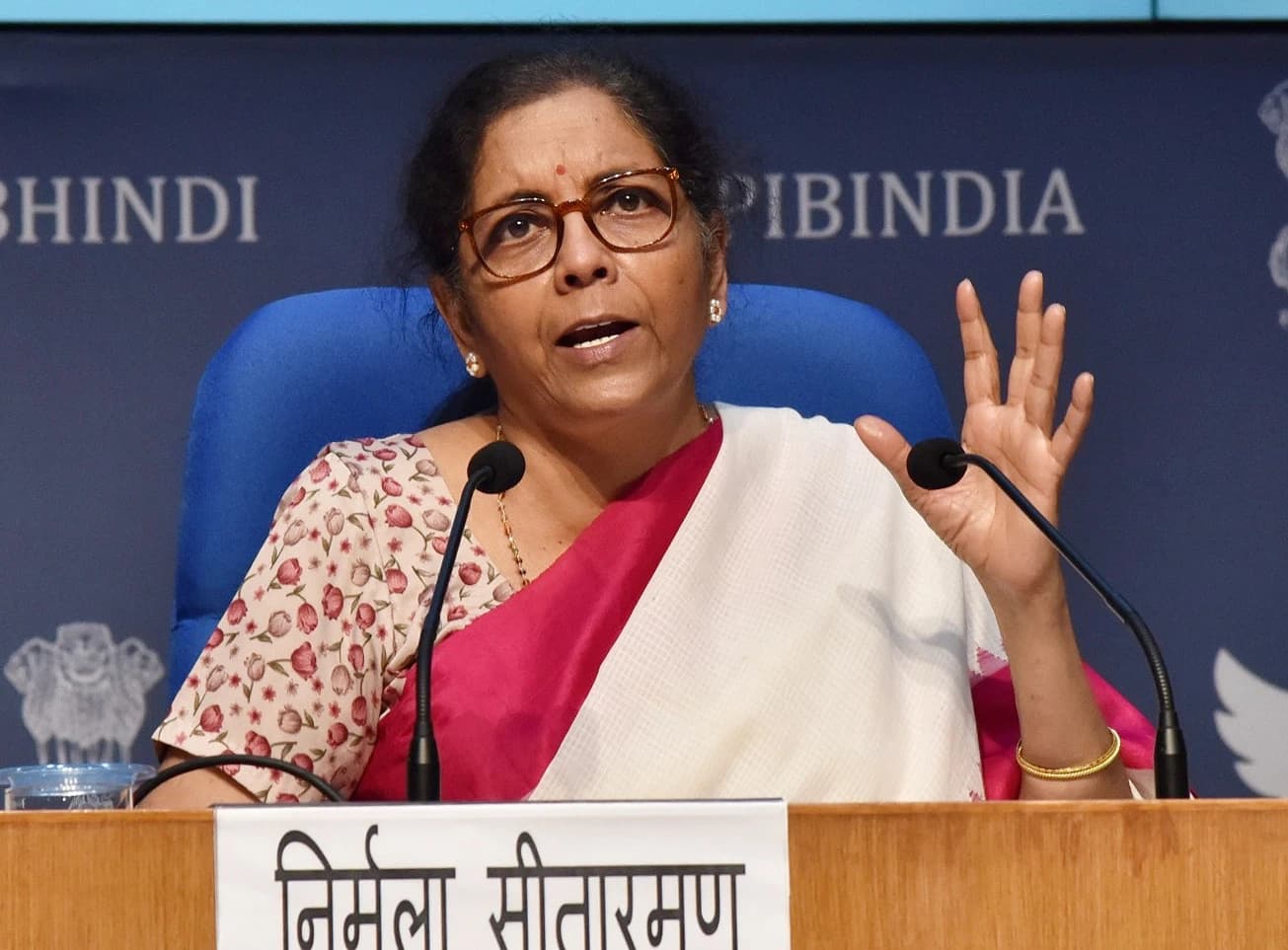
India’s economic resilience will depend less on shielding itself from global shocks than on adapting quickly to them, Vice President C.P. Radhakrishnan said, as New Delhi tries to position the country as a relative winner in an era of trade fragmentation, technology disruption and climate stress.
India Resilience Focus at Kautilya Economic Conclave
That message matters because India is entering a more volatile global phase with its growth momentum intact. Radhakrishnan pointed to real GDP growth of 7.8% in the first quarter of 2026-27, a pace that gives policymakers room to absorb external turbulence even as global trade patterns shift, tensions rise and capital flows become more selective.
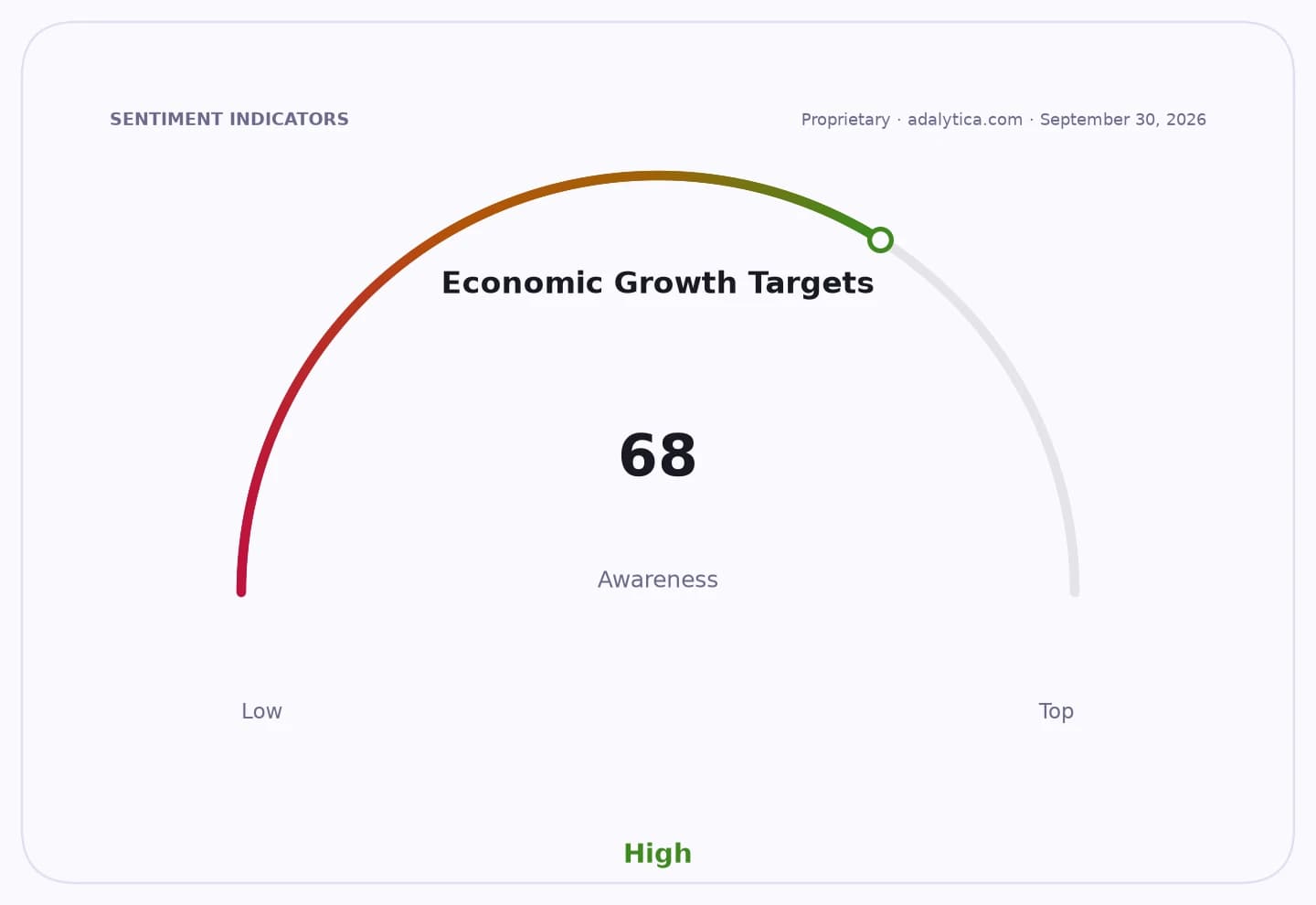
Sentiment IndicatorsⓘProprietary · adalytica.com · October 3, 2026
This is a snapshot — live sentiment, awareness and momentum for 130+ markets update continuously in the dashboard.Open AlphaPulse
The remarks, delivered at the opening of the fifth Kautilya Economic Conclave in New Delhi, framed flexibility as the core economic strategy. For investors, that is a reminder that India’s investment case is increasingly tied not just to domestic demand, but to how effectively the economy can absorb supply-chain shifts, tariff realignments and technology-led changes in manufacturing, services and finance.
The vice president’s emphasis on “ground realities” and policy flexibility also speaks to a broader policy debate in emerging markets: whether growth can stay durable when the external environment is no longer benign. India is pitching itself as better placed than many peers because of financial inclusion, direct benefit transfers, GST-led formalisation and the expansion of women’s self-help groups, all of which widen participation and reduce the risk that growth remains concentrated in a narrow slice of the economy.
That broader participation argument matters for markets because it supports the idea that India’s growth is becoming more durable, not just faster. A stronger domestic transmission mechanism can help offset weaker exports, while formalisation and digital public infrastructure can improve tax collection, credit access and corporate transparency over time.
Radhakrishnan also linked long-term resilience to research capacity and international collaboration, a signal that India sees technology and knowledge partnerships as central to the next phase of growth. That is particularly relevant as the country negotiates free trade agreements and tries to move up the value chain in manufacturing, semiconductors, services and clean energy.
For investors, the bullish case is that India’s policy flexibility, large domestic market and institutional push toward formalisation can keep earnings growth and capital formation intact even if global conditions deteriorate. The bear case is that external shocks, climate damage and slower private investment could expose lingering structural gaps, especially if reform momentum weakens or global demand softens.
The main takeaway from the conclave is that India is trying to recast resilience as an active strategy, not a defensive one. If growth stays near the high end of global peers and the economy continues to broaden participation, the country could remain one of the more attractive large-market destinations for foreign investors, even in a world where geopolitics and trade are increasingly difficult to predict.
| Entity | Gains | Losses |
|---|---|---|
| India’s policymakers | ▲Room to steer growth | ▼Pressure to respond quickly |
| Domestic consumers and workers | ▲Broader economic participation | ▼Less protection from shocks |
| Foreign investors in India | ▲Relative growth premium | ▼Exposure to external volatility |
| Exporters and innovators | ▲Trade and tech adaptation | ▼Firms slow to retool |