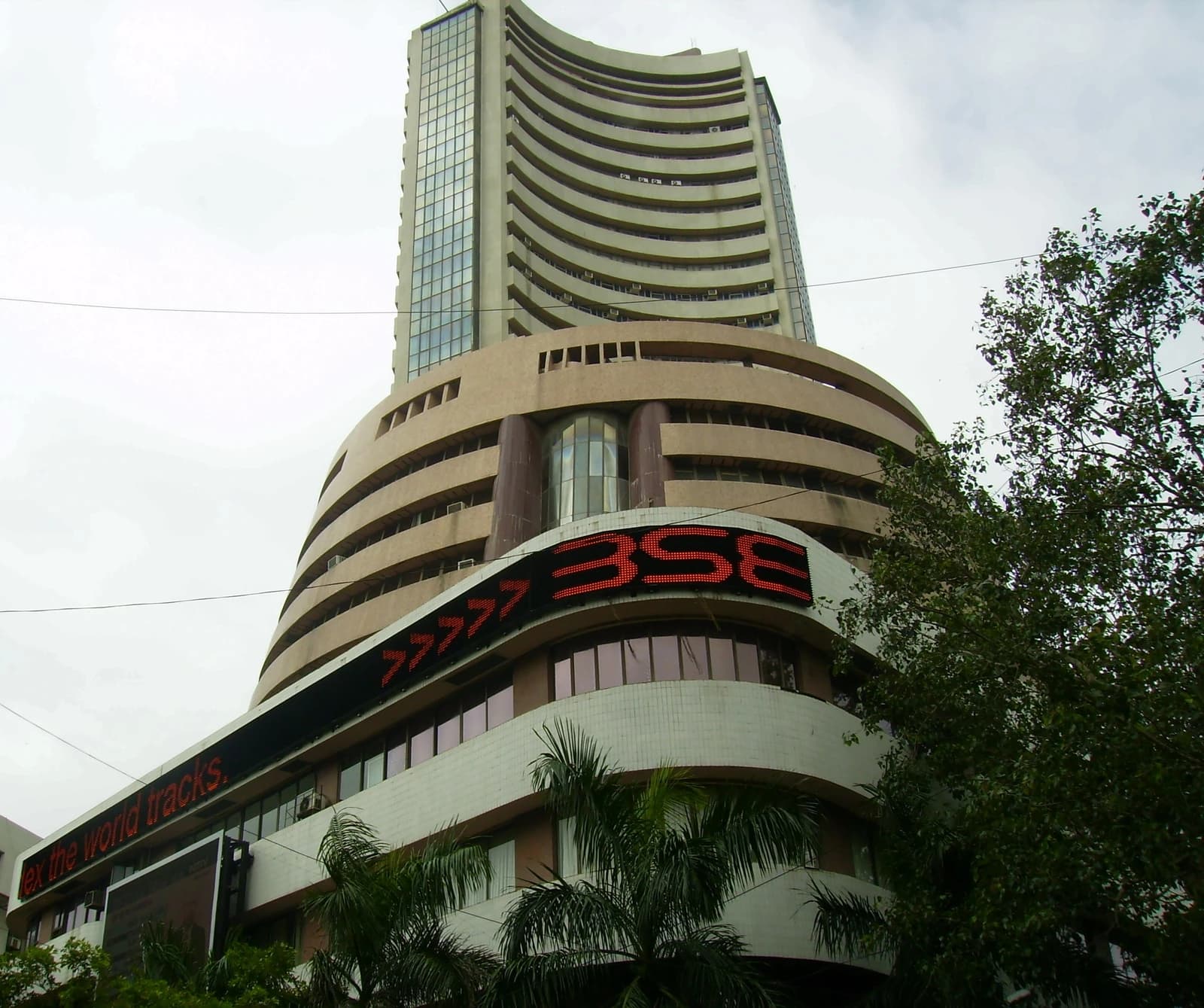
India’s benchmark Nifty 50 has fallen about 5% in a month, but the bigger question for investors is whether the pullback is setting up a healthier entry point for a market that had already run too far, too fast.
Nifty 50 Falls Toward 22,400 After 5% Monthly Drop
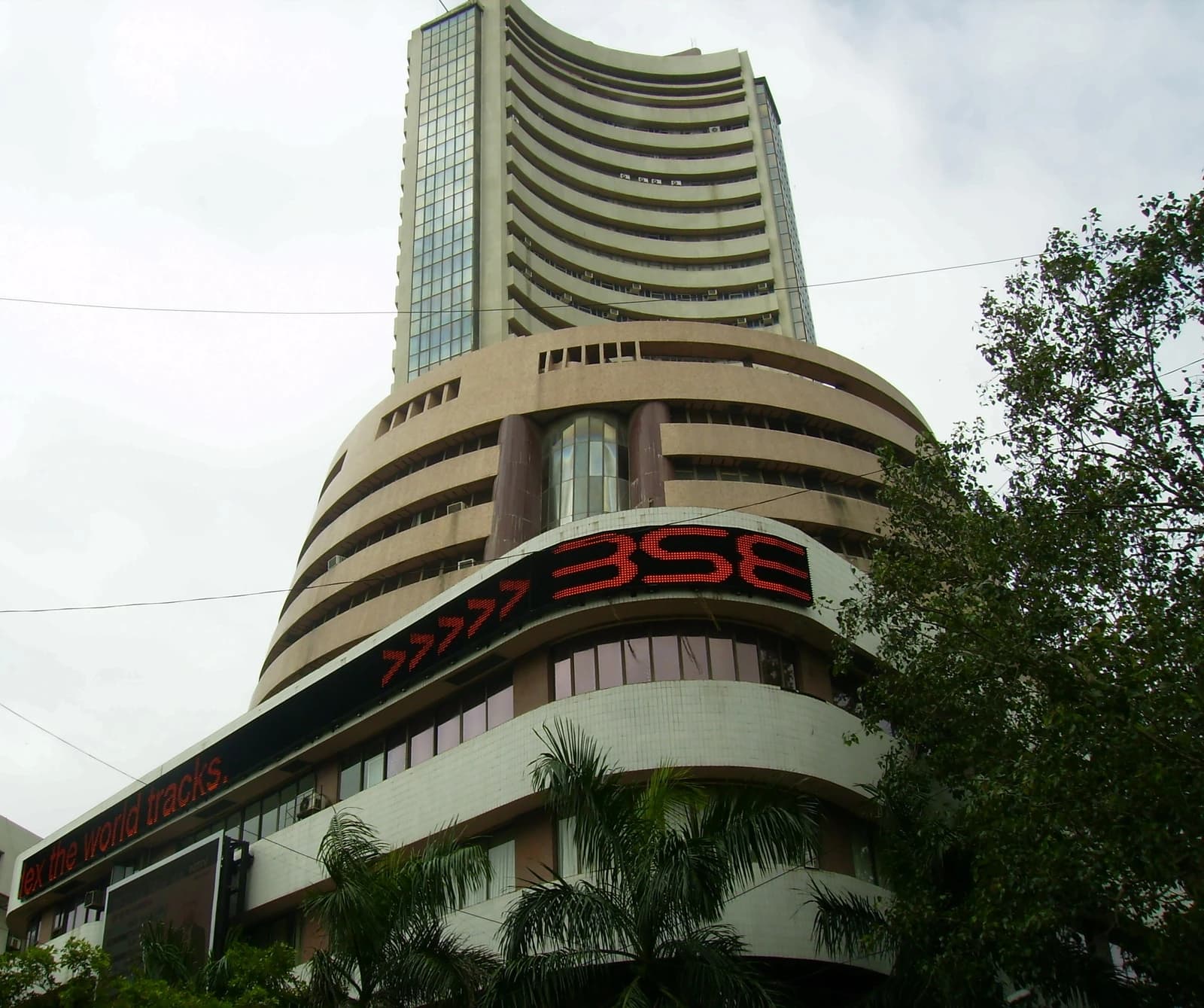
The index is now trading around 22,400, down more than 12% from its January record high of 26,373, and the slide has been driven by the same forces that can punish emerging markets hard: higher US bond yields, firmer crude oil, a weaker rupee, foreign outflows and renewed geopolitical tension. That mix matters because India is a large oil importer, so every spike in crude raises the risk of inflation, narrows policy room and weakens corporate margins.
Sentiment IndicatorsⓘProprietary · adalytica.com · October 2, 2026
This is a snapshot — live sentiment, awareness and momentum for 130+ markets update continuously in the dashboard.Open AlphaPulse
There is still a plausible path back to 25,000 this year, but it is not a simple matter of “mean reversion.” To get there, the market needs help from global macro conditions, steadier foreign buying and earnings that keep growing fast enough to justify valuations. In other words, the rally must be earned. The Nifty’s recent trading pattern shows how quickly momentum has faded: its 50-day moving average has rolled over, the index is below its 200-day moving average, and relative strength index readings have sunk into oversold territory, all signs that sellers are still in control even after the sharp correction.
That is exactly why long-term investors should think beyond the headline level. A return to 25,000 would not be a new high, just a recovery toward a price the market has already seen. If inflation cools, oil stabilizes and foreign capital stops leaving, India’s structural growth story — rising consumption, banking depth, digitization and manufacturing capacity — should reassert itself. Those are the forces that can make declines temporary and compounding permanent.
For now, the market is asking investors to be patient rather than heroic. The next big move in the Nifty will likely come from global liquidity and earnings, not hope alone. For long-term portfolios, this looks more like a watchlist moment than a panic moment.
| Entity | Gains | Losses |
|---|---|---|
| Long-term investors | ▲Better entry points | ▼Near-term volatility |
| Exporters | ▲Weaker rupee tailwind | ▼Higher input costs |
| Oil importers | ▲None | ▼Higher crude bills |
| Foreign sellers | ▲Short-term de-risking | ▼Exposure to rebound |