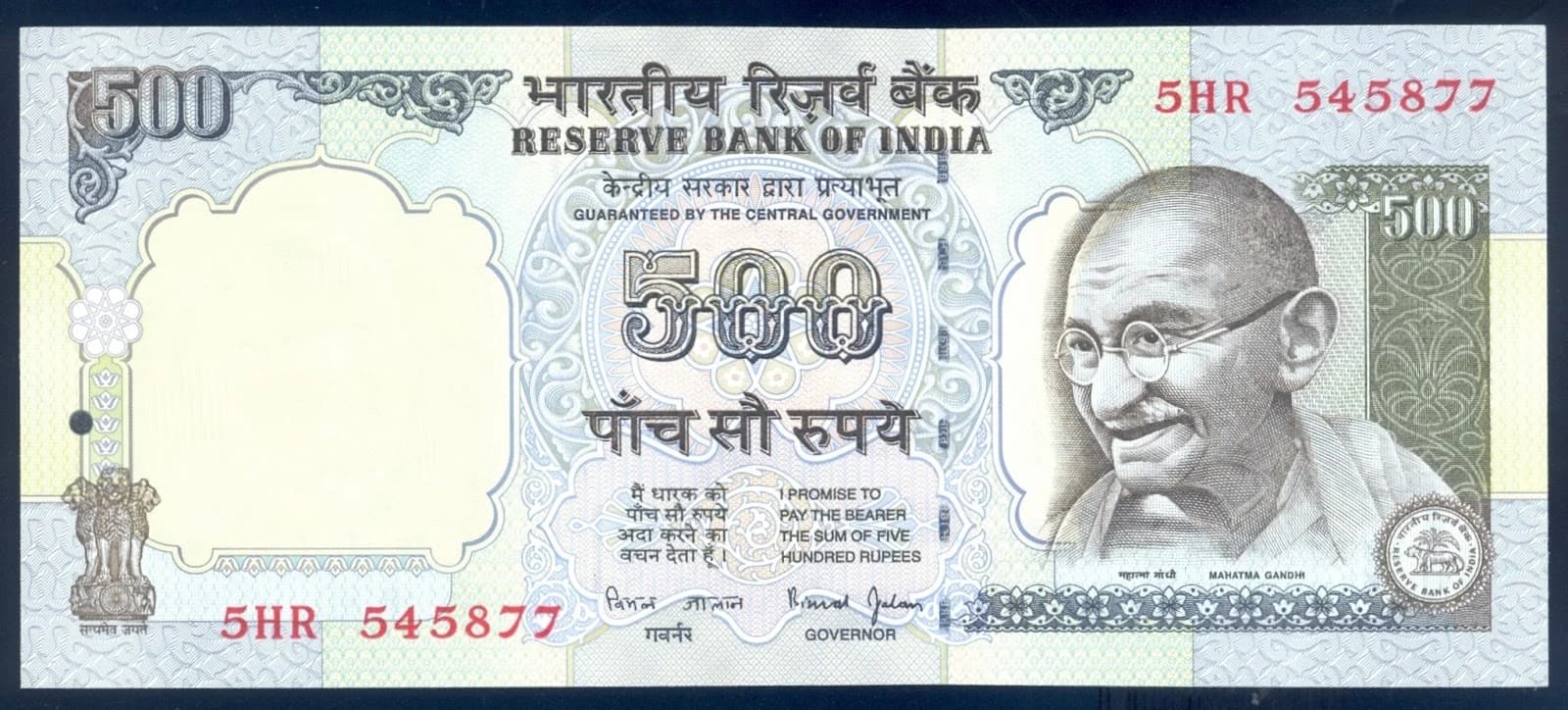
The Indian rupee is again closing in on the psychologically important 97 mark against the US dollar, a move that matters because it raises the cost of imports, complicates inflation control and keeps pressure on the Reserve Bank of India to keep defending the currency.
Indian rupee nears 97 against US dollar

For investors, the bigger story is not just a weaker rupee — it is what a sustained slide says about India’s external balance at a time when crude prices are firm, foreign capital has been more selective and the dollar remains the world’s preferred safe haven. A currency that keeps losing ground can quickly feed into corporate margins, bond yields and policy expectations, especially for companies reliant on imported energy, electronics or other dollar-linked inputs.
Sentiment IndicatorsⓘProprietary · adalytica.com · October 1, 2026
This is a snapshot — live sentiment, awareness and momentum for 130+ markets update continuously in the dashboard.Open AlphaPulse
The latest price data show USD/INR at 96.31 on Oct. 1, just above the 96 area that traders have been treating as a line in the sand. The pair has climbed steadily from 93.55 in late August, with the 50-day moving average now near 95.49 and the 200-day average around 93.85, underscoring the strength of the uptrend. Momentum indicators such as RSI and MACD suggest the move is still intact, even if short-term volatility has picked up.
That weakness fits the broader macro picture. India imports most of its crude, so higher oil prices widen the current-account pressure and increase dollar demand across the economy. When importers, companies and investors all need greenbacks at once, the rupee often takes the hit first. The RBI can slow that move through dollar sales, but it cannot fully override persistent external demand without paying a cost in reserves or liquidity.
The backdrop in global markets has also not been kind to risk currencies. The US dollar has regained ground, while Treasury market signals show investors are still paying close attention to growth and rate expectations. That matters because a firmer dollar usually tightens financial conditions for emerging markets, especially those with import-heavy economies like India.
For long-term investors, the rupee’s slide is a reminder to think beyond the headline exchange rate. A weaker currency can be a headwind for airlines, refiners, chemicals, capital goods and consumer companies with high imported input costs. It can also be a tailwind for exporters, software firms and businesses that earn dollars overseas. Over time, the most resilient portfolios are the ones that own both sides of that equation.
The next question is whether the RBI can keep the rupee from breaking decisively above the 96-97 zone. If crude stays elevated and dollar demand keeps rising, the central bank may be forced to stay active. For investors, that makes this a story worth watching, not for a quick trade, but for what it reveals about margins, inflation and the durability of India’s growth story.
| Entity | Gains | Losses |
|---|---|---|
| Indian exporters | ▲Higher rupee value of foreign earnings | ▼— |
| Import-dependent companies | ▲— | ▼Higher input costs |
| RBI | ▲Short-term currency stability | ▼Pressure on reserves |
| US dollar | ▲Safe-haven demand | ▼— |