India is doing something far more interesting than simply joining the anti-dollar chorus: it is building a reserve strategy that uses both dollars and gold to protect the economy, and that could matter a great deal if the greenback keeps strengthening.
India RBI Reserves Rise to $785.7 Billion

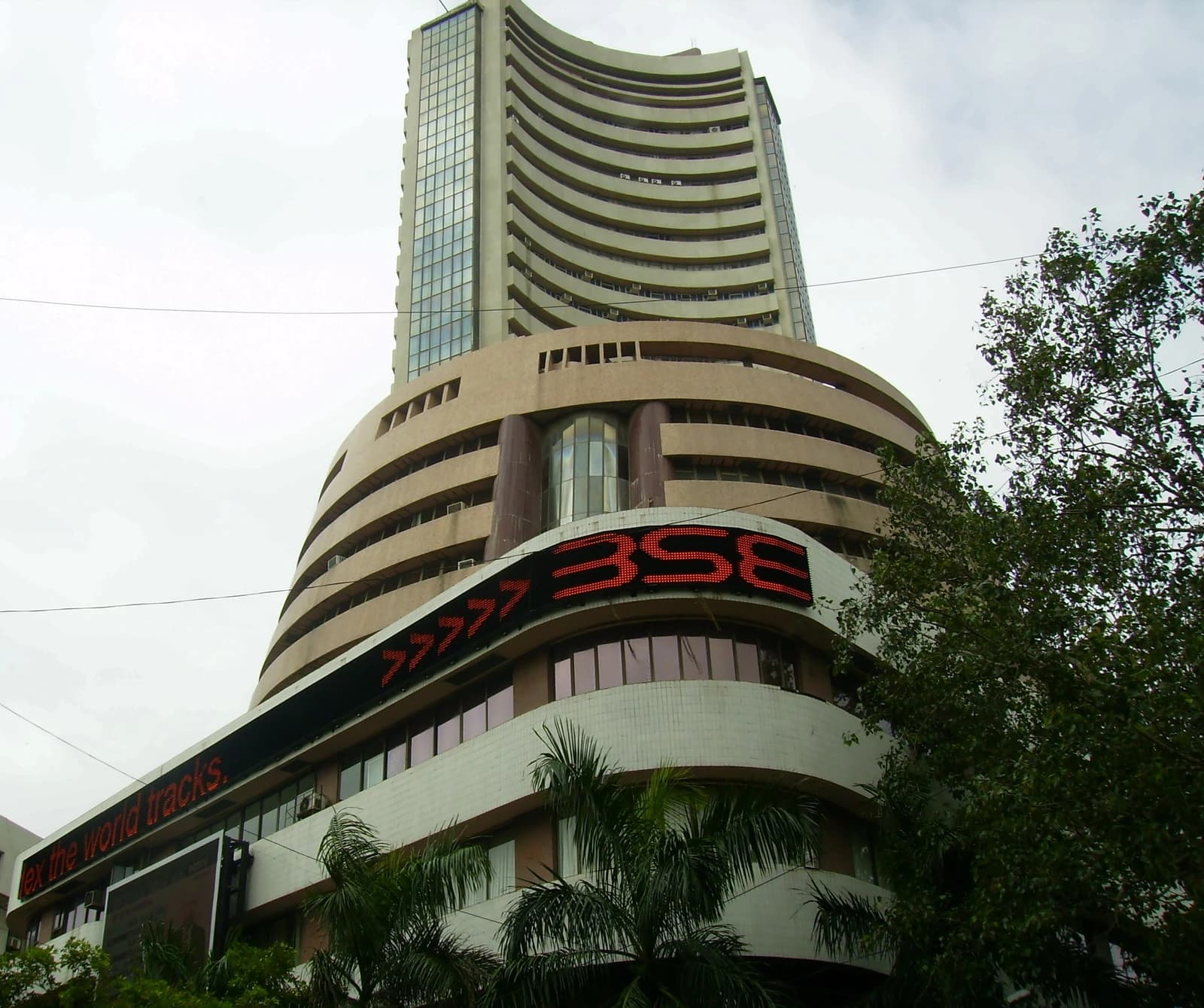
The Reserve Bank of India’s foreign-exchange reserves have climbed to $785.7 billion, making India the world’s fourth-largest reserve holder. That gives policymakers a bigger cushion against capital outflows, oil shocks and currency swings at a time when the dollar is gaining again on rising U.S. yields and expectations of tighter Federal Reserve policy. For investors, that is not just a macro headline — it is a signal that India has more firepower to defend the rupee and stabilize markets if global financial conditions worsen.
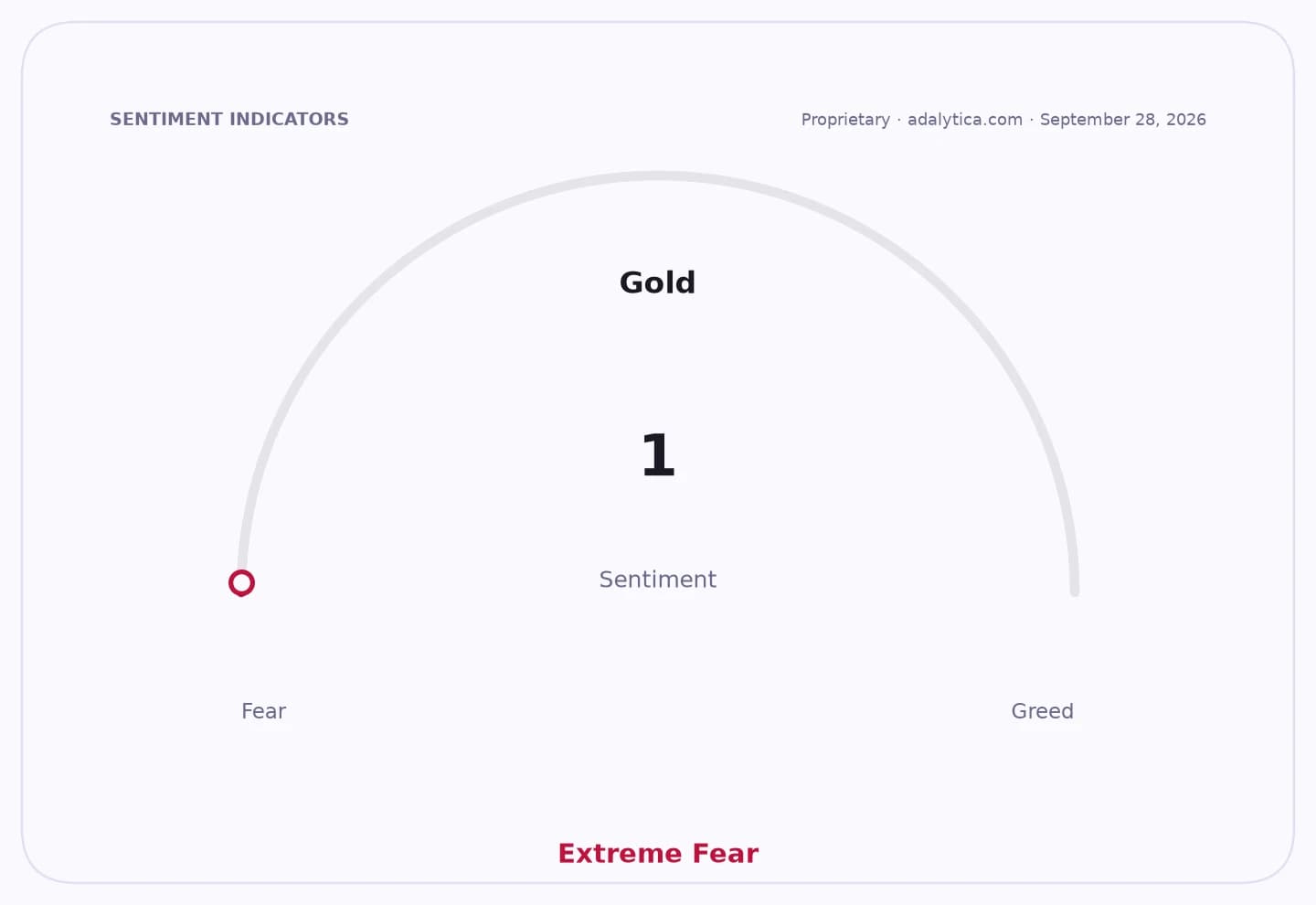
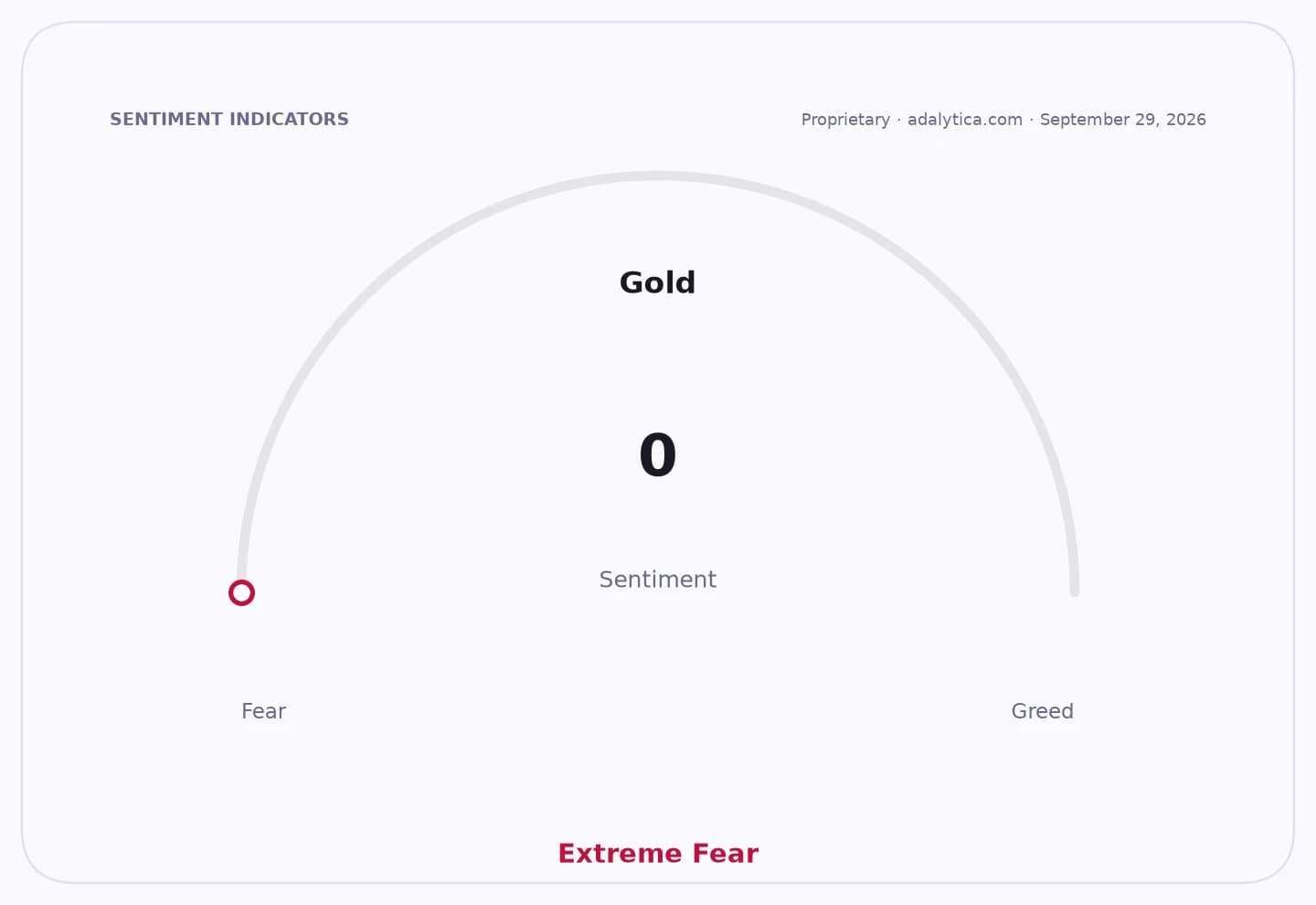
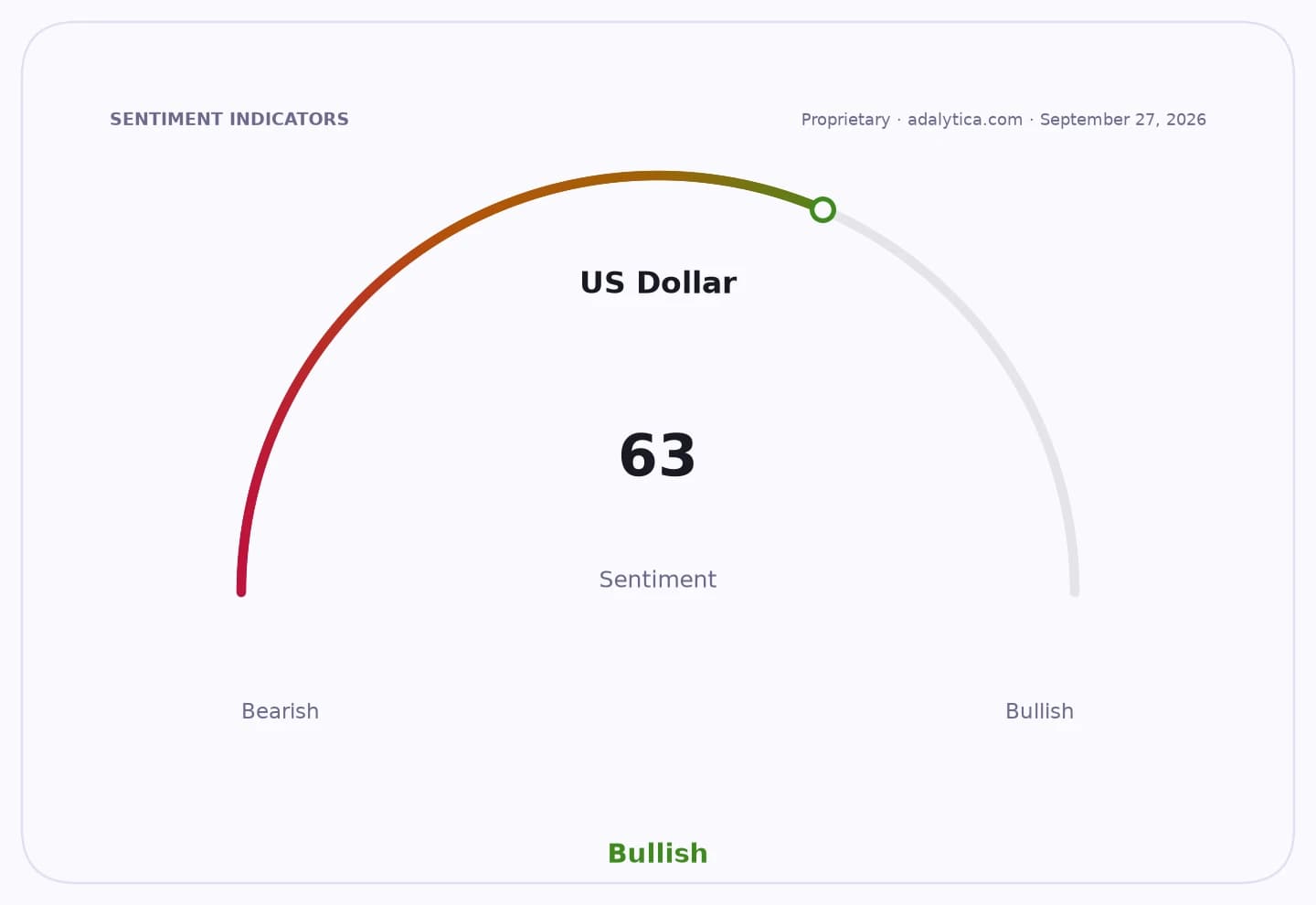
Sentiment IndicatorsⓘProprietary · adalytica.com · September 26, 2026
This is a snapshot — live sentiment, awareness and momentum for 130+ markets update continuously in the dashboard.Open AlphaPulse
The more surprising part of the story is the RBI’s balancing act. While China and some other central banks have been reducing dependence on the dollar and accumulating gold, India appears to be keeping a foot in both camps. That mix matters because it shows the RBI is not trying to make a political statement; it is trying to preserve optionality. Dollars still offer liquidity and day-to-day intervention power, while gold provides a store of value when trust in fiat assets comes under pressure.
That helps explain why gold has remained a strategic asset for central banks even as U.S. rates stay elevated. It also explains why the dollar’s recent rebound does not automatically end the deglobalization trade. If anything, it reinforces the case for diversification. The greenback’s strength can squeeze emerging-market currencies in the short term, but it also encourages reserve managers to think harder about concentration risk. India’s approach suggests the next stage of reserve management may be less about abandoning the dollar and more about reducing vulnerability to it.
For long-term investors, that has two implications. First, India’s large reserve buffer lowers tail risk for its economy, which is supportive for local equities, bonds and the rupee over time. Second, the gold theme is not going away. Central-bank buying remains a structural backstop for the metal, and that is one reason gold-related assets continue to deserve a place in diversified portfolios. U.S. dollar strength may pressure gold at times, but the strategic demand underneath it remains intact.
The broader narrative is simple: the world is not replacing the dollar overnight, but it is slowly building hedges against it. India’s RBI seems to understand that the smartest “master plan” is not choosing one side — it is accumulating the tools to stay resilient in either regime. For investors, that makes India worth watching and gold worth holding for the long term.
| Entity | Gains | Losses |
|---|---|---|
| RBI / India | ▲Reserve firepower, flexibility | ▼None immediately |
| Indian markets | ▲Stability, lower currency risk | ▼Less upside from a weaker reserve cushion |
| Gold | ▲Strategic central-bank demand | ▼Dollar strength in the short term |
| U.S. dollar | ▲Near-term yield support | ▼Long-term de-dollarization pressure |