The Reserve Bank of India is quietly tightening the screws on India’s money market while defending the rupee, a dual move that could help steady the currency and cool excess cash in the banking system.
RBI Intervenes to Support Rupee and Drain Liquidity
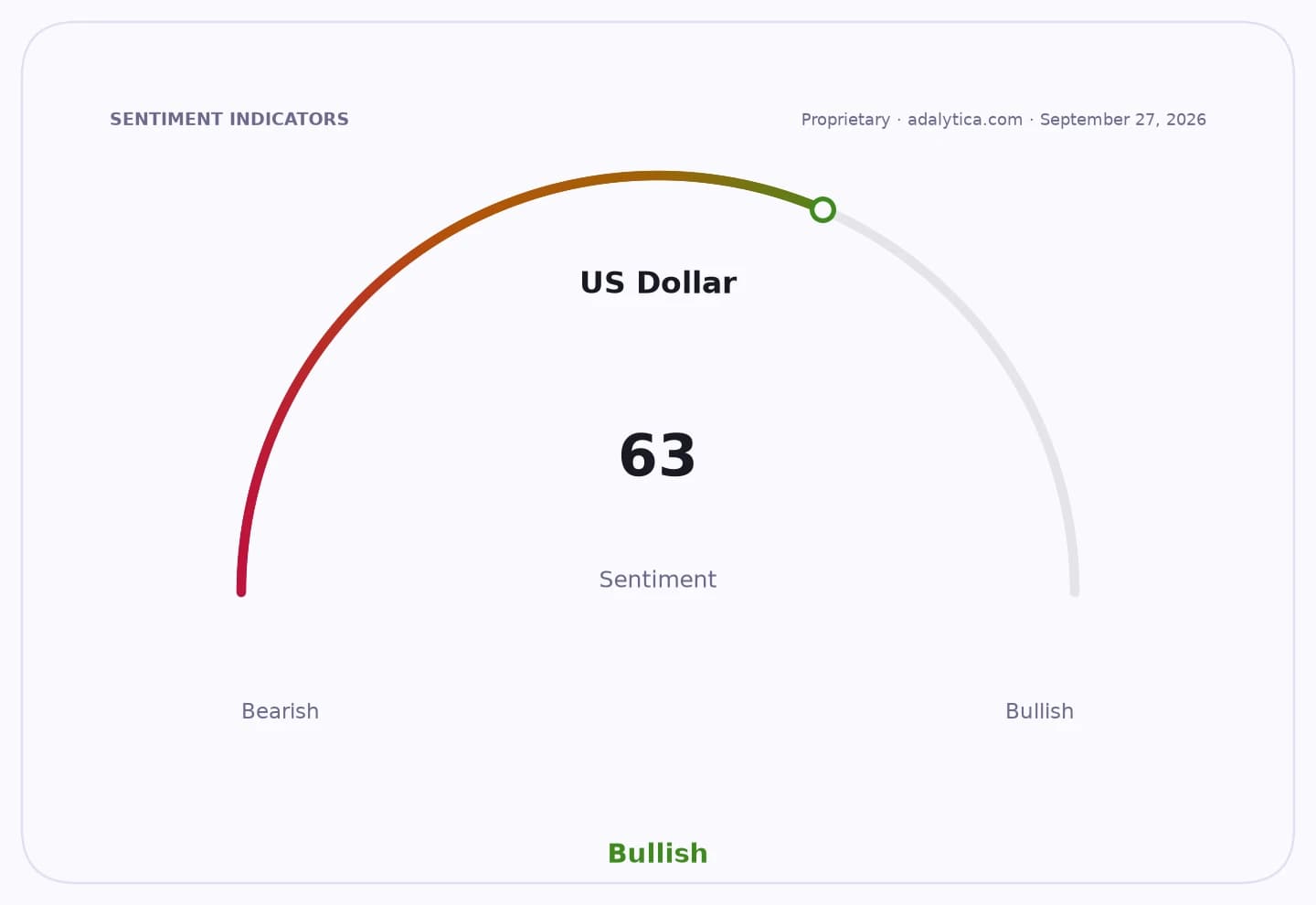
Five traders said the RBI likely intervened in the foreign-exchange market on Wednesday and that state-run banks were seen carrying out dollar/rupee sell-buy swaps, probably on the central bank’s behalf. The swaps are a classic liquidity-draining tool: the RBI sells dollars and later buys them back, soaking up rupee cash at a time when banking-system surplus liquidity remains elevated.
That matters because easy liquidity can weaken a currency by encouraging speculation and keeping short-term borrowing costs too low. By pulling rupees out of circulation, the RBI is making it more expensive for traders to lean against the currency and is giving the central bank more room to manage volatility without having to raise rates. For investors, that is a reminder that India’s currency policy is still being actively managed, not passively observed.
The rupee was at 95.7325 per dollar, down 0.1% from the previous close of 95.59, showing the RBI has not been trying to pin the currency to a precise level so much as smooth disorderly moves. Traders described the intervention as intermittent rather than a hard peg.
The larger backdrop is a central bank that has been leaning on multiple levers at once. Bankers said RBI operations through bond sales, FX swaps and rupee support have helped cut excess banking-system liquidity by more than half. Surplus liquidity stood at 4.44 trillion rupees, or about $46.38 billion, on Tuesday, the lowest in nearly four weeks and down 60% from a record 11.16 trillion rupees reached on Sept. 6.
For long-term investors, that combination is important because it speaks to the quality of India’s macro stabilization effort. A more orderly rupee can help limit imported inflation, especially when oil prices are volatile, and it can also support foreign portfolio sentiment by reducing one of the biggest annoyances in Indian markets: currency swings that eat into equity and bond returns for overseas buyers.
The policy mix also suggests the RBI is trying to preserve flexibility. It is not choosing between defending the currency and draining liquidity; it is doing both. That usually works best when the central bank wants to prevent a tightening of financial conditions from happening all at once.
For now, the key takeaway for investors is straightforward: India’s central bank is still willing to spend balance-sheet firepower to keep the rupee orderly, and that is generally supportive for domestic assets over a multi-year horizon. It is worth watching, especially for investors in Indian equities, local bonds and rupee-sensitive sectors such as energy and import-heavy businesses.
| Entity | Gains | Losses |
|---|---|---|
| RBI | ▲More currency control | ▼Less passive liquidity |
| Rupee bulls | ▲Smoother FX path | ▼Harder short bets |
| Indian banks | ▲Clearer money-market conditions | ▼Lower surplus cash |
| Importers / oil users | ▲Less FX volatility | ▼None if rupee weakens |